


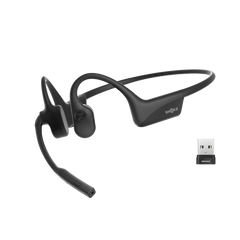
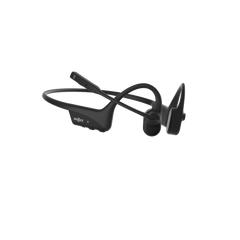



A real commute rarely looks like a single, steady environment. It's a walk to the station, a stretch standing or sitting on a train or bus, maybe a transfer, then a final walk to the office or home — repeated twice a day, most days of the week. That's a very different listening situation to a 45-minute workout, and yet most "best earbuds for commuting" guides just repeat gym-earbud advice with the word "commute" swapped in.
This guide takes commuting on its own terms: what actually changes across a typical journey, which features matter more (and less) than they do for a workout, and how different earbud designs hold up against that pattern.
Quick answer: for most commuters, comfort over long total wear time and awareness of your surroundings tend to matter more than they do for other earbud use cases. Open-ear designs are worth strong consideration for exactly those two reasons — more on why below.
What Makes Commuting Different From a Workout or a Gym Session
A few things set commuting apart, and they're worth naming before getting into what to look for.
- Total time, not session intensity. A commute might run 30 to 90 minutes each way, twice a day. Over a working week, that's often more cumulative wear time than most people spend on workouts.
- Multiple environments in one journey. Walking on a pavement, waiting on a platform with announcements playing overhead, sitting or standing on a moving train or bus, possibly changing lines or routes — all within a single trip.
- Variable noise, not constant noise. A gym has a fairly steady background hum. A commute swings between quiet stretches and sudden noise: doors closing, announcements, traffic at a crossing, a bus pulling in.
- A need for some awareness, not full isolation. Hearing your stop being called, a bus terminus announcement, or traffic while crossing a road isn't optional the way it might feel on a treadmill.
- Frequent calls and voice use. Checking in with family on the walk home, taking a work call from a platform, or joining a meeting while still in transit are all common parts of a commute in a way they rarely are during a workout.
Put together, these five points are why commuting earbuds deserve their own criteria, rather than borrowing directly from workout or general "best earbuds" advice.
What Commuters Should Actually Look For in Earbuds
Here's what we think matters most, specifically for the daily commute.
- All-day comfort. Since commuting involves long, cumulative wear rather than one intense session, comfort over time matters more here than it does for a 45-minute workout. Something that feels fine for twenty minutes needs to still feel fine an hour later.
- Stability without needing constant adjustment. This isn't quite the same as workout-grade security. What matters is not needing to reposition an earbud every time you shift on a train, lean to check a departure board, or walk briskly for a connection.
- Environmental awareness. Hearing platform announcements, your bus stop, or traffic while crossing a road is arguably more relevant to daily safety on a commute than it is in a gym.
- Call quality on the move. Clear calls while walking, standing on a platform, or waiting at a crossing, where background noise shifts constantly rather than staying steady.
- Battery life across a full day. Covering both commute legs, plus any listening during the working day itself, without needing a top-up partway through.
- Quick in-and-out use. Easy to put on and take off during transfers, at ticket barriers, or mid-conversation, without a fiddly case or controls that need a second hand to operate.
Comparing Earbud Designs for the Daily Commute
Different earbud formats handle this pattern differently. Here's how three common designs compare on commuting-specific terms.
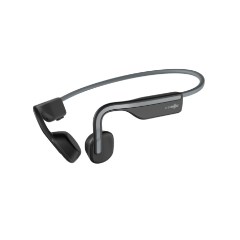
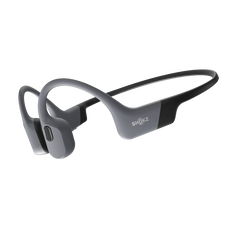
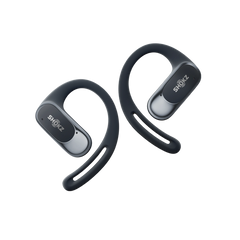
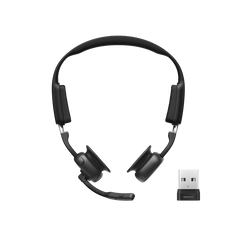
Sealed in-ear and ANC earbuds are a strong choice if blocking out a noisy carriage is your main priority, and they remain genuinely useful for many commuters. Over-ear headphones offer strong isolation too, but their size and warmth make them less practical for the walk-wait-ride-walk pattern most commutes involve. Open-ear ear hook designs tend to suit that specific pattern particularly well — comfortable enough for the full cumulative journey, aware enough to catch an announcement or your stop, and quick enough to put on and take off between transfers without breaking stride.
Different Commutes, Different Priorities
Not every commute looks the same, so it's worth matching earbud priorities to your specific journey.
Train and tube commuters. Longer stretches of seated or stationary listening, but with a real need to hear announcements and platform changes, especially at the start and end of the journey. Comfort over the full seated stretch matters most here, alongside enough awareness to catch your stop.
Bus commuters. More frequent stops, closer proximity to other passengers and street noise, and a stronger need to hear your stop being called or a driver's announcement. Awareness tends to matter throughout the journey rather than just at the edges.
Walking-heavy or mixed-mode commuters. Anyone with a significant walk to a station or between connections benefits most from road awareness and a stable, no-fuss fit that holds up whether you're walking briskly, standing on a platform, or making a quick transfer.
Across all three, open-ear designs tend to hold their advantage: comfort that doesn't fade over a long journey, and awareness that doesn't need to be switched on and off as you move between walking, waiting, and riding.
Where the OpenFit Air 2 Fits Into a Commuting Routine
Once you look at commuting through this lens — long cumulative wear, shifting environments, a genuine need for awareness — three things stand out as the areas where an open-ear ear hook design has the clearest edge, and where we focused most of our attention with the OpenFit Air 2.
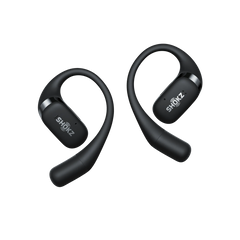
All-day comfort. Each earbud weighs just 7.2g, with a 0.75mm nickel-titanium alloy hook that flexes to fit rather than clamping down. With no eartip pressing into your ear canal, the fit holds up just as well on the way home as it did that morning.
Genuine awareness. Because OpenFit Air 2 doesn't seal the ear canal, you stay tuned in to platform announcements, your bus stop, or traffic at a crossing without removing an earbud or pausing your music — exactly the kind of awareness a mixed walk-wait-ride journey depends on.
Battery life that covers a full day. Up to 8 hours on a single charge and up to 36 hours with the charging case comfortably covers both commute legs plus any listening during the working day, with a 10-minute quick charge adding up to 3 hours if you're ever caught short. OpenFit Air 2 is available in Black, White, and Ice Blue for £129.


Open-ear designs do trade some isolation for awareness, so if blocking out a noisy carriage completely is your main priority, a sealed in-ear or ANC option may still suit part of your routine better.
FAQ
Are open-ear earbuds good for commuting on public transport?
Yes, for most commuters. Open-ear designs let you stay aware of announcements, your stop, and your surroundings, which suits the mix of walking, waiting, and riding that a typical commute involves.
Can I hear announcements and my stop with open-ear earbuds?
Generally, yes. Because open-ear earbuds don't seal the ear canal, platform and on-board announcements remain audible alongside your music or a call, without needing to pause anything or remove an earbud.
Are ear hook earbuds comfortable for all-day wear?
Ear hook, open-ear designs tend to hold up well over long cumulative wear, since there's no in-canal pressure. Weight also matters — lighter earbuds, like our 7.2g OpenFit Air 2, tend to stay comfortable across a full commute and beyond.
Do open-ear earbuds work well for taking calls while walking?
They can, particularly with dual microphones and noise reduction designed for exactly this kind of intermittent, on-the-move use — a platform, a crossing, or a walk between stations.
What should I look for in earbuds for a daily commute?
As a quick checklist: all-day comfort, a stable fit that doesn't need constant adjusting, environmental awareness, clear calls in variable noise, battery life that covers a full day, and quick, easy in-and-out use during transfers.
Are open-ear earbuds noisy for people sitting near me?
Open-ear earbuds are designed to direct sound toward your ear rather than outward, with technology like DirectPitch built to reduce sound leakage. At normal listening volumes, they shouldn't be noticeably audible to someone sitting next to you.
The Bottom Line
Commuting is its own listening situation — long cumulative wear, several environments in a single journey, and a genuine need to stay aware rather than fully shut out the world. Open-ear ear hook earbuds tend to suit that pattern particularly well, which is exactly why we built OpenFit Air 2 around comfort, stability, and awareness rather than isolation. Whether your journey is mostly train, mostly bus, or a fair amount of walking in between, it's worth choosing earbuds for the commute you actually have, not the workout you had last.