

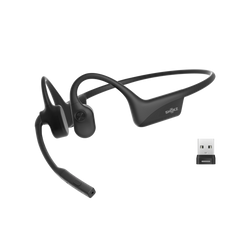
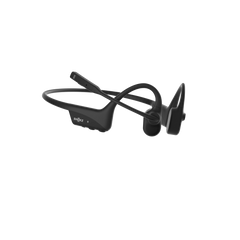

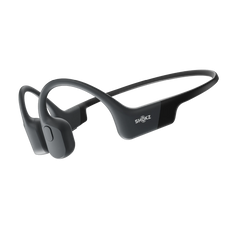

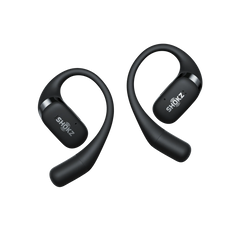


Cycling asks something different of your earbuds than running or the gym ever does. At speed, wind is a constant presence rather than an occasional gust. A helmet strap sits close to your ears for the whole ride, glasses arms often run along the same stretch of skin, and a session can easily last an hour or two rather than twenty minutes on a treadmill. Earbuds that felt perfectly secure on a run don't always hold up once you're actually out on a bike.
This guide looks at what cyclists genuinely need from their earbuds, compares the main earbud designs on cycling-specific terms, and gives you a practical, balanced view of where open-ear ear hook earbuds fit into that picture.
Quick answer: for most cyclists, open-ear ear hook earbuds tend to offer the best mix of stability, helmet compatibility, and road awareness — though the right choice still depends on whether you're commuting, road cycling, or riding for leisure.
How Choosing Earbuds for Cycling Is Different
A few things set cycling apart from other activities, and they're worth naming upfront because they shape almost every decision later in this guide.
- Constant airflow. Running produces occasional wind exposure; cycling produces sustained wind across your ears for the entire ride, which can affect both comfort and how earbuds handle noise.
- A helmet is already in the picture. Helmet straps typically run just in front of or around the ear, and helmet pads can sit close to the same area. Earbuds need to coexist with that setup rather than compete with it.
- Glasses are common too. Many cyclists wear glasses or sunglasses, whose arms occupy the same real estate behind the ear as an earbud hook.
- Rides last longer. Even a casual leisure ride often runs past an hour, and a longer sportive or road ride can mean several hours in the saddle — far longer than most gym sessions.
- Awareness is a safety issue, not a preference. On shared roads and paths, hearing traffic, pedestrians, and other cyclists isn't just convenient — it's part of riding safely.
These five factors are why cycling earbuds deserve their own set of criteria, rather than borrowing directly from a running or gym-focused list.
What to Look For in Cycling Earbuds
Here's what we think matters most when choosing earbuds specifically for cycling.
- Secure fit at speed. Vibration from the road, sudden braking, and constant head movement all put more strain on a fit than steady-paced activities do. Look for a hook that holds its position under these conditions, not just during a quick shake test.
- Awareness of surroundings. On shared roads, hearing what's happening around you matters more than in a gym. Open designs that don't seal the ear canal tend to preserve this far better than fully sealed earbuds.
- Wind noise handling. Sustained airflow across the ear can affect both call quality and how pleasant your music sounds at speed. Earbud shape and microphone placement both play a role here.
- Long-ride comfort. After 60, 90, or 120+ minutes, small pressure points that were unnoticeable at first can become genuinely uncomfortable. This is especially relevant for anyone doing longer sportives or weekend club rides.
- Sweat and weather resistance. Relevant twice over for UK cyclists — summer effort on warm days, and being caught in unexpected rain on a commute. A proper IP rating covers both.
- Ease of control. Being able to operate buttons with cycling gloves on, without needing to stop or take a hand off the bars for long, is a genuinely practical concern that other workouts rarely raise.
- Compatibility with helmets and glasses. The earbud or hook shouldn't conflict with a helmet strap, helmet pads, or glasses arms. This is one of the most cycling-specific considerations on this list, and one that's easy to overlook until you're already on the road.
Ear Hook vs In-Ear vs Open-Ear: What Works for Cycling
Earbud design affects all seven factors above, so it's worth comparing the main formats directly on cycling-specific terms.
The mechanics explain why: an ear hook that only has to hold an earbud in position, rather than also maintaining an in-canal seal, has one job instead of two. That tends to make open-ear ear hook designs more consistent under the vibration, wind, and multi-hour duration that cycling introduces. Fit still varies by individual head shape and helmet, so it's worth testing your specific setup rather than assuming any design will work universally.
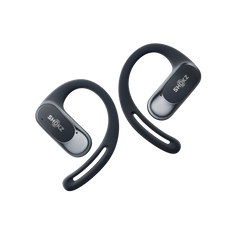
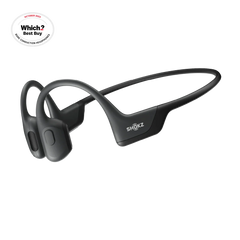
If you're looking for an earbud built around exactly this kind of fit, it's worth seeing how the principles above translate into an actual product — which is where our OpenFit Air 2 comes in.


Where Open-Ear Earbuds Excel
It's worth being upfront about trade-offs, since cyclists tend to research gear carefully before trusting it at speed in traffic.
Where open-ear designs excel:
-
Road and traffic awareness, which matters more on a bike than almost any other activity
-
All-day comfort on longer rides, since there's no in-canal pressure to build up over time
-
Coexisting reasonably well with helmets and glasses, thanks to hooks that sit around rather than inside the ear
-
No canal fatigue, even across multi-hour sportives or long commutes
For anything on open roads or shared paths, open-ear tends to remain the more practical and safety-conscious default. For a fully indoor session with no traffic to hear, the choice comes down more to personal preference.
FAQ
Are open-ear earbuds safe for cycling on roads?
Open-ear designs are generally considered a safer option for road cycling, since they let you hear traffic, pedestrians, and other cyclists rather than sealing off your ear canal the way standard in-ear buds do.
Do ear hook earbuds work with a cycling helmet?
Slim, flexible ear hooks tend to coexist well with most helmet straps and pads, since they sit around the ear rather than adding bulk directly underneath a strap. It's still worth trying your specific helmet and earbuds together before a long ride, since fit can vary by head shape and helmet model.
Will earbuds fit under a helmet with cycling glasses as well?
It depends on how slim the hook is. A bulkier hook combined with glasses arms in the same area can create a pressure point, so a low-profile, flexible design is generally the more comfortable choice when you're wearing both.
Do open-ear earbuds have a lot of wind noise at speed?
Some wind noise is still possible on any earbud at higher speeds, open-ear included. Earbud shape and microphone placement both influence how noticeable it is, particularly for calls.
What should I check before buying cycling earbuds?
As a quick checklist: a secure fit that holds under vibration, genuine road awareness, sensible wind noise handling, comfort over long rides, a proper IP rating for sweat and rain, glove-friendly controls, and confirmed compatibility with your helmet and glasses.
The Bottom Line
Cycling puts different demands on earbuds than running or general workouts — constant wind, a helmet and possibly glasses already in place, longer sessions, and a genuine need to hear the road around you. Open-ear ear hook earbuds tend to answer most of those demands well, particularly when it comes to awareness and all-day comfort. As with any gear you'll wear at speed, it's worth trying your specific setup — helmet, glasses, and earbuds together — before committing to a long ride.