





You're four kilometres into your run. You've just reached down to push an earbud back into place for the third time, and your rhythm is gone. If that sounds familiar, you're not alone — it's one of the most common frustrations runners tell us about, and it's usually the earbud design that's working against you, not your ears.
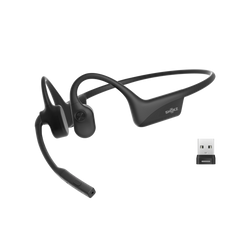
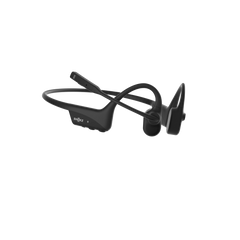
In this guide, we'll walk through what actually keeps earbuds secure during a run, compare the main earbud designs, and show where our own open-ear ear hook earbuds — the OpenFit Air 2 — fit into that picture.
Quick answer: if you're short on time, ear hook, open-ear earbuds are generally the most secure and comfortable option for most runners, because the weight is anchored over the ear instead of relying on a seal inside the canal. Jump to Section 5 to see how our OpenFit Air 2 stacks up.
Why Do Earbuds Keep Falling Out When You Run?
Running puts earbuds under a kind of stress that walking or sitting at a desk never will. Every footstrike sends a small shockwave up through your body, your jaw moves as you breathe harder, and sweat starts to reduce the natural grip your skin normally provides. Add in a standard silicone eartip designed for one generic ear shape, and it's no surprise things start to slip.
This is exactly the problem an ear hook design is built to solve. Instead of relying on friction inside the ear canal to keep an earbud in place, an ear hook anchors the earbud around the top of the ear, distributing weight differently and staying stable even when you're moving fast or turning your head. That's why so many runners who've given up on standard in-ear buds end up trying an ear hook design next.
What Runners Actually Need From Ear Hook Earbuds
Not all ear hook earbuds are built the same way, and not every "secure fit" claim holds up once you're actually sweating through a tempo run. Here's what we think matters most — and it's the same checklist worth running through when you compare any pair of running earbuds, including our own.
- Secure fit. Look for a hook that flexes rather than one rigid shape, so it can adapt to your ear instead of fighting against it. Weight matters too — the heavier an earbud is, the more it pulls against the hook with every stride, so lighter designs generally hold more consistently at pace.
- Long-term comfort. A fit that feels fine for the first ten minutes can start to dig in or trap heat by the time you're past the 45-minute mark. Look for materials and hook shapes designed to reduce pressure points, especially if you're training for anything longer than a 5K.
- Resistance to movement and sweat. This comes down to two things: how the hook physically holds up at speed, and whether the earbuds carry a genuine IP rating for sweat and water resistance. An IP55 rating, for example, means the earbuds are protected against dust and low-pressure water jets — including sweat and rain — which is a meaningful spec for anyone training outdoors in unpredictable weather.
- Environmental awareness. If you run on roads, towpaths, or shared paths, being able to hear traffic, cyclists, and other runners isn't optional. This is one of the clearest advantages of an open-ear design over anything that seals the canal.
- Ease of control. Sweaty fingers and gloves don't always get along with touch controls. Physical, pressure-sensitive buttons tend to be easier to use reliably mid-run, particularly in colder months.
- Reliable everyday performance. The best running earbuds shouldn't be single-purpose. Battery life, stable Bluetooth connection, and decent call quality all matter if you're also using them for commuting, the gym, or everyday listening.
Ear Hook vs In-Ear vs Open-Ear: Which Design Actually Stays Put?
There are really three earbud shapes runners tend to choose between, and each behaves differently once you start moving.
Regular in-ear earbuds are the most common starting point for most people, but they're also the most likely to loosen mid-run, since they depend entirely on the eartip's seal against your ear canal. Once sweat gets involved, that seal is often the first thing to go.
Ear hook in-ear earbuds add a hook for extra stability while keeping the in-canal seal. This is a genuine improvement in security, but the earbud is still doing two jobs at once — sealing the canal and staying anchored — which is more than the hook needs to manage.
Ear hook open-ear earbuds take a different approach entirely. There's no seal to maintain, so the hook's only job is to keep the earbud positioned correctly, which tends to make the fit more consistent, more comfortable over time, and easier to forget you're wearing at all.
Why Runners Are Choosing Open-Ear Ear Hook Earbuds
Once you understand what an open-ear design is actually doing — sitting just outside the ear canal instead of sealing it — the benefits for running become fairly clear.

Comfort that holds up over distance. Because there's no eartip pressing into your ear canal, there's nothing to cause the ear fatigue or ache that in-ear designs can produce over a long run. This matters most on longer efforts: a half marathon or marathon training block where you might be wearing earbuds for 90 minutes or more.
Awareness that keeps you safer outdoors. For anyone running on roads, shared paths, or trails, hearing your surroundings isn't a nice-to-have. Open-ear designs let sound reach your ears naturally alongside your music, so you can hear approaching traffic, cyclists, or other runners without having to remove an earbud.
A more forgiving fit across different run types.
- Short runs and parkrun-style 5Ks: you want something you can put on quickly and forget about — an open-ear fit doesn't need adjusting once it's positioned correctly.
- Long-distance training: comfort over time becomes the priority, and the lack of in-canal pressure is where open-ear designs pull ahead.
- Treadmill sessions: less need for outside awareness here, but sweat resistance and a cable-free feel still matter, and open-ear buds tend to stay light and unobtrusive through intervals.
- Outdoor running in changeable weather: a proper IP rating and buttons that still work with cold or wet fingers make a real difference on the kind of grey, drizzly run that's hard to avoid for much of the year.
This is the exact set of needs we designed our OpenFit Air 2 around.
Where Our OpenFit Air 2 Fits In
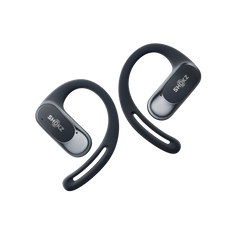
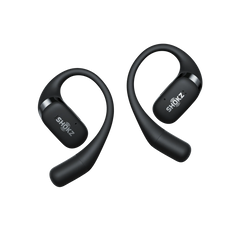
We built the OpenFit Air 2 as an open-ear, ear hook earbud specifically for people who move — runners, gym-goers, and anyone who's given up on earbuds that don't survive a workout. Here's how it lines up against the criteria we laid out earlier.

Secure fit and comfort. Each earbud weighs just 7.2g, and the hook itself uses a 0.75mm nickel-titanium alloy frame that flexes to your ear rather than clamping down on it. That combination of low weight and a flexible hook is what keeps the fit steady without it ever feeling heavy or intrusive during a run.
Resistance to sweat and weather. The earbuds carry an IP55 rating, which covers sweat, splashes, and light rain — the kind of protection you actually need for outdoor training through a typical UK autumn or winter.
Environmental awareness. Because OpenFit Air 2 is an open-ear design, it doesn't block your ear canal, so you stay aware of traffic and your surroundings while you run. One UK reviewer testing the OpenFit Air 2 on a hike noted that they let you keep some awareness of sounds around you, while also describing the fit as comfortable and secure.
Ease of control. We moved away from touch controls on this model and use pressure-sensitive buttons instead, which register reliably even with sweaty fingers or gloves, and reduce the accidental taps that touch controls are prone to during a workout.


Best for: runners who want a light, all-day-comfortable earbud for everything from a quick 5K to marathon training, and who'd rather hear the world around them than block it out. OpenFit Air 2 is available in Black, White, and Ice Blue for £129.
FAQ
Do ear hook earbuds stay in better than regular earbuds when running?
Generally, yes. Because the hook anchors the earbud around your ear rather than relying on an in-canal seal, ear hook designs — especially open-ear ones — tend to stay more stable through footstrikes, sweat, and jaw movement.
Are open-ear earbuds safe for running outdoors?
Open-ear designs are often considered a safer choice for outdoor running because they let you hear traffic, cyclists, and other people around you, rather than sealing off your ear canal the way standard in-ear buds do.
Are ear hook earbuds comfortable for long runs?
Open-ear ear hook earbuds tend to hold up well over longer distances, since there's no eartip creating pressure inside your ear canal. Weight matters here too — lighter earbuds, like our 7.2g OpenFit Air 2, are generally more comfortable to wear for 90 minutes or longer.
What IP rating do I need for running earbuds?
Look for at least an IP54 or IP55 rating if you run regularly, especially outdoors. An IP55 rating means the earbuds are protected against dust and low-pressure water jets, which covers sweat and rain.
Are the OpenFit Air 2 good for running in the rain?
Yes. The IP55 rating on OpenFit Air 2 covers both sweat and light rain, and the pressure-sensitive buttons continue to work reliably even when your hands are wet or gloved.
The Bottom Line
The right running earbud isn't about chasing the most features — it's about matching the design to how and where you actually run. If you want a fit that stays put without sealing off the world around you, an open-ear ear hook design is worth trying. We built the OpenFit Air 2 to be exactly that: light, secure, weather-ready, and comfortable enough to forget you're wearing it — whether you're three kilometres in or thirty.