



Choosing the best headphones for music isn't as simple as it used to be. These days, we rarely just sit down and listen. In fact, music plays in the background of everyday life. It's there on the morning commute, during work hours, on walks, at the gym, and while ticking off daily tasks. Because of that, what people expect from a good pair of headphones has quietly changed.
Sound quality still matters, of course. But comfort, awareness, and how headphones fit into real life matter just as much. Many listeners are starting to question whether blocking out the world completely is actually the best way to enjoy music, especially if you're wearing headphones for hours at a time.
We'll explore what to look for in the best headphones for music today. We'll also have a look at why open-ear designs are becoming a popular choice for everyday listening.
What Really Makes a Pair of Headphones Great for Music?
Before you start comparing models or worrying about specs, it's worth stepping back for a moment. Most of us believe that the best headphones for music are about impressive numbers on a product page. The truth is a bit different – they're about how music actually feels when you listen to it day after day.
For some people, that means studio-level detail. For others, it's comfort, convenience, or the freedom to listen wirelessly without thinking about it. The key is finding the right balance.
Sound Quality That Feels Right, Not Forced
When people talk about the best headphones for music quality, they're usually chasing clarity with crisp highs, full mids, and bass that has depth without overpowering everything else. Good sound should feel natural and well-balanced, not overly boosted or fatiguing.
This matters even more if you listen to a mix of genres. Podcasts, acoustic tracks, pop playlists, and electronic music each benefit from headphones that handle detail and dynamics smoothly, rather than just pushing volume.
Comfort Matters More Than You Think
Even the best-sounding headphones won't get much use if they're uncomfortable. If you listen for long stretches, during work, on the commute, or throughout the day, pressure, heat, or ear fatigue can quickly become a deal-breaker.
This is where many people start rethinking traditional designs and exploring alternatives, especially if they're looking for wireless headphones for music that can be worn comfortably for hours at a time.
Awareness Is Part of Modern Listening
Not everyone wants to be completely cut off from the world while listening to music. For UK runners, commuters, walkers, and cyclists, awareness is practical and often safer.
Being able to hear traffic, announcements, or a quick conversation without removing your headphones makes a big difference in everyday use. It's one of the reasons open and open-style designs are becoming more popular for music listening outside the home.
Everyday Features That Actually Get Used
Music headphones today handle way more than simply playing music. Taking calls, switching tracks, adjusting volume, or pausing quickly should feel effortless. Clear call quality and intuitive controls definitely aren't "extras," as these features have become a staple that makes a pair of headphones genuinely good for everyday listening and use.
These small details often shape the overall experience more than you expect, no matter if you're choosing premium headphones or the best budget headphones for music.
How We Actually Listen to Music Now
Once you start thinking about how you listen to music, the idea of "perfect" headphones shifts a bit. Most of us aren't sitting still, analysing every note. We're listening while walking to work, replying to messages, cooking dinner, or squeezing in a quick workout. Music fits around life and not the other way around. And that's exactly why more people are questioning whether traditional headphones are still the best option for everyday listening. This shift has quietly opened the door to a different way of consuming music.

Why Open-Ear Headphones Are Gaining Popularity for Music
Open-ear headphones are becoming more popular not because people care less about sound quality, but because they care more about balance. Instead of sealing your ears completely, open-ear designs sit just outside the ear and direct sound towards it. The result is a listening experience that feels lighter, more natural, and far less isolating.
Music That Fits Into Your Day
One of the biggest appeals of open-ear headphones is how easily they blend into everyday life. You can enjoy your favourite tracks while still hearing what's going on around you, whether that's traffic, a colleague speaking, or an announcement on the train. For many listeners, this feels like a more relaxed and realistic way to enjoy music, especially if headphones are on for hours rather than minutes.
Comfort You Don't Have to Think About
Because open-ear headphones don't sit inside the ear canal, there's less pressure, less heat, and less fatigue over time. If you've ever taken earbuds out mid-day just to give your ears a break, you'll understand why comfort is becoming a deciding factor, even when people are searching for the best headphones for music listening.
Sound Quality Has Come a Long Way
Early open designs often meant sacrificing depth or detail. Fortunately, that's no longer the case. Advances in acoustic engineering mean modern open-ear headphones can deliver clear vocals, detailed mids, and surprisingly full bass without blocking your ears. For listeners who want great sound and awareness, open-ear headphones are no longer a compromise. They're simply a different and increasingly popular choice.
Comparing Some of the Best Headphones for Music in 2026
When it comes to picking headphones for music, the options can feel endless. From wired over-ear classics to wireless earbuds and open-ear designs, each style has its strengths. Let's have a look at a few popular models that consistently get great reviews, and see how they stack up for everyday listening.
1. Shokz OpenFit Pro
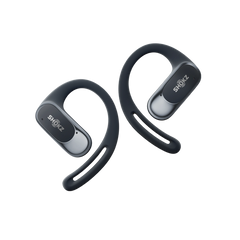
Not all great music headphones seal you off from the world, and that's where Shokz OpenFit Pro shines. These open-ear earbuds deliver impressive sound while keeping your ears free, making them perfect for everyday listening – from work to walks, or casual workouts.
- Type: Open-ear true wireless
- Battery life: Up to 50 hours (10 hours per charge plus 40 hours with charging case)
- Special features: Shokz SuperBoost™ audio, Dolby Atmos support, open-ear noise reduction, AI-enhanced calls, 10-min quick charge for 4 hours of playtime, IP55 waterproof
- Why it's great: If you want immersive music without potentially dangerous isolation, these are among the most comfortable, practical options on the market


2. Sony WH-1000XM5
Sony's WH-1000XM5 headphones are widely praised for their combination of comfort, battery life, and good noise-cancelling performance. If you're looking for that "plugged-in" experience, these over-ear wireless headphones deliver.
- Type: Over-ear, wireless
- Battery life: Up to 30 hours
- Special features: Industry-leading noise cancellation, adaptive sound control, touch controls
- Why it's great: Perfect for flights, focused work sessions, or anyone who wants to block out distractions while listening to music
3. Bose QuietComfort Earbuds II
Bose has long been known for delivering clear, balanced audio, and these earbuds continue that tradition. They're a strong option if you want compact, wireless earbuds with excellent ANC.
- Type: In-ear, wireless
- Battery life: Up to 6 hours per charge (18 hours with case)
- Special features: Adjustable active noise cancelling, IPX4 sweat resistance, simple touch controls
- Why it's great: Small and portable, ideal for commuting or exercising while still enjoying premium sound quality
4. Sennheiser Momentum 4 Wireless
Sennheiser's Momentum 4 headphones focus on audiophile-level sound in a comfortable, modern package. They excel for anyone who wants a big, balanced soundstage and deep bass without feeling muddy.
- Type: Over-ear, wireless
- Battery life: Up to 60 hours
- Special features: Adaptive noise cancellation, premium build, deep, balanced sound
- Why it's great: Ideal for long listening sessions at home or in quiet environments where isolation isn't a problem
|
Headphones |
Type |
Battery Life |
Key Features |
Best For |
|
Shokz OpenFit Pro |
Open-ear, true wireless |
10 + 40 hours |
Shokz SuperBoost™, Dolby Atmos, AI calls, open-ear design, IP55 |
Everyday listening, running, safe commuting, long-term comfort |
|
Sony WH-1000XM5 |
Over-ear, wireless |
Up to 30 hours |
Noise cancelling, adaptive sound, touch controls |
Flights, focused work, blocking distractions |
|
Bose QuietComfort Earbuds II |
In-ear, wireless |
6 + 18 hours |
Adjustable ANC, IPX4, touch controls |
Commuting, exercising, portable use |
|
Sennheiser Momentum 4 Wireless |
Over-ear, wireless |
Up to 60 hours |
Adaptive ANC, balanced sound, premium build |
Home listening, audiophile experience |
Are Open-Ear Headphones Better for Music?
The answer depends on what "better" means to you. If your goal is total isolation and studio-style listening in a quiet room, traditional closed-back or in-ear headphones still make sense.
But if music is part of your daily routine, something you enjoy alongside work, movement, or social interaction, open-ear headphones often feel more natural and more comfortable long-term. This is especially true for people choosing wireless headphones for music, where freedom of movement and ease of use matter just as much as sound quality.
Choosing Headphones That Fit Your Life
The truth is, there's no single "perfect" pair of headphones for everyone. The best headphones for music are the ones that fit how you actually listen, and not just what looks good on a spec sheet. If you spend most of your time listening at a desk or on long journeys, sound isolation and battery life might be what's most important to you. If you're always on the move, then comfort, wireless freedom, and ease of use can quickly become as important as audio performance.
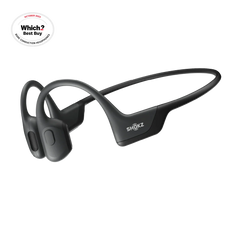
While all the models we've listed are excellent, Shokz OpenFit Pro headphones are designed around real life. They let you enjoy music without tuning everything else out. For many listeners, the balance between sound quality, comfort, and awareness ends up feeling more practical and enjoyable in the long run.

Frequently Asked Questions
1. What are the best headphones for music listening?
The best headphones for music depend on how and where you listen. If you want immersive sound at home, traditional designs may suit you. For everyday listening, commuting, or long wear, open-ear headphones offer a strong balance of comfort, awareness, and sound quality.
2. Are open-back or closed-back headphones better for music?
Open-back headphones create a wider, more natural soundstage but leak sound and offer little isolation. Closed-back headphones provide stronger isolation and punchier bass. Open-ear headphones take a different approach by keeping your ears open while delivering directed sound.
3. Which headphones offer the best sound quality?
Sound quality depends on tuning, drivers, and design rather than on one specific style. Today's premium open-ear headphones can deliver excellent clarity and balance, especially for everyday music listening.
4. Wireless headphones vs wired for music listening, which is better?
Wired headphones still appeal to purists, but wireless headphones have improved significantly. Modern wireless models offer stable connections, long battery life, and sound quality that's more than good enough for most listeners.