





- Why More People Are Listening While Walking
- What Makes a Great Pair of Walking Headphones
- Why Awareness Matters When Walking
- Open-Ear vs Noise-Cancelling Headphones for Walking
- Best Open-Ear Headphones for Walking
- Find the Right Walking Headphones for Your Commute
- FAQs
There's something quietly brilliant about walking to work. No packed trains, no signal delays, just you, the pavement, and a decent playlist or podcast to keep you company. That's if you've got the right pair of walking headphones. It's no wonder walking has become one of the most popular ways to start the day, whether it's a full commute or just making the journey from the station.
But if you've ever tried walking through a UK city centre with big over-ear headphones clamped to your skull, blasting out your morning motivation playlist, you'll know it's not always the relaxing experience it should be. Between traffic, cyclists, and the general chaos of rush hour, the wrong pair of headphones can turn a peaceful walk into a genuinely risky one. So, what actually makes a great pair of walking headphones? Let's get into it.

Why More People Are Listening While Walking
More people are choosing to walk to work, and it's not hard to see why. It's free, it's good for your health, and after a few years of everyone rethinking their relationship with commuting, it's become a genuine lifestyle choice rather than just something you do when the bus doesn't turn up.
For a lot of people, the audio side of things is what makes the walk worth it. A podcast turns a boring stretch of pavement into "me time." A good playlist can make even the dullest high street feel like a music video. And for busy Londoners (or Mancunians, or Bristolians, take your pick), that walk is often the only pocket of the day that's actually theirs.
The catch is that most headphones were designed for the gym or the sofa, not for navigating pelican crossings and cycle lanes. That's why the search for the best headphones for walking has become its own little category. People want the audio experience, but not at the cost of paying attention to the world around them.
What Makes a Great Pair of Walking Headphones
Not all headphones are built for daily commutes on foot. A great pair for walking needs to tick a few boxes that gym headphones or home headphones simply don't have to worry about:
- Comfort for the long haul – even a 20-minute walk twice a day adds up. Anything that pinches, presses, or slips after ten minutes is going to annoy you by Wednesday.
- Weather resistance – this is the UK. It will rain when you least expect it. A decent sweat and splash resistance rating is essential.
- Battery life that matches your routine – nobody wants to charge their headphones every single night. If you're doing a return commute plus using them at your desk, you want battery life measured in days, not hours.
- Secure fit – nothing ruins a good walk like fishing an earbud out of a puddle because it fell out somewhere near the traffic lights.
- Awareness – arguably the most important of all, and the reason open-ear design keeps coming up. Which brings us to the next point.
Why Awareness Matters When Walking
This is the bit that often gets overlooked. Walking headphones are as much about sound quality as they are about staying safe while you enjoy that sound.
Traditional in-ear or over-ear headphones seal off your ear canal, which is precisely what you want at the gym, but genuinely risky on a busy pavement. Being able to hear an approaching cyclist, a car, or someone shouting "watch out" behind you isn't a small thing. Road safety charities have long flagged that headphones blocking out ambient noise is a real factor in pedestrian accidents, particularly at junctions and crossings.
That's why open-ear headphones for walking have become such a popular choice for commuters. Instead of sealing the ear canal, they sit outside or beside the ear, letting music and ambient sound blend. You still get your podcast, your playlist, or your calls, but you also hear the bus pulling in, the cyclist behind you, or your name being called across the street. For headphones for walking in traffic specifically, this kind of design is genuinely safer.

Open-Ear vs Noise-Cancelling Headphones for Walking
Noise-cancelling headphones get a lot of love, and fairly so, as they're brilliant for flights, open-plan offices, and blocking out a noisy train carriage. But "great for blocking out the world" is precisely the problem when the world includes moving traffic.
Here's the honest comparison:
Noise-cancelling headphones actively cancel outside sound, which is fantastic for focus but means you're walking through the city partially deaf to it. Great for a quiet commute on a train. Not so great for the walk to the platform.
Open-ear headphones leave your ear canal free, and let ambient sound in naturally alongside your audio. You lose a bit of that "in a bubble" isolation, but you gain the ability to actually hear your surroundings without having to pause your music or pull an earbud out every time you cross a road. If your daily commute involves any amount of foot traffic, road crossings, or cycle lanes, open-ear is generally the safer, more practical pick.
Best Open-Ear Headphones for Walking
If you're sold on the open-ear route, here are two options worth knowing about.
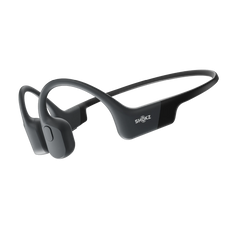
Shokz OpenDots 2
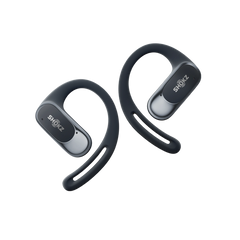
If you want something that barely feels like you're wearing headphones at all, the Shokz OpenDots 2 is worth a look. The clip-on design sits neatly around your ear rather than jamming into it, so there's no in-ear pressure to deal with on longer walks. Shokz JointArc™ technology keeps them snug and secure even if you're power-walking to catch a bus. And because the left and right earbuds are interchangeable, there's no fumbling about trying to work out which one goes where when you're rushing out the door.


Sound-wise, it's detail-rich with Dolby Audio support, so your Monday morning playlist or true-crime podcast still sounds properly good, not tinny. With up to 40 hours of combined playtime between the earbuds and case, you're not going to be caught out mid-week with a dead battery. And with fast wired and wireless charging, a quick top-up before you head out the door is genuinely easy.
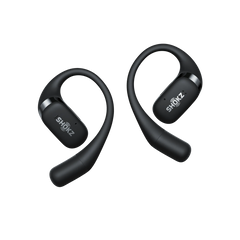
Shokz OpenFit Pro
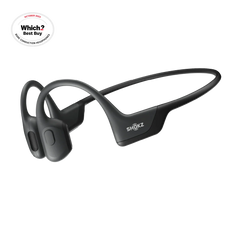
For commuters who want a bit more depth and richness in their audio, the OpenFit Pro is the step-up. It uses Shokz SuperBoost™ along with Dolby Atmos and head tracking, which sounds like overkill for a walk to the office, but it genuinely makes music feel fuller and more immersive, even at lower volumes. That can be handy when you want to stay aware of your surroundings without cranking things up.


It also has Open-Ear Noise Reduction, a clever middle ground that keeps your audio clear in noisy environments like busy roads without fully sealing you off from them. Combine that with AI-enhanced call clarity for taking calls on the go, and up to 50 hours of total playback, and it's a genuinely solid everyday commuter companion.
Here's how the two stack up side by side:
Find the Right Walking Headphones for Your Commute
Both Shokz OpenDots 2 and OpenFit Pro are built around the same core idea: you shouldn't have to choose between great sound and staying aware of the world around you. Whether you're weaving through busy streets or taking a quieter route through the park, open-ear headphones are the way to go. They let you enjoy your music, podcasts, or calls without shutting yourself off from what's happening around you.
If you're ready to make your daily walk more enjoyable, explore the Shokz range to find the pair that best suits your commute.
FAQs
Are open-ear headphones safe for walking in traffic?
Yes, and generally safer than sealed in-ear or noise-cancelling options. Because open-ear headphones don't block your ear canal, you can still hear approaching traffic, cyclists, and pedestrians while listening to your audio.
Do open-ear headphones sound as good as regular earbuds?
Modern open-ear headphones, like those using Dolby Audio or Dolby Atmos support, deliver genuinely rich, detailed sound. You may notice slightly less bass isolation compared to a sealed in-ear fit, but the trade-off is far better awareness of your surroundings.
What should I look for in headphones for a daily commute?
Comfort for extended wear, decent battery life to cover your full day, sweat and weather resistance, and a secure fit are the essentials. If any part of your commute is on foot, an open-ear design is worth prioritising for safety.
Will open-ear headphones fall out while walking or running for the bus?
Not if they're designed properly. Features like Shokz JointArc™ and ear hook designs are specifically built to stay secure during brisk walking, light jogging, or the last-minute dash to catch your train.