






- Why Choosing the Right Audio Gear Matters on the Hiking Trail
- Key Factors to Look for in Hiking Headphones
- Why Open-Ear and Bone Conduction Tech is Built for the Trail
- Best Shokz Headphones for Your Next Hiking Adventure
- Pick the Safe Hiking Headphones That Suit Your Needs
- Common Questions About Using Headphones While Hiking
There's nothing quite like a good playlist or podcast to keep you going on a long trail. But choosing the right hiking headphones matters more than most people realise. After all, hiking isn't like jogging round the block or working out at the gym. You're often dealing with uneven ground, changing weather, wildlife, mountain bikers, and sometimes hours of distance between you and the nearest help.
If you wish to keep listening to music while hiking, safety should be among your top priorities. Let's explore what actually makes a pair of headphones trail-ready, and why open-ear audio has become such a popular choice among hikers.

Why Choosing the Right Audio Gear Matters on the Hiking Trail
Music and podcasts can genuinely make a long hike more enjoyable, whether you're grinding up a steep climb or covering miles of flat, repetitive terrain. But unlike a treadmill session or a city run, hiking trails come with unpredictable variables you can't control.
There might be mountain bikers nearby calling out before they pass you on a narrow path. You might also need to catch the sound of loose rock underfoot, changing weather, or another hiker asking for directions. In more remote areas, being able to hear your own footing, running water, or wildlife is genuinely part of staying safe.
Headphones that seal off your ears completely can quietly work against you here. It's not that they're bad headphones, but they're simply built for a different kind of environment. You can use them in places like a quiet office or a long-haul flight, not a trail with shifting ground and unpredictable surroundings.
Key Factors to Look for in Hiking Headphones
Not every pair of headphones is built for hours on the trail. Here's what's worth prioritising when you're choosing a pair specifically for hiking.
| Factor | Why It Matters on the Trail |
| Situational awareness | Lets you hear other hikers, wildlife, weather, and your own footing |
| Secure, stable fit | Stays in place over uneven ground, scrambles, and long distances |
| Battery life | Long hikes can mean many hours without a charging point nearby |
| Weather resistance | Sweat, rain, and humidity are part of most hiking days |
| Comfort over long wear | You may be wearing them for several hours at a stretch |
| Clear calls | Useful for check-ins with hiking partners or emergency contacts |
What to Check Before You Buy
On paper, many headphones can tick most of the boxes above. But a few factors tend to make the real difference between a pair that survives a handful of hikes and one that genuinely holds up trip after trip, especially once you're a few hours into a long day out. Here's what's worth paying closer attention to before you commit to a pair:
- IP rating: Look for a rating that explicitly covers sweat and light rain, not just splash resistance from an accidental drop. Hiking sweat, drizzle, and humidity add up over a full day, so anything below sweat resistance is a complete miss.
- Fit and stability: Prioritise a fit designed to stay secure during scrambles and uneven terrain, and not just flat, steady walking. Ear hooks or a wraparound band tend to hold up far better on the trail than tips that rely purely on friction.
- Battery life for your longest hikes: Choose a battery life that comfortably covers your longest planned hikes, with a bit of buffer left over. It's worth checking whether the case or charging method can top you up mid-hike if you're out for a full day or longer.
- Awareness over isolation: Favour designs that let you hear your surroundings rather than fully sealing them out. This is less about sound quality and more about safety, since spotting a cyclist, a change in terrain, or a shift in weather often comes down to hearing it first.
- Comfort with other gear: Consider how the headphones sit under a hat, sunglasses, or hood since hiking kit tends to layer up. Bulky over-ear cups can clash with other gear in a way that open-ear designs generally avoid.

Why Open-Ear and Bone Conduction Tech is Built for the Trail
Open-ear headphones genuinely earn their reputation among hikers. Rather than sealing your ear canal shut, open-ear designs sit outside or beside the ear, leaving it completely uncovered.
Bone conduction technology takes this a step further. Instead of sending sound through the air into your ear canal, it sends gentle vibrations through your cheekbones directly to your inner ear. Your ears stay fully open the entire time, which means you can hear the trail around you exactly as clearly as if you weren't wearing headphones at all.
This matters most in situations you can't always predict. A cyclist approaching from behind. A sudden gust picking up. A change in the ground underfoot that your ears pick up before your eyes do. On a treadmill or in a gym, missing these cues costs you nothing. On a mountainside, it can matter a great deal.
Open-ear designs also tend to sit more comfortably under hats, buffs, or hood straps, since there's nothing bulky covering the ear itself. It's a small but genuinely useful bonus on colder or wetter hikes.
Best Shokz Headphones for Your Next Hiking Adventure
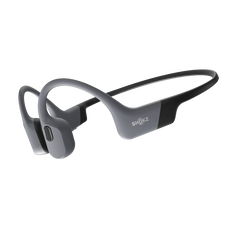
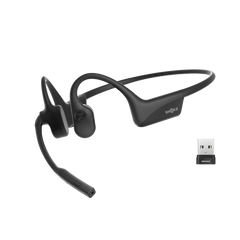
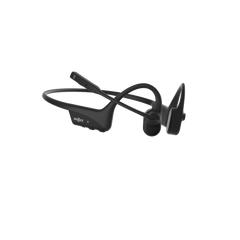
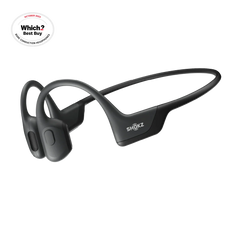
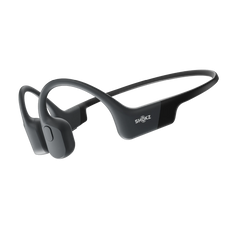
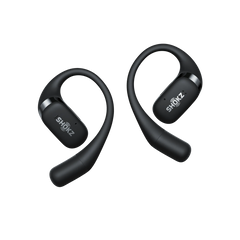
OpenRun Pro 2 is our flagship bone conduction sports headphone, and it's built with exactly this kind of trail use in mind. The nickel-titanium alloy frame wraps securely around your head for a snug fit that holds steady through scrambles and long climbs, while the open-ear design keeps you fully aware of your surroundings.
With up to 12 hours of playback, quick charge support, upgraded noise-cancelling mics for clear calls, and IP55 sweat resistance, it's well suited to full-day hikes and unpredictable weather alike.


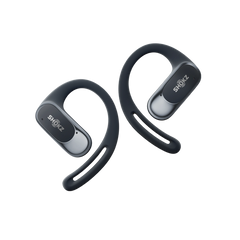
OpenFit 2+ is a great option if you'd rather have a true wireless earbud with a bit more depth to the sound. It uses Shokz DualBoost with Dolby Audio for richer detail, paired with redesigned ear hooks for a secure, comfortable fit. Physical buttons make it easy to control playback without needing to look at your phone, while IP55 water resistance helps protect the earbuds from sweat and light rain.
With up to 48 hours of combined playback thanks to the charging case, it holds up well across multi-day trips or longer weekend hikes where charging points are hard to come by.


Pick the Safe Hiking Headphones That Suit Your Needs
Hiking headphones are all about staying tuned into an environment that can change quickly and without warning. Open-ear and bone conduction designs let you enjoy your music or podcast without cutting yourself off from the trail, your hiking partners, or your own instincts.
If you're planning your next trail day, have a look at our open-ear headphones for sports guide, or explore the full open-ear range to find the pair that suits your adventures best.
Common Questions About Using Headphones While Hiking
Are open-ear headphones safer than regular headphones for hiking?
Generally, yes. Open-ear and bone conduction headphones leave your ear canal uncovered, so you can hear other hikers, wildlife, changing weather, and your own footing while still listening to music or podcasts, which matters most in unpredictable outdoor environments.
Is it safe to listen to music while hiking?
It can be, as long as your headphones don't block out important surrounding sounds. Choosing open-ear or bone conduction headphones over sealed, noise-cancelling designs is one of the simplest ways to keep listening to music while hiking safely.
How long does hiking headphone battery life need to last?
It depends on your typical hike length, but it's worth choosing a pair with enough battery life to comfortably cover your longest planned trail day, ideally with a charging case or quick charge feature as backup for multi-day trips.
Do hiking headphones need to be waterproof?
They should at least be sweat- and rain-resistant, since weather and exertion are part of most hikes. An IP55 rating or higher is a good baseline for handling sweat, light rain, and general trail conditions.