





- What Makes a Great Pair of Trail-Running Headphones?
- Why Open-Ear Headphones Are Ideal for Trail Running
- Best Headphones for Trail Running
- Are Headphones Allowed in Trail Running Races?
- Tips for Staying Safe While Running with Headphones on Trails
- Ready to Upgrade Your Trail-Running Headphones?
- FAQs
There's something about trail running that road running just can't match. The uneven ground, the roots, the loose gravel, the odd sheep that wanders across the path when you least expect it. It's brilliant, but it also demands a lot more of your attention than pounding the pavement. Which is exactly why picking the right trail-running headphones matters so much more out on the trails than it does on your usual commute.
Plenty of runners still reach for standard in-ear buds out of habit, but then wonder why they've rolled an ankle on a root or missed a mountain biker barrelling round the corner. If you're serious about trail running, your headphones need to work with your environment, not against it. Let's get into what actually matters when you're choosing headphones for the trails.

What Makes a Great Pair of Trail-Running Headphones?
Unlike road running, trails are full of variables you can't always predict. A mountain biker can appear around a blind corner, wildlife might cross your path, or another runner could call out to overtake you on a narrow section of trail.
Being able to hear what's happening around you is an important part of staying safe. That's why many trail runners prefer open-ear headphones, which let you enjoy music or podcasts while keeping you connected to your surroundings.
Situational Awareness Comes First
On a treadmill, blocking out the world is a bonus. On a mountain trail, it can be genuinely dangerous. You need to hear the crunch of gravel under your feet changing, the call of a fellow runner behind you, or a dog that's decided you look like fun to chase. Headphones that seal off your ears completely take away one of your most useful senses when the terrain gets technical.
A Secure Fit on Technical Terrain
Trail routes throw in sudden climbs, sharp descents, and unpredictable footing that road running simply doesn't have. If your headphones aren't built to stay put, you'll spend half your run adjusting them instead of enjoying the view. A secure, snug fit that doesn't budge, no matter how rough the path gets, should be non-negotiable.
Water and Sweat Resistance
Rain, river crossings, muddy puddles, and buckets of sweat are all part of the trail running package. A decent water resistance rating means you can stop worrying about the weather forecast and just focus on the run ahead.
Long Battery Life for Adventure Runs
Trails are basically for long-distance running, sometimes for hours at a stretch when you're training for an ultra or just exploring a new route. Headphones with strong battery life, and ideally a quick charge option, mean you're never caught out halfway up a hill with dead earbuds.
Why Open-Ear Headphones Are Ideal for Trail Running
Instead of sealing off your ears, open-ear technology allows ambient sounds to remain clear, whether that's approaching cyclists, fellow runners, or the changing conditions underfoot. This makes them a natural fit for trail running, where awareness is just as important as comfort.
The Problem with Traditional Earbuds
Standard in-ear or over-ear headphones physically block your ear canal. That's great for noise cancellation on a flight, but on a trail, it cuts you off from footsteps, wildlife, weather changes, and other trail users. They can also work themselves loose with sweat and movement, which is the last thing you want three miles into a technical descent. Fishing an earbud out of the mud after it's popped out mid-stride is a rite of passage most trail runners would rather skip.
Benefits of Open-Ear Technology
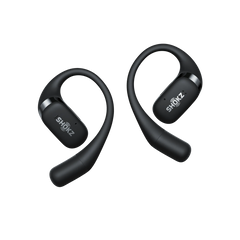
Open-ear headphones, including bone conduction models, leave your ear canal completely free. Sound is delivered either through the air just in front of your ear or via gentle vibrations through your cheekbones. You get your playlist and your awareness of the trail without having to choose between them.
Best Headphones for Trail Running
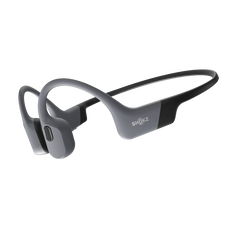
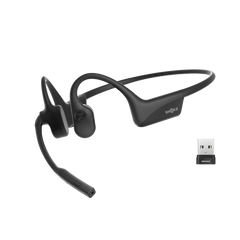
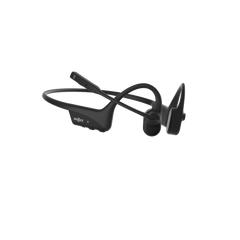
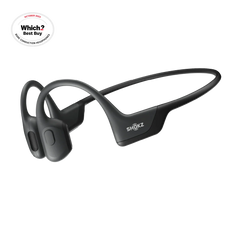
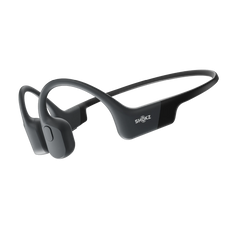
Shokz OpenRun Pro 2 is our pick for serious trail runners, and it's easy to see why. Shokz's dual-driver design handles the highs and the bass separately, so you get proper depth of sound rather than the flat, muddy audio.


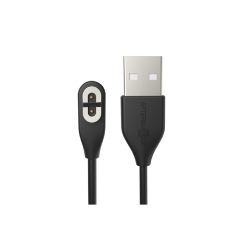
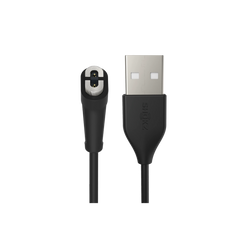
The nickel-titanium alloy frame flexes with your movement while keeping everything locked in place, which matters when you're navigating roots and rocks rather than flat pavement. You're looking at up to 12 hours of playback with quick charge on top, an IP55 rating to shrug off rain and sweat, and upgraded noise-cancelling mics, so you can still take calls clearly if you need to, even mid-run.
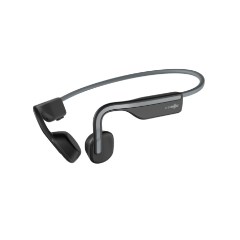
If you're newer to trail running or want a lighter option, [product-link handle="openrun" text="Shokz OpenRun"] is worth a look too. It keeps the open-ear design and secure fit that makes Shokz a trail-running favourite, in a simpler, more budget-friendly package. Either way, both models keep your ears open to the trail while still delivering the sound quality you'd expect from a proper pair of sports headphones.


Are Headphones Allowed in Trail Running Races?
The short answer? Sometimes. Unlike road races, trail events don't all follow the same rulebook. Every organiser sets their own policies, and those rules are usually based on the course, the terrain, and safety considerations.
Some races ban headphones altogether. Others allow them but ask runners to keep one ear free. And some, including many major trail events, place the responsibility on runners to stay aware of their surroundings and follow instructions from race officials.
Race Rules Vary
This one catches a lot of runners out. Some trail races ban headphones outright, others allow them with restrictions, and some don't mention them at all. It really does depend on the event, the distance, and sometimes even the country you're racing in.
Why Many Events Encourage Awareness
Trail races, particularly longer ones through remote or technical terrain, put a huge emphasis on runner safety. Organisers often want you to be able to hear marshals, other competitors, and warnings about hazards on the course. This is exactly where open-ear headphones have an advantage over sealed earbuds.
Checking the Event Regulations Before Race Day
Always check the specific rulebook for any race you're entering well before race day. Look for headphone policies in the athlete guide or FAQ section, and if you're unsure, a quick email to the organisers will clear things up. Turning up with the wrong kit can mean a time penalty or even disqualification, which is a rubbish way to end months of training. Even where headphones are permitted, some events ask that only one ear stays covered.

Tips for Staying Safe While Running with Headphones on Trails
The right headphones can make trail running more enjoyable, but they should never distract from staying safe. A few simple habits can help you stay aware of your surroundings, protect your gear, and focus on the trail ahead:
- Keep the volume low enough that you can still hear footsteps, voices, and traffic around you.
- Choose open-ear headphones, so your ear canal stays free, whatever the terrain throws at you.
- Run familiar routes at a lower volume before trying new or more technical trails.
- Let someone know your route and expected return time, especially on longer or more remote runs.
- Check the water resistance rating before heading out in wet weather or on routes with stream crossings.
- Do a quick fit check before setting off, adjusting ear hooks or bands so nothing shifts once you're moving.
Ready to Upgrade Your Trail-Running Headphones?
The best trail-running headphones do so much more than play your favourite playlist. They help you stay aware of your surroundings, remain comfortable over long distances, and keep up with whatever the trail throws your way. From steep climbs and rocky descents to unexpected weather, choosing headphones designed specifically for outdoor running, like the OpenRun and OpenRun Pro 2, can make every run safer and more enjoyable.
If you're looking for headphones that combine open-ear awareness, a secure fit, premium sound, and all-day battery life, Shokz has a model to suit every type of trail runner.
FAQs
Are bone conduction headphones good for trail running?
Yes. Bone conduction headphones like OpenRun Pro 2 leave your ear canal open, so you can hear your surroundings clearly while still enjoying your music or podcast.
What headphones are best for mountain running?
If you're looking for headphones for mountain running, look for a secure, non-slip fit, solid water resistance, and long battery life. OpenRun Pro 2 ticks all three boxes, with a nickel-titanium frame built to handle rougher terrain without shifting around.
Can you wear headphones during a long-distance trail run?
You can, though it's worth checking whether your chosen route or race allows them. Make sure to choose a design that keeps you aware of your surroundings. Open-ear headphones are generally the safer choice for long-distance runs.
Do Shokz headphones stay secure on rough trails?
Shokz sports headphones are built with ergonomic ear hooks and lightweight frames specifically designed to stay put during high-impact movement. The nickel-titanium alloy used in models like OpenRun Pro 2 flexes without losing its shape, so the fit stays snug from the first mile to the last.