





Finding the best wireless earbuds UK retailers actually have in stock is a proper slog. With thousands of identical-looking pairs clogging up your feed, it’s easy to get lost in the noise. We’ve all dealt with the usual rubbish: batteries that give up halfway through a damp commute, or "premium" mics that make you sound like an alien asking to be taken to Earth’s leader.
But hunting for the top wireless earbuds shouldn't mean falling for marketing fluff. You need kit that survives the Tube, blocks out the office chatter, and stays put when you're actually moving. Whether you’re after the best budget earbuds wireless brands have tucked away or a high-end pair of wireless earbuds UK professionals swear by, it’s about what works for your ears, not just chasing a spec sheet. Let’s get right to it.
Part 1. How to Choose the Best Wireless Earbuds in the UK
Picking the right pair starts with being honest about your daily routine. Most marketing dangles flashy features you’ll likely never touch whilst ignoring the basics that actually dictate your day-to-day experience.
1. Match the Buds to Your Daily Life
You need to be realistic about where these things will actually live. A two-hour commute on a rattling train demands a completely different setup than a quiet spare room. If you’re hitting the gym, sweat resistance isn't a "nice-to-have"; it's a must.
Likewise, if your day is buried in back-to-back calls, you need mics that won't leave you sounding like you’re trapped in a goldfish bowl. For anyone running on UK roads, being able to hear a stray car or cyclist is a massive safety win that beats total isolation every time.
Ultimately, your lifestyle should dictate the tech, not some shiny marketing campaign. If you’re a heavy podcast listener, don't waste cash on audiophile bells and whistles you won't even notice. But if you’re a frequent flyer, investing in proper noise cancellation is the only way to make a long-haul flight anything close to bearable.
2. Key Features to Look For
This is where the top wireless earbuds are separated from the “decent” ones: battery life, fit, call quality, water resistance, and controls. Each deserves proper scrutiny before you commit.
- Battery life cannot be overlooked. Cheaper models usually have lower capacity, which translates to a shorter overall lifespan as the battery inevitably wears out. Premium options should be pushing beyond the eight-hour mark, with cases adding multiple full top-ups for convenience.
- Fit matters more than almost any other spec. In-ear tips create a tight seal for bass and isolation but can feel like a plunger in your ear over time. Open-ear designs sacrifice some total isolation yet deliver massive comfort during extended wear.
- Call quality separates mediocre from excellent earbuds. You want multiple microphones paired with decent algorithms that can filter out background chatter without clipping your voice.
- Water resistance protects against sweat and the inevitable British rain. IPX4 handles splashes whilst IPX7 survives even brief submersion. Given our UK weather, aiming for IPX4 and above is the only sensible move.
- Controls matter in real-world conditions. Touch panels sound clever on paper but often fail when you're wearing gloves or if your fingers are wet. Physical buttons tend to work reliably regardless of the weather.
3. Check UK Availability & Warranty
It’s a common frustration: some brilliant earbuds sold globally can skip UK distribution or arrive months late. Always verify local stock and delivery times before getting your hopes up.
You will learn to appreciate a solid warranty when something you rely on suddenly packs up six months in. UK consumer rights provide baseline protection, but manufacturer support varies dramatically. Check return policies carefully, as some brands make the process a total faff.
Part 2. 5 Best Wireless Earbuds for Every UK Lifestyle
Each pick here excels in specific scenarios rather than claiming to be a "jack of all trades". Match your priorities to these categories to ensure you’re getting the right kit for your day-to-day.
1. Best for Gym and Running
Active pursuits destroy standard earbuds in no time. Sweat seeps into charging ports, jostling during sprints knocks them loose, and stuffed gym bags inevitably crush fragile cases. Runners face additional hurdles: staying aware of traffic is a safety must, whilst monotonous playlists need skipping without you having to break your stride.
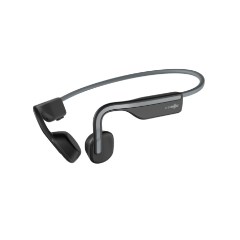
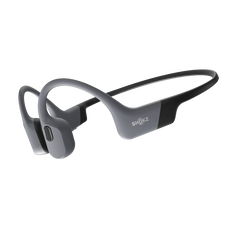
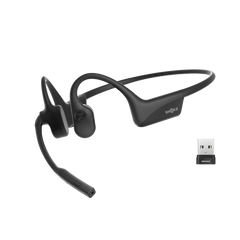
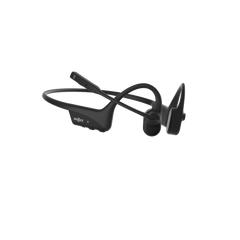
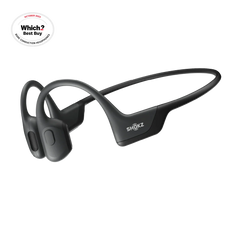
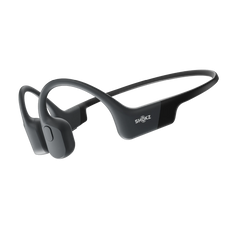
The Shokz OpenFit Pro tackles these headaches with an open-ear design. Audio reaches your ears without plugging them, letting you hear approaching cyclists or car horns during road runs. Bone conduction transmits sound through your cheekbones whilst leaving your ear canals completely free.
This approach delivers genuine benefits for training:
- Situational awareness: Traffic sounds, other runners, and gym announcements remain perfectly audible.
- All-day comfort: No ear canal pressure means you genuinely forget they’re there during long sessions.
- Secure fit: The wraparound design stays put through burpees, sprints, and heavy movement.
- 12-hour battery: Covers multiple workouts before you need to hunt for a cable.
- IP55 rating: Handles heavy sweat and the inevitable British rain during outdoor training
The titanium frame flexes without snapping, surviving hasty packing into kit bags. Physical buttons let you control volume even whilst wearing gloves, which is a godsend during winter runs. Plus, the triple-mic setup ensures post-run calls sound clear even when you’re still catching your breath.


2. Best for Work Calls and Home Office
Video calls expose audio flaws ruthlessly. Background noise leaks through, voices sound muffled, and cheap mics turn your input into a garbled mess. Furthermore, wearing in-ear buds for eight hours a day is a recipe for pressure headaches.
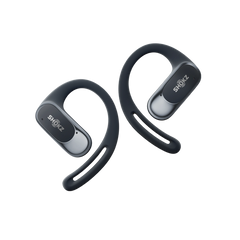
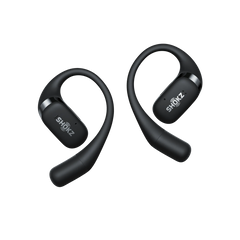
The Shokz OpenDots ONE addresses these specific pain points with a clip-on design. They attach to your outer ear rather than plugging inside, preventing that "stuffed up" feeling during marathon Zoom sessions. The open design also lets you hear your own voice naturally, stopping that weirdly disconnected sensation when you speak.
Key advantages for work scenarios:
- Lightweight at 6.5g: Feels almost weightless even during back-to-back meetings.
- Interchangeable left/right: Dynamic ear detection means no more faffing around to work out which bud goes where.
- Clear call quality: AI algorithms filter out typing noises and background chatter effectively.
- 10-hour battery: Lasts a full workday without "charging anxiety", with 2 hours of juice from a 10-minute top-up.
- Works with glasses: The clip design won't compete for space with your spectacle arms.
The charging case supports wireless charging, sitting conveniently on your desk. Touch controls respond reliably, letting you mute instantly when someone wanders into your home office. Plus, their distinctive look works well on camera without screaming "professional-wannabe".
3. Best for Commuting and Travel
The London Underground demands serious isolation. Bus announcements need hearing whilst music is playing, forcing travel buds to juggle contradictory requirements. The Sony WF-1000XM5 handles this balancing act through exceptional noise cancellation.
Their adaptive system adjusts blocking based on your environment, letting through announcements automatically whilst crushing engine drone. The case is compact enough for a jacket pocket yet holds multiple charges. Touch controls work intuitively once learned, and the battery stretches to eight hours with ANC active.
4. Best Sound Quality for Music Lovers
Serious listening reveals compression flaws instantly; an audiophile’s ears will pick up on sibilance, soundstage collapse, and tonal imbalances that casual listeners miss.
The Sennheiser Momentum True Wireless 4 prioritises audio fidelity above gimmicks. Their 7mm drivers deliver exceptional detail and tonal accuracy, whilst spatial audio creates a convincing soundstage for complex genres. The customisable EQ lets you tune the sound precisely through their app.
5. Best Value Under £100
Budget constraints don't have to mean accepting rubbish. Several manufacturers offer impressive performance below three figures, provided you accept a few sensible compromises.
The Sony WF-C710N delivers core features without the luxury price tag. The noise cancellation works adequately for a standard commute, and the sound quality exceeds expectations at this price with a balanced tune that avoids bloated, muddy bass. You get fifteen hours of total life with the case, matching many pricier options on the market.

Part 3. Test Your New Earbuds in 5 Minutes
The excitement of unboxing usually clouds your judgement. Run these practical checks immediately whilst you can still return them hassle-free.
1. The Fit Check
Wear them for fifteen minutes whilst going about your business and don’t just sit there, walk around the house, bend over to tie your shoelaces, and give your head a proper shake.
Pressure points usually reveal themselves early on; if they’re nagging you after fifteen minutes, they’ll be unbearable after two hours. Try every ear tip size included in the box. The seal is everything. It dictates the bass and isolation, and it should feel secure without making your ears ache.
2. The Call Quality Test
Phone a mate and head outside. Ask them for a brutally honest rating of your voice. Walk past traffic, step into a gust of wind, or stand near some roadworks. Cheap microphones tend to crumble the moment they face real-world British conditions. Record a voice memo whilst on the move and listen back critically. Your voice should sound like yourself, not a distorted robot shouting from the bottom of a well.
3. The Range & Connection Test
Leave your phone in one room and walk away gradually. Note exactly where the audio starts to stutter or cut out. Remember, walls and floors are signal killers. While most modern kit manages ten metres easily, some budget options fail the moment a door stands in the way. If anything feels glitchy, it’s worth double-checking how to pair your headphones properly before you assume the earbuds are faulty.
If possible, test them at a busy train station or shopping centre; these spots are flooded with Bluetooth signals and are the ultimate test for connection stability.
4. The Long-Wear Comfort Check
Set a timer for an hour and then consciously forget about it. Go about your day until it sounds, then assess the situation. Your ears shouldn't feel itchy, pressured, or tender.
Check the case, too. Does it flip open easily? Do the buds snap into place without you having to faff around? You’ll be interacting with this case dozens of times a week, so an awkward design becomes a massive annoyance very quickly.
Final Thoughts
Different wireless earbuds serve different masters. Gym warriors need a secure fit and sweat resistance that can handle a rainy UK winter, whilst commuters must prioritise noise cancellation to stay sane on the train. Those working from home need all-day comfort over total isolation, and music lovers will always demand a level of fidelity that budget models simply can't reach.
The best wireless earbuds UK retailers offer are the ones that balance real-world practicality with reliable performance. At the end of the day, battery life, fit, and call quality are what you’ll notice every morning, while exotic codecs and fancy, bloated apps rarely prove essential. Buy for your actual routine rather than an imagined scenario. Getting this choice right means you can finally get on with enjoying your music, calls, and podcasts without the constant frustration of a kit that isn't up to the job.

Frequently Asked Questions
1. Are All Wireless Earbuds Compatible with iPhone and Android?
Technically, yes. Bluetooth doesn't care about your brand of phone. That said, some manufacturers "lock" their best tricks behind their own walls. While basic music and calls work on anything, if you want a pair that doesn't play favourites, the Shokz OpenFit Pro and OpenDots ONE are the way to go. They don't strip away features just because you switched from an iPhone to a Samsung.
2. Do I Really Need the Companion App?
You can certainly live without it. Your buds will pair and play music the second they're out of the box. But if you ignore the app entirely, you're stuck with the factory settings. You'll miss out on firmware patches and the ability to tweak the EQ to your liking. It’s usually worth the faff of a one-time setup just to get things dialled in.
3. Can I Wear These Earbuds with Glasses?
It’s a bit of a juggle. Standard in-ear buds usually stay out of the way, but anything with a chunky over-ear hook is going to fight your spectacle arms for space. If you’re a full-time glasses wearer, open-ear designs are a godsend. They’re designed to sit comfortably alongside your frames without that annoying pinching sensation.
4. What Is the Difference Between IPX4 and IPX7?
Think of IPX4 as "rain-proof", it’ll handle a sweaty gym session or the inevitable British drizzle without packing up. IPX7 is the heavy-duty version, rated for a proper soaking (up to one metre for half an hour). Unless you have a habit of dropping your kit in deep puddles, IPX4 is plenty for life in the UK.
5. Are Wireless Earbuds Safe for Outdoor Use?
Safety is a matter of situational awareness. Standard buds that plug the ear canal are designed to block out the world, which creates a genuine risk if you can't hear approaching traffic or sirens. Open-ear models, such as those from Shokz, solve this by letting ambient noise reach your ears naturally whilst your audio plays. This keeps you clued-in to your surroundings during a run or cycle.