









Every hiker knows the feeling. You're a few miles in, your legs are heavier than they were an hour ago, and the summit or the finish point still looks impossibly far away. Whether it's a tough climb, bad weather rolling in, or just general fatigue, if you don't know any good hiking tips, there's always a point on a longer hike where your brain starts negotiating with you.
However, knowing how to keep going on a hike is less about raw fitness and more about a handful of practical habits and mental tricks. Here's what actually helps when you're struggling to stay motivated while hiking, and the trail still has plenty of miles left in it.

Practical Hiking Tips to Keep Your Body Going
Before motivation even comes into play, a lot of "I want to quit" moments are really your body asking for something basic. Maybe you're running low on fuel, your feet are unhappy, or you've been pushing a pace that was never sustainable in the first place.
It's easy to mistake all of this for "I'm just not cut out for this today," when really it's your body sending a pretty clear signal. Fortunately, these are usually the easiest problems to fix, and sorting them out early tends to make the mental side of hiking a whole lot easier too.
Fuel Before You're Hungry, Not After
Waiting to eat until you feel properly hungry or your energy has already dipped means you're playing catch-up. Little and often, with a mix of carbs and protein, keeps your energy steadier than one big lunch stop halfway round.
Drink Before You're Thirsty
Dehydration creeps up on you, especially on cooler days when you don't feel like you're sweating much. Sip water regularly rather than waiting until your mouth feels dry.
Break the Hike Into Chunks
Instead of fixating on the total distance, focus on the next landmark, junction, or viewpoint. Mentally, five short stages feel far more manageable than one long slog.
Adjust Your Pace, Don't Just Push Through
Slowing down slightly on a tough climb is almost always faster overall than sprinting and then needing a long recovery stop. A steady, sustainable pace beats stop-start bursts.
Sort Your Feet Out Early
If you feel a hot spot forming, stop and deal with it immediately, rather than hoping it goes away. A two-minute pause for a blister plaster beats limping the last five miles.
Layer Smartly
Overheating and getting chilled both drain your energy fast. Adjust layers before you're uncomfortable, not after.
| What You're Feeling | What It Usually Means | Quick Fix |
|---|---|---|
| Sudden low energy or grumpiness | Blood sugar dropping | Eat a snack, don't wait for the next planned stop |
| Dry mouth or headache | Early dehydration | Drink water now, little and often from here on |
| Legs feel heavy on climbs | Pace is faster than sustainable | Slow down slightly, find a steadier rhythm |
| Hot spot on your foot | Blister forming | Stop immediately, apply a plaster or moleskin |
| Overheating or sweating heavily | Too many layers for the effort | Remove a layer before you're properly uncomfortable |
| Shivering or cold hands | Not enough insulation | Add a layer, don't wait for it to get worse |
Mental Tricks: How to Stay Motivated While Hiking
Once the physical basics are covered, staying motivated on a hike often comes down to how you're talking to yourself, whether you realise it or not. Here are a few mental tricks experienced hikers swear by:
- Set mini goals instead of one big one. Aim for "the next bend" or "that tree line" rather than fixating on the summit or the car park still hours away.
- Reframe discomfort as temporary. Tired legs and a burning chest are uncomfortable, not dangerous. Reminding yourself it will pass in a few minutes takes some of the sting out of it.
- Use a mantra or counting trick. Simple, repetitive phrases or counting steps can quiet the "how much further" spiral and give your brain something steady to focus on.
- Recall why you're out here. Whether it's the view, the challenge, or just time away from a screen, reconnecting with your original reason for the hike can genuinely refresh your motivation.
- Talk to yourself like you'd talk to a mate. Harsh self-talk ("I can't do this") tends to make things worse. Try swapping it for something more like "this bit's hard, but I've done hard bits before."
- Celebrate small wins. Reaching a junction, finishing a climb, or simply hitting the halfway point are all worth a mental pat on the back, not just the final summit photo.
None of these tricks needs to feel forced or overly positive. Most experienced hikers use a mix of two or three, depending on the day and how they're feeling.

Find Your Rhythm: The Power of Audio on the Trail
For many hikers, music or a podcast is one of the simplest ways to push through a tough stretch. A good playlist can genuinely shift your pace and mood, turning a slog into something closer to enjoyable. At the same time, a podcast or an audiobook can make time disappear on long, repetitive sections of trail.
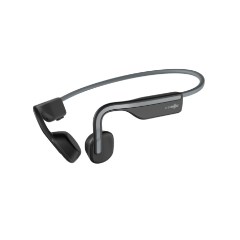
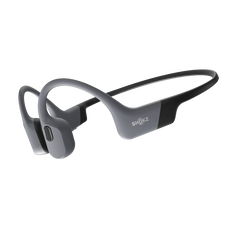
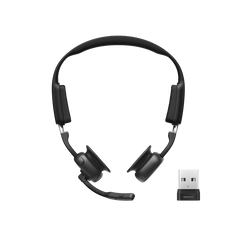
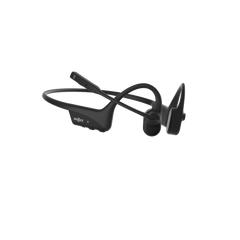
The trick is choosing audio gear that helps rather than works against you out there. Sealed, noise-cancelling headphones might sound great, but they also cut you off from other hikers, mountain bikers, wildlife, or a change in the weather, which matters far more on a trail than it does on a commute. This is where open-ear headphones for hiking are a great solution. They let you keep your motivation-boosting playlist going without losing awareness of what's happening around you.
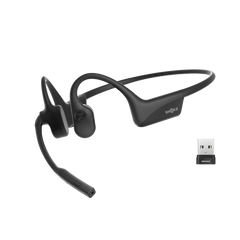
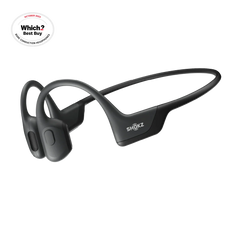
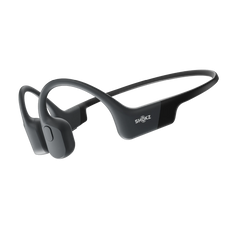
OpenRun Pro 2
OpenRun Pro 2 uses bone conduction technology and sends sound through gentle vibrations along your cheekbones rather than into your ear canal. That way, your ears stay completely open the entire hike. The secure, nickel-titanium frame stays put through climbs and scrambles, and with up to 12 hours of playback, it'll comfortably see you through a long day when your motivation needs the extra push.


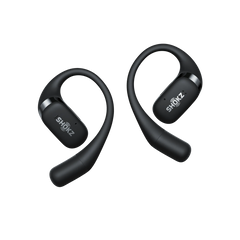
OpenFit 2+
OpenFit 2+ is a strong choice if you'd prefer a richer, fuller sound for those long, steady stretches where a good beat genuinely helps you find your rhythm. Shokz DualBoost with Dolby Audio adds depth to your music, while the redesigned ear hooks keep them secure without any pressure building up over hours of wear. With up to 48 hours of combined playback, battery anxiety is one less thing to think about mid-trail.


Use These Essential Tips to Stay Motivated
Hitting a wall partway through a hike is completely normal, and it happens to experienced hikers just as much as beginners. Sorting the basics, breaking the route into smaller chunks, and having the right mental tricks (and playlist) in your back pocket can make all the difference between turning back early and finishing strong.
If audio is part of your strategy for pushing through the tough bits, have a look at our full open-ear range to find your next trail companion.
Common Questions About Maintaining Energy and Motivation on a Hike
How do I keep going on a hike when I want to quit?
Focus on the basics first: fuel, water, and pace, then break the remaining distance into smaller, more manageable chunks rather than fixating on the total distance left. Combining this with a mental trick like a mantra or mini goals usually helps push through the tough stretch.
What causes a sudden drop in motivation while hiking?
It's often a combination of low energy, dehydration, and fatigue rather than a lack of willpower. Refuelling, adjusting your pace, and taking a short break can often turn things around faster than pushing through on willpower alone.
Does music actually help while hiking?
For many hikers, yes. A well-chosen playlist can help maintain a steadier pace and lift mood on tough sections, as long as you're using headphones for hiking that don't block out important sounds around you on the trail.
Are open-ear headphones a good choice for long hikes?
Yes, particularly for longer trails where staying aware of your surroundings matters. Open-ear and bone conduction headphones let you enjoy music or podcasts throughout the hike while still hearing other hikers, wildlife, and changing conditions clearly.