






- The Core Hiking Trail Essentials: What Every Backpacker Needs
- Day Hike vs Multi-Day Trek: Adjusting Your Packing List by Trip Length
- Beyond the Basics: Overlooked Gear That Upgrades Your Trail Experience
- Stay Aware on the Trail: Meet the Shokz Open-Ear Range for UK Hiking
- Pick the Right Headphones for Your Hiking Packing List
- Common Questions About Hiking Packing Lists and Trail Gear
Whether you're heading out for a couple of hours on a local trail or planning a multi-day hiking trek through the hills, getting your pack right makes all the difference. Too little and you're caught out by weather, blisters, or a flat phone battery. Too much and you're lugging around dead weight for miles you didn't need to.
What you need is a good, thorough hiking packing list that includes it all, from the non-negotiables to the extras that make a real difference once you're a few hours into the trail.
The Core Hiking Trail Essentials: What Every Backpacker Needs
Before you get into trip-specific packing, there's a core set of hiking trail essentials that should go in your bag pretty much every time, regardless of distance or difficulty. These are the things that keep you safe, fed, and functioning if the day doesn't quite go to plan.
| Category | What to Pack |
| Navigation | Map, compass, or GPS device, plus a downloaded offline map on your phone |
| Water and food | Enough water for the full route, plus extra, and calorie-dense snacks |
| Weather protection | Waterproof jacket, layers, hat, and gloves depending on season |
| First aid | Basic kit covering blisters, cuts, painkillers, and any personal medication |
| Light | Head torch or small torch, even for a hike that should finish before dark |
| Power | Portable charger or power bank for your phone |
| Safety | Whistle, and a fully charged phone with emergency contacts saved |
| Sun protection | Sunscreen and sunglasses, even on cloudy days |
None of this is glamorous kit, but it's the difference between a minor inconvenience and a genuinely stressful situation if the weather turns, or you end up on the trail longer than planned. A good rule of thumb is to pack for the weather you might get, not the weather forecast this morning.
Day Hike vs Multi-Day Trek: Adjusting Your Packing List by Trip Length
A day hike packing list and a multi-day trekking list share the same foundation, but the details shift quite a bit once you're staying out overnight.
For a day hike, you're mostly optimising for weight and simplicity. You want enough water, food, and layers to cover the route comfortably, plus the core essentials above, all in a bag light enough that it doesn't slow you down. Most day hikers can comfortably manage with a 20 to 30 litre pack.
For a multi-day trek, the list grows considerably. On top of everything in your day pack, you're now thinking about:
- Shelter, whether that's a tent, a bivvy, or a hut booking depending on the route,
- A sleeping bag and mat suited to the season and expected temperatures,
- Cooking equipment, fuel, and enough food for each day plus a buffer,
- Extra clothing layers for changing weather and evenings at camp,
- A larger capacity pack, typically 45 litres or more depending on trip length,
- A plan for water refills along the route, plus a filter or purification tablets if needed.
The core safety essentials don't change between the two but simply get supplemented with everything you need to comfortably spend a night, or several, out on the trail.

Beyond the Basics: Overlooked Gear That Upgrades Your Trail Experience
Once the essentials are sorted, there's a second tier of gear that doesn't always make the standard packing list, but genuinely improves the experience once you're out there. Here's a list of what's often worth squeezing in.
Trekking Poles
Trekking poles take real pressure off your knees on descents and give you extra stability on uneven or wet ground. They're especially handy on longer routes with a lot of elevation change, where your knees tend to take the brunt of it by the end of the day.
Blister Plasters and Moleskin
Blister plasters and moleskin are far more effective mid-hike than a standard plaster once your feet are already sore. Packing them separately from your general first aid kit means you can grab one quickly the moment you feel a hot spot forming.
A Lightweight Dry Bag
A lightweight dry bag keeps your phone, wallet, or spare layers dry if the weather turns unexpectedly. It barely adds any weight to your pack, but it can save you from a genuinely miserable, soggy afternoon.
A Spare Pair of Socks
A spare pair of socks is a genuine game changer if you cross a stream or get caught in the rain. Wet feet are one of the fastest ways to turn a good hike sour, and dry socks are a small fix with a big payoff.
Comfortable, Secure Headphones
Music or a podcast can make long stretches feel much shorter, as long as they don't cut you off from the trail around you. Many hikers either skip audio entirely because sealed headphones feel unsafe on the trail, or they wear them anyway and lose awareness of their surroundings.
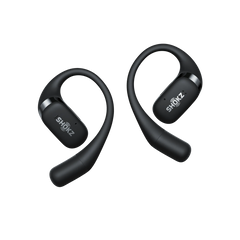
Open-ear headphones solve this because they let you enjoy your music while keeping your ears fully open to the world around you, which is exactly why they've become a popular addition to more hikers' kit lists.

Stay Aware on the Trail: Meet the Shokz Open-Ear Range for UK Hiking
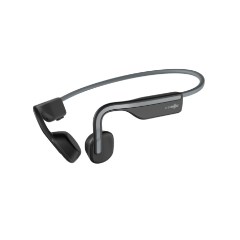
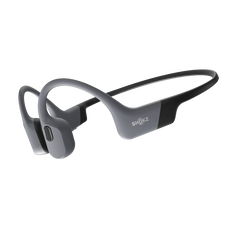
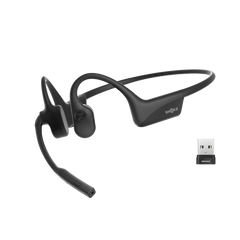
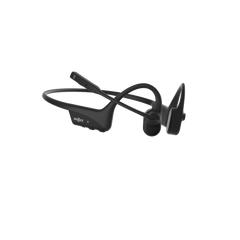
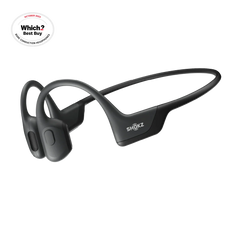
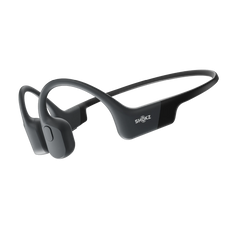
OpenRun Pro 2 is our flagship bone conduction sports headphone, built for exactly this kind of trail use. Sound travels through gentle vibrations along your cheekbones rather than into your ear canal, so your ears stay completely open to hear other hikers, wildlife, or changing conditions. The nickel-titanium frame keeps it secure over scrambles and long climbs, and with up to 12 hours of playback plus quick charge support, it's well suited to a full day out.


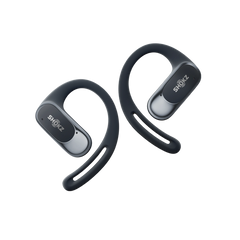
OpenFit 2+ is a great pick if you'd prefer a true wireless earbud with richer sound for those long, steady stretches of trail. Shokz DualBoost with Dolby Audio adds real depth to your music, while redesigned ear hooks keep them secure without pressing into your ear. With up to 48 hours of combined playback thanks to the charging case, it easily covers a long day hike or even a multi-day trip between charges.


Pick the Right Headphones for Your Hiking Packing List
A solid hiking packing list is all about carrying the right things for the trail ahead. Nail the core essentials, adjust for how long you'll be out, and add in the small extras that make the day genuinely more enjoyable, headphones included.
Ready to add open-ear audio to your kit list? Browse the full open-ear range and choose the right pair for your next trip.
Common Questions About Hiking Packing Lists and Trail Gear
What are the most important hiking trail essentials to never leave behind?
Navigation, enough water and food, weather-appropriate layers, a basic first aid kit, and a way to call for help if needed are the essentials worth packing on every single hike, regardless of distance.
What should be on a day hike packing list that isn't needed for shorter walks?
Even for a shorter day hike, it's worth carrying a head torch, a portable charger, and extra water and snacks beyond what you think you'll need, as delays and detours happen more often than planned.
How is a multi-day hiking packing list different from a day hike list?
A multi-day trek adds shelter, a sleeping bag and mat, cooking equipment, extra food, and a larger capacity pack on top of the same core safety essentials used for a day hike.
Are headphones safe to bring on a hike?
They can be, as long as they don't block out your surroundings. Open-ear or bone conduction headphones let you listen to music or podcasts while still hearing other hikers, wildlife, and changing trail conditions clearly.