





- What Makes UTMB Different From Other Races?
- The Essential UTMB Race Day Checklist
- Why Audio Matters During UTMB
- Why Traditional Earbuds Aren't Ideal for UTMB
- Why Open-Ear Headphones Are Better for Trail Running
- Why Many UTMB Runners Choose Shokz
- Best Shokz Headphones for UTMB
- Final UTMB Race Day Checklist
- Ready for Race Day?
- FAQs
So you've got a UTMB bib. Congratulations, and also, brace yourself because this isn't your average trail race. We're talking a full loop around Mont Blanc, tens of thousands of metres of climbing, and a course that can throw sunshine, snow, and everything in between. Sorting your trail-running gear properly isn't optional here, but it means the difference between a finish line photo and a very long, cold night on a mountainside. Let's get your checklist sorted, from the mandatory basics to the stuff nobody tells you until it's too late.
What Makes UTMB Different From Other Races?
Every year at UTMB, runners take on steep climbs, technical descents, unpredictable weather, and distances that push both body and mind to their limits. It's the kind of event where smart preparation pays off, and choosing the right trail-running gear can be just as important as the training.
Long Hours on the Trails
Depending on your race distance, you could be out on the trail for the best part of a day, or well into the night and the following day too. That changes everything about how you pack, fuel, and think about gear, as comfort over 20+ hours matters a lot more than it does over two.
Constant Changes in Terrain
One minute you're on a smooth, runnable fire road, the next you're scrambling up loose rock or picking your way down a technical, root-covered descent in the dark. UTMB doesn't let you settle into a rhythm for long, and your gear needs to handle that constant switching.
Mountain Weather Can Change Quickly
This is the big one. Alpine weather in the Mont Blanc region can swing from over 30° C to well below freezing at altitude, sometimes within the same race. Rain, hail, and even snow above 2,000m aren't unusual. It's precisely why UTMB's mandatory kit list is so extensive.
Staying Focused for an Entire Day
Physically, UTMB is brutal. But mentally? That's often what actually breaks people. Hours on your feet, fatigue setting in, decision-making getting harder the longer you're out there. And of course, staying sharp late into a race is its own separate skill. Keep in mind that UTMB tests not only physical endurance, but also gear selection.

The Essential UTMB Race Day Checklist
You can't control the weather, the climbs, or how your legs will feel after 100 kilometres. What you can control is what you bring. Here's the gear you'll want to have dialled in long before you reach the start line.
Trail Running Shoes
Your shoes need to handle mud, rock, wet roots, and hours of pounding without falling apart or wrecking your feet. UTMB requires fully enclosed footwear that's suitable for mountain trails, so this isn't the place for anything experimental. Choose a pair with a reliable grip that you've already put plenty of long training miles into.
Running Vest
Non-negotiable because UTMB requires you to wear a running vest or pack for the entire race, and it needs to comfortably carry everything else on this list plus your mandatory kit. Fit it, load it, and run in it well before race week.
Hydration System
UTMB has minimum water-carrying requirements, and aid stations can be spaced out, especially at altitude, where you'll be working harder and sweating more than you expect. Bottles or a bladder, whichever suits your vest. Just make sure you can actually hit your fluid targets between checkpoints.
Nutrition & Energy Gels
You'll be burning through serious calories, and UTMB requires you to carry a food reserve on top of whatever you're taking as you go. Test everything, like gels, bars, and real food in training. Race day at altitude with fatigue setting in is the worst possible time to discover your stomach doesn't get on with a new energy gel.
GPS Watch
Beyond just tracking your pace, a good GPS watch helps you navigate, pace climbs sensibly, and keep tabs on your effort over what's likely to be the longest race of your year. Multi-day battery life or a reliable charging plan matters here, especially for the longer distances.
Safety Equipment
So, what should be considered UTMB mandatory equipment? Head torches (UTMB requires two, with spares), a survival blanket, a whistle, warm layers – this is where you really can't cut corners. Mountain rescue conditions can turn serious fast, and the mandatory kit list exists because people's lives have depended on it before.
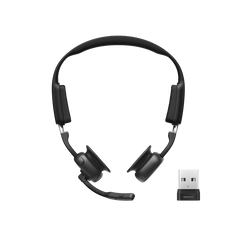
Open-Ear Sports Headphones
Here's one that doesn't always make the "official" checklists, but genuinely earns its place in your vest pocket. A good playlist or podcast can carry you through the darker hours (literally and figuratively). Open-ear headphones let you have that without switching off from what's happening around you.
Why Audio Matters During UTMB
Every runner has their own strategy for getting through an ultra. Some embrace the silence, while others rely on music, podcasts, or navigation prompts to keep them moving. If you're someone who enjoys running with audio, the right setup can give you a welcome mental boost.
Staying Motivated During Long Climbs
Anyone who's tackled a long alpine climb knows the mental grind is as real as the physical one. The right playlist, or a podcast that pulls your brain somewhere else for twenty minutes, can genuinely help you push through a climb that would otherwise feel endless.
Following Navigation Prompts
If you're using audio cues from a GPS watch or navigation app, whether that's turn-by-turn prompts or pace alerts, you need to actually be able to hear them clearly without missing anything happening around you. This is where open-ear headphones quietly do a lot of work.
Breaking Up Mental Fatigue
Late into an ultra, your brain gets tired just like your legs do. A change of audio like music, a podcast, even just white noise, can break up the monotony and give your mind something other than "how much further" to focus on.

Why Traditional Earbuds Aren't Ideal for UTMB
Standard in-ear or noise-cancelling earbuds seal your ear canal. This is a real problem when you're navigating technical terrain in the dark, sharing trails with other competitors, or need to hear a marshal's instructions at a checkpoint.
It's worth knowing that UTMB's official rules do allow music through earphones, as long as it's safe, but you're required to take them out at road crossings and around checkpoints and safety staff. With sealed earbuds, that means constantly pausing to pull them out and back in, which gets old fast in a long race.
Why Open-Ear Headphones Are Better for Trail Running
Open-ear headphones solve this problem in the simplest way possible: your ears just stay uncovered the whole time. You get your audio, but you're never actually blocked off from your surroundings, so there's no fumbling to pull anything out at checkpoints or road crossings. For an event that demands constant awareness for hour after hour, that's a genuinely big deal.
Why Many UTMB Runners Choose Shokz
Shokz has built a solid reputation in the ultra community for exactly this reason. Bone conduction headphones send sound through your cheekbones rather than into your ear canal. It means you get clear audio while staying completely tuned in to the trail, other runners, and race officials. Add in genuinely long battery life, a secure fit for hours of rough terrain, and sweat and weather resistance, and it's easy to see why Shokz is a top pick for runners.
Best Shokz Headphones for UTMB
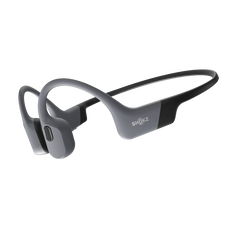
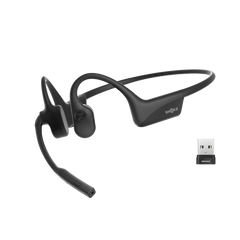
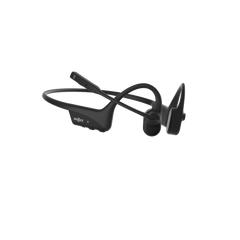
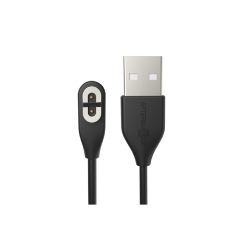
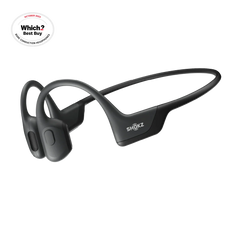
Shokz Shokz OpenRun Pro 2 is the standout pick for an event like UTMB. The dual-driver design gives you proper sound quality without needing to seal your ears, and the nickel-titanium alloy frame keeps everything locked in place through technical terrain and hours of movement. With up to 12 hours of playback plus quick charge, and an IP55 rating to handle sweat, rain, and everything the Alps can throw at you, it's built for exactly this kind of day.


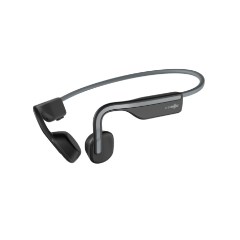
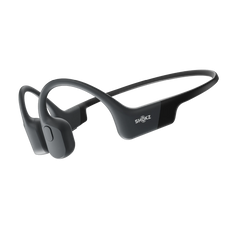
Shokz Shokz OpenRun is a lighter, more streamlined alternative if you'd rather travel with something minimal. Same open-ear, bone conduction approach, just in a slightly more pared-back package – a solid shout if you're prioritising every gram in your vest.


Final UTMB Race Day Checklist
Before you zip up your running vest and head to the start line, give your UTMB gear checklist one last look. A quick double-check now can save you from unnecessary stress later, so here's what you need:
- Trail running shoes, broken in, sturdy, and fully enclosed,
- Running vest or pack, fitted and tested with a full load,
- Hydration system meeting minimum carry requirements,
- Nutrition and energy gels, all pre-tested in training,
- GPS watch, charged and route loaded,
- Mandatory safety kit including head torches, survival blanket, warm layers, whistle,
- Open-ear sports headphones, like the Shokz OpenRun Pro 2 or OpenRun,
- ID, race bib, and any required documentation,
- A mental game plan for the low points, because there will be some.
Ready for Race Day?
UTMB rewards preparation, patience, and gear that has already proven itself in training. From mandatory safety equipment to the small comforts that help you stay focused through long climbs and late-night miles, every item in your vest should earn its place. If audio is part of your race-day strategy, open-ear headphones can help keep motivation high without closing you off from the trail.
For runners looking for a secure, long-lasting option, Shokz OpenRun Pro 2 and OpenRun are both strong choices to test during training before race day arrives.
FAQs
What is the mandatory equipment list for UTMB?
UTMB's mandatory kit covers safety essentials like two head torches with spares, a survival blanket, a waterproof jacket and overpants, warm layers, a running vest to carry it all, and minimum water and food reserves.
Are headphones allowed during UTMB?
Yes. UTMB's rules allow runners to listen to music through earphones, provided it's done safely, though earphones must come out at road crossings and around checkpoints or safety staff. Open-ear headphones make this much easier.
How do I prepare for UTMB race day?
If you are wondering how to prepare for the UTMB race day beyond training your legs, make sure to test every piece of gear in advance, such as shoes, vest, nutrition, and anything electronic. Race day is not the time to try something new.
What headphones work best for long-distance running events like UTMB?
Open-ear, bone conduction headphones tend to be the top choice for ultra-distance events, since they let you enjoy audio without losing awareness of the trail. The Shokz OpenRun Pro 2 is a popular option thanks to its long battery life and secure, all-day fit.