

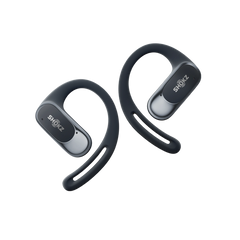
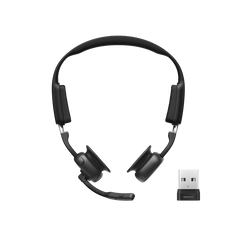
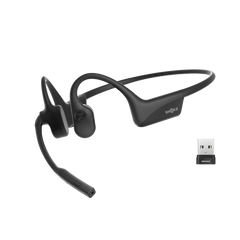

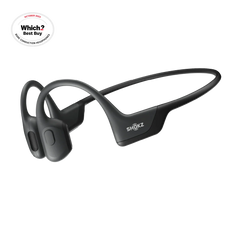
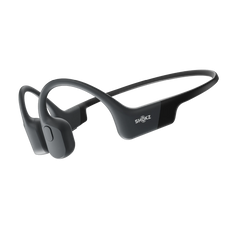

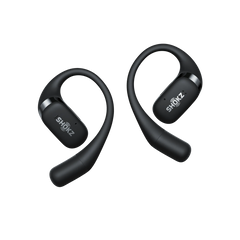


If your mental image of open-ear headphones is still "gear for marathon runners," it's worth updating. Walk through any office, university campus or coffee queue and you'll spot them on people who never go near a treadmill: students, commuters, people mid-call between meetings. The audience buying these has broadened, and it's broadened in some fairly specific directions worth understanding.
A Younger, More Engaged Audience

Compared with over-ear or in-ear buyers, open-ear users skew a little younger overall. This summer, we partnered with NielsenIQ on a global whitepaper — surveying more than 5,000 consumers across the US, UK, France, Germany, Japan and South Korea, and the age gap was one of the clearest patterns in the data: 18 to 24 year olds make up 19% of the open-ear user base, compared with just 13 to 14% for over-ear and in-ear. Across genders, the open-ear base splits 60% male and 40% female, compared with 55/45 for over-ear and 57/43 for in-ear.
What stands out more than the age or gender split, though, is how much this group actually uses their headphones. 64% of open-ear owners wear them for more than two hours a day, ahead of over-ear (57%) and in-ear (54%). A design built specifically for long, comfortable wear tends to actually get worn for longer, and the data backs that up.
More White-Collar Than You'd Expect

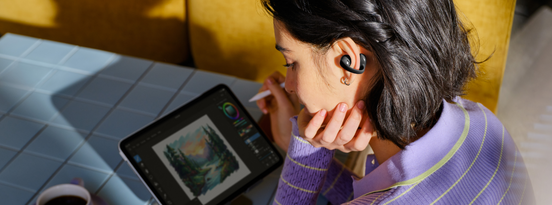
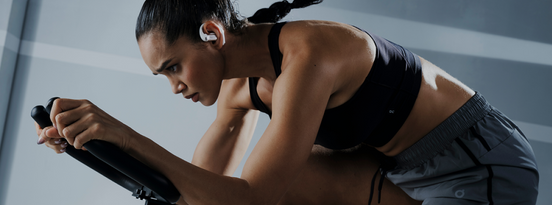
Sport is still the single biggest reason people reach for open-ear headphones day to day, and that hasn't changed. What has changed is who's buying them in the first place. 30% of open-ear users are office employees by profession, compared with 22% for over-ear and 28% for in-ear, and professionals make up 14% of the base, again the highest share of the three types. Open-ear headphones used to be bought almost exclusively by people who ran or cycled. Increasingly, the person buying them spends most of their day at a desk, even if sport is still what they use them for most.
One quality consultant in her fifties, who wears a mix of Shokz models throughout her day, described relying on them precisely because they let her stay present at home: with sealed headphones on, she'd sometimes miss her elderly parents calling for help, or fail to notice her partner speaking to her from across the room. It's a small, specific reason to switch, but it's exactly the kind of everyday, non-athletic use case that's quietly become more common alongside sport.
Here's the full picture at a glance:
Source: 2026 NielsenIQ x Shokz global consumer survey.
Meet the 18-24 Audience
Zoom into the youngest segment and the picture sharpens further. Within open-ear's 18 to 24 age group, the gender split is 58% male and 42% female, and the largest occupational group is white-collar workers at 27%, followed by students at 16%. This isn't a niche of teenagers experimenting with a trend. It's young working adults treating open-ear headphones as a daily tool: 68% of this group use their headphones for more than two hours a day.
Their relationship with headphones goes deeper than casual ownership, too. When asked to describe their attitude toward headphones as a category, 44% said they're more passionate about them than most people, and 39% said friends regularly ask them for advice before buying their own pair. One 24-year-old legal assistant surveyed as part of the research put it plainly: she sees open-ear headphones as still new enough to be a bit of a discovery, and has largely replaced every other headphone type across her day, wearing hers for hours at a stretch, whether she's working out, sitting at her desk, or simply needing to hear if someone walks up to talk to her.
Why They Buy, and Why They Switch

Across the whole open-ear user base, one factor decides the purchase more than any other. Wearing experience is the top purchase priority for 28% of open-ear buyers, ahead of sound quality (19%), how easy the headphones are to carry (14%) and durability (13%).
The same theme shows up in reverse in why people leave other headphone types behind. Among people switching away from over-ear headphones, a recurring complaint is that they were simply too heavy and tiring to wear for long stretches. One engineer in his thirties, who switched to an ear-hook style specifically for cycling, explained it in terms of trust: he didn't want to worry about a headphone slipping out from under his helmet strap or getting knocked loose mid-ride, and a more secure open-ear fit solved that anxiety entirely.
Among people switching away from in-ear headphones, overheating and sweating during use, along with a seal that doesn't stay secure, come up just as often. In both cases, it's rarely about sound quality. It's about what the headphones felt like after an hour or two, which is exactly the problem this audience has been solving for itself by switching to open-ear.
Sound Like You?
If you recognise yourself in any of this, whether that's the 18 to 24 crowd already sold on the category, or simply someone tired of headphones that stop being comfortable by lunchtime, you're not an edge case. You're the profile this category has been built around. We've spent over a decade designing for that shift, from lightweight ear-hook designs for the office to bone conduction built for sport, and if comfort has been the thing holding you back from open-ear until now, this is probably a good time to actually try it.
Frequently Asked Questions
Are open-ear headphones only for people who exercise?
No. While sport remains the biggest single use case for open-ear headphones, the data shows open-ear buyers are more likely to be office workers and professionals by occupation than buyers of over-ear or in-ear headphones. It's a sport-first product that's increasingly bought by people who aren't primarily athletes.
Why do open-ear users skew younger than other headphone buyers?
It's partly generational. Younger buyers, particularly 18 to 24 year olds, are more open to trying new headphone types and place more value on comfort in what they buy. Combined with heavier daily headphone use overall, that makes them a natural early audience for a category built around long, comfortable wear.
Do people who switch to open-ear usually come from over-ear or in-ear headphones?
Both, for slightly different reasons. People leaving over-ear headphones most often cite them being too heavy or tiring to wear for long periods. People leaving in-ear headphones more often mention overheating, sweating or a seal that doesn't stay secure. In both cases, comfort is the deciding factor rather than sound quality.
Do more open-ear buyers work in offices than in other headphone categories?
Yes, by occupation: 30% of open-ear users are office employees, the highest share of the three headphone types. That's a statement about who's buying them, though, not about where they're used most. Sport still accounts for the largest share of actual usage.