




Quick Answer
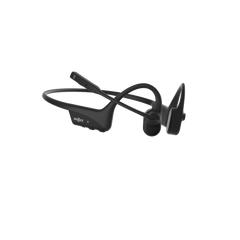
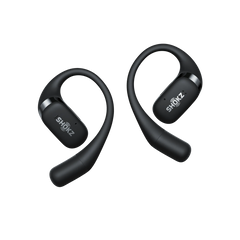
Bone conduction headphones rest against your cheekbones and transmit sound through vibrations, leaving your ear canals completely unobstructed while cycling.
- Open-Ear Design: No in-ear tips, ensuring long-wear comfort without canal pressure.
- Stable Fit: Wraparound design stays secure during movement, climbs, and head turns.
- Weather & Battery: Reliable water resistance and battery life built for active outdoor training.
Top Choices: Shokz OpenRun Pro 2 (Up to 12 hrs, for long rides) | Shokz OpenRun (Up to 8 hrs, for everyday training)
Introduction
Cycling is a little different from simply putting on a pair of headphones and heading out. You might spend an hour on the bike, several hours on a weekend ride, or move between quiet cycle paths and busier roads along the same route.
Bone conduction headphones take a different approach from conventional earbuds. They sit against the cheekbones rather than inside the ears, leaving the ear canals open while you listen.
So, what does that actually mean when you're cycling? In this guide, we'll look at what makes bone conduction headphones different, how they fit into different types of rides, and how OpenRun Pro 2 and OpenRun compare.
Table of Contents
- • Why Use Bone Conduction Headphones for Cycling?
- • What Makes Bone Conduction Headphones Different for Cycling?
- • Bone Conduction for Different Cycling Experiences
- • Which Shokz Bone Conduction Headphones Are Right for Cycling
- • Getting the Most from Bone Conduction Headphones on Your Bike
- • Final Thoughts
- • Frequently Asked Questions
Why Use Bone Conduction Headphones for Cycling?

A cycling route can change quite a lot as you ride. You may start on a quiet residential street, move onto a cycle path and then spend part of the journey alongside traffic. The experience is also different depending on whether you're heading out for a short training session or spending most of the day on the bike.
Bone conduction Cycling headphones are designed around this kind of outdoor use. The transducers sit against the cheekbones instead of relying on an earbud inside the ear canal, so your ears remain open while you listen. For cyclists, that's a useful difference from traditional in-ear headphones and one of the main reasons bone conduction has become a popular choice for riding.
What Makes Bone Conduction Headphones Different for Cycling?
The biggest difference between bone conduction and conventional earbuds is not simply how the headphones look. It's how they deliver sound and how they sit on your head. Those differences can become more noticeable the longer you spend on the bike.

Nothing Inside Your Ears
With conventional earbuds, the ear tips sit inside the ear canal and hold the headphones in place. Bone conduction headphones take a different approach: the transducers rest against the cheekbones, so there is nothing sitting inside the ear.
For cyclists, this can be useful on longer rides. Instead of having an in-ear tip in place for several hours, you can listen without that added pressure inside the ear canal. It also means you don't have to keep adjusting an earbud if it starts to feel uncomfortable during a long ride.
A Fit Designed for Movement
Cycling isn't completely static. You might turn your head to check the road, change your riding position or stand on the pedals on a climb. Headphones therefore need to stay comfortable while you're moving, rather than only feeling secure when you're sitting still.
Bone conduction headphones use a wraparound design that sits around the back of the head. They don't rely on the ear canal to hold them in place, giving them a different type of fit from traditional earbuds. As with any headphones, the best fit depends on the individual, so it's worth trying them with your usual riding position and cycling gear before a longer trip.
Sound Without Sealing the Ear
In-ear headphones can create a sealed or partially sealed feeling because the ear tips sit inside the ear canal. Bone conduction headphones leave the canal open and use vibrations to deliver sound instead.
For outdoor activities, that can make the listening experience feel less enclosed. On a bike, you're also moving between different environments throughout the ride, from quieter paths to busier sections of road, so an open-ear design offers a different way to listen compared with conventional earbuds.
Made for More Than the Ride
Your ride doesn't necessarily end when you get off the bike. You might stop for a coffee, meet friends along the route or take a short break before continuing. Having headphones that don't sit inside your ears can make them easy to keep wearing between sections of a ride.
That makes bone conduction headphones a natural fit for cyclists who want one pair for the whole outing, rather than headphones that are only comfortable while they're actually riding.
Bone Conduction for Different Cycling Experiences

The type of cycling you do can change what matters most from a pair of headphones. A short training ride doesn't place the same demands on headphones as a long-distance road ride, so it's worth looking at bone conduction in the context of how you actually ride.
Bone Conduction Headphones for Road Cycling
Road cycling often involves longer periods on the bike, with a mixture of faster sections, climbs and stops. Over several hours, comfort becomes more noticeable than it might on a short ride, particularly if you're not used to wearing headphones for extended periods.
Because bone conduction headphones sit outside the ear canal, they offer an alternative to in-ear earbuds for riders who don't want something inside their ears throughout a long route. Battery life is another practical consideration, especially if your rides regularly last several hours.
Bone Conduction Headphones for Long-Distance Cycling
For long-distance cycling, small details can make a bigger difference. A headphone that feels fine for 30 minutes may not feel the same after several hours, which is why some cyclists prefer a design that doesn't put pressure inside the ear.
Battery life also becomes more important as the distance increases. A pair that can cover the whole ride reduces the need to think about charging along the way, while quick-charge support can be useful if you need some extra listening time before setting off or during a stop.
Bone Conduction Headphones for Weekend and Leisure Rides
Weekend cycling can be much less predictable. You might head out for a couple of hours, explore a new route and stop somewhere along the way before carrying on.
For this kind of riding, bone conduction headphones provide an easy way to listen to music or podcasts without putting earbuds inside your ears. The same headphones can stay with you when you stop at a café or meet friends, so there's no need to switch between different headphones throughout the day.
Which Bone Conduction Headphones Are Right for Cycling?
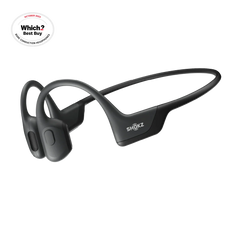
OpenRun Pro 2: For Longer and More Demanding Rides


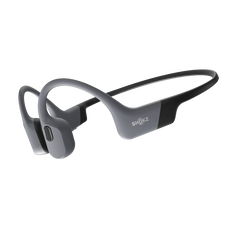
For cyclists who regularly spend several hours on the bike, OpenRun Pro 2 combines bone conduction with air conduction through Shokz's DualPitch technology.
The practical specifications also make it suited to longer rides. It offers up to 12 hours of battery life, while a 5-minute quick charge provides up to 2.5 hours of listening. The headphones have an IP55 water-resistance rating and use an open-ear, wraparound design.
That combination makes OpenRun Pro 2 particularly relevant for longer road rides, extended weekend routes and training sessions where you may be away from a charger for most of the day.
OpenRun: For Everyday Cycling and Training


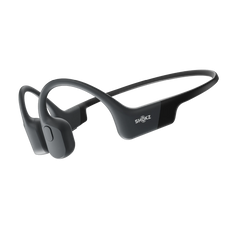
For shorter rides and regular training, OpenRun offers a more straightforward bone conduction option. It uses Shokz's 8th-generation bone conduction technology and provides up to 8 hours of battery life.
It also supports a 10-minute quick charge for up to 1.5 hours of listening and has an IP67 water-resistance rating. Like OpenRun Pro 2, it uses an open-ear, wraparound design rather than placing earbuds inside the ear canal.
For cyclists whose typical rides fit within an eight-hour listening window, OpenRun provides the core bone conduction experience without the additional battery capacity of OpenRun Pro 2.
OpenRun Pro 2 vs OpenRun for Cycling
| Feature | OpenRun Pro 2 | OpenRun |
|---|---|---|
| Best suited to | Longer rides, road cycling and extended training | Everyday cycling and shorter training |
| Technology | DualPitch bone + air conduction | 8th-generation bone conduction |
| Battery life | Up to 12 hours | Up to 8 hours |
| Quick charge | 5 min = up to 2.5 hours | 10 min = up to 1.5 hours |
| Water resistance | IP55 | IP67 |
| Design | Open-ear, wraparound | Open-ear, wraparound |
The main difference for cyclists is the type of ride you're planning. If you regularly spend several hours on longer routes, the additional battery life of OpenRun Pro 2 can be useful. For everyday cycling and shorter training sessions, OpenRun provides up to eight hours of listening and the same general wraparound approach.
Getting the Most from Bone Conduction Headphones on Your Bike
Once you've chosen your headphones, a few simple things are worth checking before heading out.
Start with the fit. Try your headphones with your usual cycling helmet and glasses, as both can affect how a wraparound design feels around your head. It's better to make small adjustments before you start riding than to discover a problem halfway through a longer route.
It's also worth checking the battery before a long ride. If you're heading out for several hours, make sure you have enough charge for the journey, and take advantage of quick charging if you need a last-minute boost.
Finally, keep the volume at a sensible level and avoid adjusting your headphones while riding. If you're approaching a busy junction, dealing with difficult conditions or need to concentrate on an unfamiliar section of your route, pausing your audio can be the simplest option.
Final Thoughts
Bone conduction headphones offer cyclists an alternative to traditional in-ear earbuds, with the ear canals left open and no earbuds sitting inside the ears.
For longer rides, OpenRun Pro 2 offers up to 12 hours of battery life, while OpenRun provides up to 8 hours for everyday cycling and training. The right choice comes down to how you ride and what feels most comfortable for you.
Frequently Asked Questions
Are bone conduction headphones good for cycling?
They can be a practical option for cycling because they sit outside the ear canal and leave the ears open. Their wraparound design also provides a different fit from conventional in-ear earbuds.
What are the best bone conduction headphones for cycling?
The right model depends on how you ride. OpenRun Pro 2 offers up to 12 hours of battery life and is suited to longer rides, while OpenRun offers up to 8 hours for everyday cycling and training.
Can you wear bone conduction headphones with a cycling helmet?
Bone conduction headphones use a wraparound design that sits around the back of the head, so they can be worn with many cycling helmets. However, helmet shapes and head sizes vary, so it's worth checking the fit with your own helmet before heading out on a longer ride.
Are bone conduction headphones comfortable for long-distance cycling?
They can be an alternative to in-ear headphones for longer rides because they don't use ear tips inside the ear canal. Individual comfort will still depend on the fit, as well as factors such as your helmet and glasses.
Are bone conduction headphones suitable for cycling in the rain?
Some bone conduction headphones are designed with water resistance for active use. Shokz OpenRun has an IP67 rating, while OpenRun Pro 2 has an IP55 rating. Check the specific product guidance before using headphones in wet conditions.
What is the difference between OpenRun Pro 2 and OpenRun for cycling?
Both use an open-ear, wraparound design, but there are differences in their technology and battery life. OpenRun Pro 2 combines bone and air conduction through DualPitch technology and offers up to 12 hours of battery life, while OpenRun uses 8th-generation bone conduction technology and offers up to 8 hours.
For longer rides, the additional battery life of OpenRun Pro 2 can be useful. For everyday rides and shorter training sessions, OpenRun provides a shorter listening window.