




-
Can Earbuds Really Cause an Ear Infection?
-
Warning Signs Your Earbuds May Be Causing an Ear Infection
-
Common Causes of Ear Infections from Earbuds
-
How to Prevent Ear Infections While Using Earbuds
-
Are There Safer Alternatives to Traditional Earbuds?
-
What to Do If You Suspect an Ear Infection
-
Frequently Asked Questions
Most people barely think twice before reaching for their earbuds first thing in the morning. They use them during commute, through back-to-back calls, during workout sessions, and so on. But if your ears have been feeling sore, itchy, or if you’ve been experiencing ear pain, your earbuds might have something to do with it.
This article covers how earbuds can contribute to an ear infection, the warning signs to look out for, and what you can actually do about it.
Can Earbuds Really Cause an Ear Infection?
No, earbuds cannot directly cause ear infections. Earbuds don't produce bacteria out of thin air. But the way they interact with your ear canal can create the right conditions for bacteria to thrive.
When you push a bud into your ear, you essentially block off the canal. That traps heat, moisture, and whatever is already sitting on the surface of the earbud inside a small, warm space. Bacteria love exactly that kind of environment. Over time, or even after a single sweaty workout, the situation can tip from "mildly uncomfortable" to a full ear infection.
Warning Signs Your Earbuds May Be Causing an Ear Infection
Early Symptoms
The earliest signs are easy to dismiss. You might notice a bit of itching inside the ear canal, or a vague sense of irritation that you chalk up to the earbud fit. There may also be slight redness around the entrance to the canal.
At this stage, a few days off the earbuds and some good hygiene practices are often enough to stop things from progressing.
Progressive Symptoms
If you push through the early signs and keep using your earbuds, symptoms typically get worse. You might start feeling pain, particularly when you touch or press on your ear. You might notice some fluid discharge or a muffled quality to your hearing.
These are the signs of an ear infection that has moved beyond mild irritation. At this point, it is worth seeing a pharmacist or GP.
Severe Symptoms
The more serious signs of an ear infection in adults include sharp or persistent pain, visible swelling inside or around the ear canal, a fever, and significant hearing loss. If any of these show up, stop using earbuds immediately and see a doctor. Do not try to manage this with over-the-counter drops alone.

Common Causes of Ear Infections from Earbuds
Knowing what causes the problem makes it easier to avoid. Here are some common causes of ear infections from earbuds usage:
-
Poor earbud hygiene: Earwax, skin cells, and bacteria accumulate on the surface of earbuds, and most people do not clean them anywhere near often enough. Every time you put them back in, you are reintroducing that build-up directly into your ear canal.
-
Sharing earbuds: Even if both people appear healthy, swapping earbuds transfers bacteria from one person's ear to another. It is an easy habit to drop.
-
Using earbuds during workouts: Sweat increases moisture in the ear canal, and the combination of heat and dampness is precisely what bacteria need to multiply. The longer the session, the worse the conditions become.
-
Wearing earbuds for too long without a break: Doing this does not give the ear canal any time to breathe or dry out. Most doctors recommend limiting continuous use to one to two hours at a stretch.
-
Tight-fitting earbuds: A snug silicone tip might feel secure, but it also seals the canal shut, compresses earwax deeper inside, and accelerates moisture build-up. The tighter the seal, the fewer chances the ear has to stay dry and ventilated.
How to Prevent Ear Infections While Using Earbuds
Clean Your Earbuds Regularly
A wipe down with 70% isopropyl alcohol at least once a week is a good minimum. If you use them for exercise, clean them after every session. If your earbuds have removable silicone tips, take those off, clean them separately, and let everything dry completely before putting them back in.
Keep Your Ears Dry
After a workout or a shower, give your ears time to air out before you reach for your earbuds. You can pat gently with a clean towel to remove surface moisture, but avoid digging around in there.
Limit Continuous Usage
Take regular breaks, ideally every hour or so. It sounds basic, but it gives your ear canal a chance to ventilate and helps prevent the moisture build-up that leads to infection.
Choose the Right Fit
Earbuds that are too large can press against the canal walls and cause abrasions. Too small, and they create a loose seal that still traps moisture without sitting securely. If a certain tip size leaves your ears feeling tender or sore, try a different one.
Are There Safer Alternatives to Traditional Earbuds?
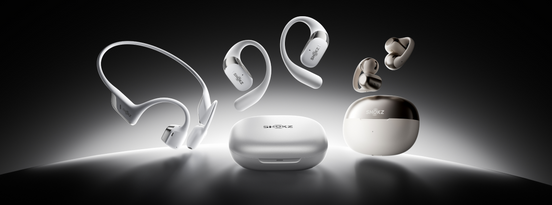
This is where open-ear clip-on earbuds become the smart option. In-ear earbuds sit inside the canal, trapping heat and moisture and creating a thriving environment for bacteria. Open-ear alternatives sit outside it entirely, which means the canal stays uncovered and can breathe normally throughout use. There is no seal to trap moisture, no pressure on the canal walls, and far less direct contact with the sensitive skin inside.
The Shokz OpenDots ONE is a good example of how this works in practice. Rather than pressing into the ear canal, it uses a clip-on design that sits neatly against the outer ear. The Shokz JointArc™ mechanism holds the earbud in place with a titanium alloy plate and soft silicone, so it stays secure without pushing inward at all. There are no silicone tips to trap wax, no tight seals to block airflow, and the canal remains completely open throughout the listening session.


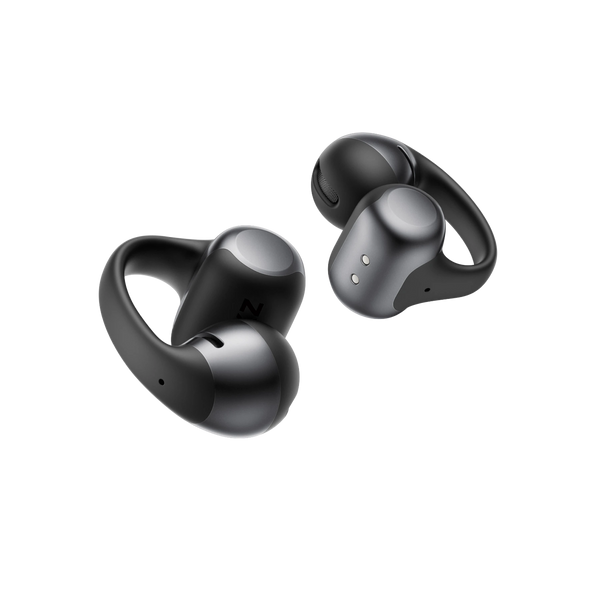
The OpenDots ONE also comes with Bassphere™ technology for detail-rich sound and supports Dolby Audio through the Shokz app, so you are not giving up audio quality in exchange for a healthier fit. With up to 10 hours of playback per charge and up to 40 hours combined with the case, it handles all-day use without needing to worry about your ears paying the price.
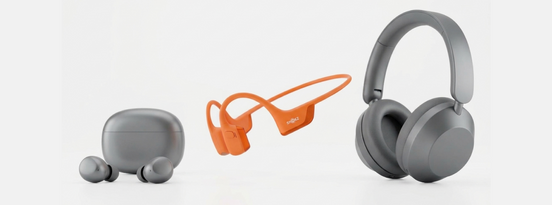
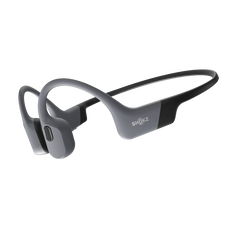
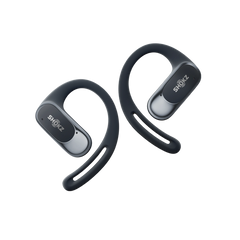
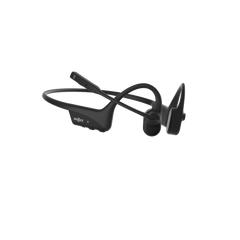
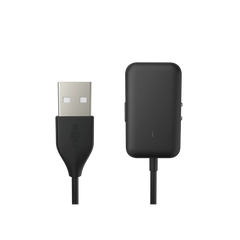
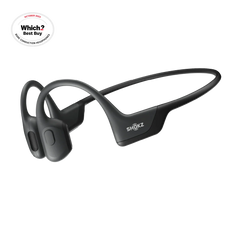
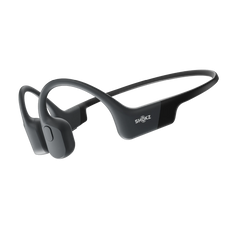
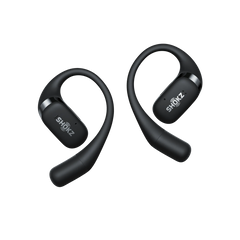
If you are more of an active listener, the Shokz OpenFit 2+ takes a similar open-ear approach with hook-style ear clips and IP55 water resistance for workouts. For runners looking for something purpose-built for sport, the OpenRun Pro 2 uses bone conduction technology that bypasses the ear canal by transmitting sound through the cheekbones. It is particularly popular among runners who want breathable headphones that do not interfere with ear health.
What to Do If You Suspect an Ear Infection
-
Stop using earbuds as soon as symptoms appear. This is the most important step. Continuing to use them while your ear is already irritated slows recovery and can make things considerably worse.
-
Do not insert anything into the ear canal, including cotton buds. The temptation to clean things out is understandable, but it usually pushes the problem deeper.
-
Over-the-counter pain relief like ibuprofen or paracetamol can help manage an earache while your body starts to recover. Warm compresses held gently against the outside of the ear can also ease discomfort.
-
See a doctor if the pain lasts more than a few days, if there is any discharge from the ear, if you notice significant hearing loss, or if a fever develops. Outer ear infections are usually treated with antibiotic or antifungal ear drops, depending on the cause, and most clear up within a week or two with the right treatment.

Frequently Asked Questions
Can cleaning earbuds prevent an ear infection?
It significantly lowers the risk. A weekly clean with isopropyl alcohol removes the bacteria and wax build-up that accumulate with regular use. It will not eliminate the risk, since factors like moisture and tight fit also play a role, but it is one of the most straightforward preventive steps you can take.
How often should I replace my earbuds?
There is no fixed rule, but most earbuds start to degrade after two to three years. If the silicone tips are cracking, worn, or no longer cleaning up properly, you can replace those while still using the earbuds themselves. Damaged tips are harder to clean and tend to fit less securely, both of which raise infection risk.
Can I use earbuds again after an ear infection?
Wait until you have fully recovered and been given the all-clear. Once your ears are back to normal, switching to an open-ear design and keeping on top of cleaning is a sensible way to avoid a repeat. Going back to tight-fitting in-ear buds without changing anything is likely to land you in the same situation before long.