







More people are riding bikes in UK cities than at any point in decades, and the appeal is obvious. Cycling is often the fastest way across town; it costs pennies once you own a bike, and it folds exercise into time you were going to spend travelling anyway.
It can also look intimidating from the outside. With traffic, junctions, one-way systems, city cycling for beginners can seem like a lot to take in, and most new riders share the same worries about staying safe.
The reassuring truth is that urban riding is a skill you can build deliberately. This city cycling guide covers what makes riding in town different, how to pick beginner-friendly routes, the gear you need, and the habits that keep you safe.
Introduction to City Cycling: What Sets Urban Riding Apart
Riding in a city is different from a spin along a country lane or a traffic-free trail. The distances are usually shorter and the ground flatter, but far more is happening around you, and it changes by the second.
- Traffic and junctions: You share space with cars, buses, and lorries, and most of the decisions that matter happen at junctions rather than on open road.
- Stop-start rhythm: There are a series of short efforts when riding in the city with lights, crossings, and queues. It is very forgiving of modest fitness.
- Pedestrians and parked cars: People step off kerbs, car doors open, and delivery vans stop wherever they like. Urban riding is largely the art of reading what is about to happen.
- Infrastructure on your side: UK cities keep adding protected cycle lanes, quiet routes, and hire bike schemes, so the network supporting new riders grows every year.
What this requires is having a strategy. Ride familiar streets, learn the patterns, and city cycling turns from stressful to routine surprisingly quickly.

How to Choose the Right Route for City Cycling
New drivers do not learn on motorways, and new cyclists should not learn on the busiest road in town. Route choice is the single biggest thing a beginner controls, and a good route does more for your confidence than any accessory.
- Prioritise quiet over quick: A route that takes ten minutes longer through residential streets and back lanes is the better route while you build experience. Speed comes later.
- Use traffic-free sections where you can: Parks, canal towpaths, and protected cycle lanes give you relaxed miles. Many UK cities publish cycle maps showing them, and most route planning apps have a quiet-route option.
- Do a practice run: Ride a new commute on a Sunday morning first, when the roads are calm. You will learn the awkward junctions without any pressure.
- Learn one route properly: Master a single A-to-B before adding variations. Familiarity frees your attention for traffic rather than navigation.
- Give yourself outs: There is no shame in hopping off and walking a nasty junction on the pavement. Plenty of experienced riders do exactly that.
Essential City Cycling Gear for Beginners
Any roadworthy bike works for city riding, though flat-barred hybrids are the popular choice for their upright, watchful position. From there, the essentials are a short list:
- Lights and reflectors: The one legal must. In the UK, you are required to have a white front light, a red rear light, and reflectors when riding after dark. Keep a charged set clipped on even if you plan to be home by dusk.
- A solid lock: Unless you have secure parking at both ends, a hardened D-lock rated Sold Secure Silver or above is the sensible minimum in most UK cities.
- A helmet: Not a legal requirement in the UK, but recommended in the Highway Code, and modern ones are light and well ventilated. It provides peace of mind while you learn.
- Weatherproof layers: With a packable waterproof jacket and a set of mudguards, you’d still be able to ride on rainy days.
- Puncture kit: A small saddle can help you carry a mini pump, tyre levers, and a spare tube. Learning to fix a flat takes one video and one mildly frustrating afternoon.
That list covers your first months. Extras such as panniers, a phone mount, and headphones designed for riding can follow once the habit sticks.
Safety Tips Every New City Cyclist Should Know
Most city cycling safety comes down to positioning, predictability, and awareness. These are some habits to keep in mind:
- Claim your space: Ride about a metre out from parked cars and the kerb. It keeps you clear of opening doors, makes you easier to see, and the Highway Code backs riding centrally on quiet roads.
- Stay out of lorry blind spots: Never wait up the inside of a lorry or bus at a junction. Hold back, or move ahead to where the driver can clearly see you.
- Signal early and make eye contact: Clear hand signals and a glance at drivers before you move makes who is doing what clear.
- Slow earlier in the wet: Braking distances grow on wet roads, and painted lines and metal covers turn slippery. Ease off sooner and corner gently.
- Be predictable: Hold your line, avoid weaving between parked cars, and check over your shoulder before moving out. Drivers cope well with cyclists they can anticipate.

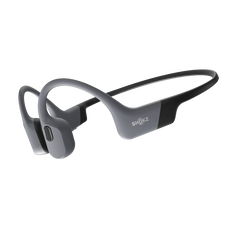
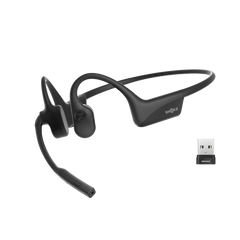
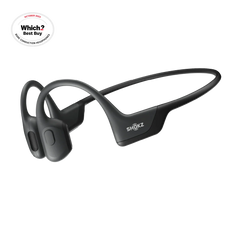
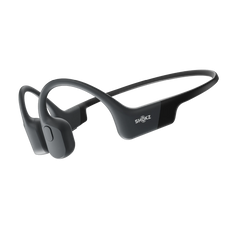
Awareness includes your ears. Plenty of riders like music or a podcast on the commute, and the safe way to have it is with open-ear headphones rather than sealed earbuds. A bone conduction design such as the Shokz OpenRun Pro 2 rests just in front of your ears and sends sound through your cheekbones, so engines, sirens, and bike bells stay perfectly audible over your audio.
It comes from the Shokz sports range, so the practical details suit riders too:
- A secure 30.3g wraparound frame that sits comfortably alongside a helmet
- An IP55 rating for British weather
- 12 hours of battery, and with quick charge giving 2.5 hours when you forget to plug it in
Wearing headphones while cycling is not illegal in the UK, but staying able to hear the road is what keeps it sensible, and open-ear designs exist to square that circle.


Frequently Asked Questions About City Cycling
Is city cycling safe for beginners?
Yes, with sensible choices. Picking quiet routes, positioning yourself away from parked cars, and staying out of lorry blind spots removes most of the common risks. Confidence builds quickly, and most new riders find their regular route feels routine within a few weeks.
What do I need to start city cycling?
A roadworthy bike, a white front light and red rear light for riding after dark, and a decent lock. A helmet is recommended though not legally required in the UK. Waterproofs, mudguards, and a puncture kit make daily riding easier, and everything else can wait until you know how you like to ride.
How do I choose a beginner-friendly cycling route?
Choose quiet residential streets, protected cycle lanes, and traffic-free paths, even when they are less direct. Check your city’s cycle map or the quiet option on a route planner, then test-ride it at a calm time of day. Once one route feels easy, add alternatives gradually.
Can I listen to music while cycling in the city?
It is not illegal in the UK, and with the right headphones it can be done sensibly. Open-ear and bone conduction designs leave your ears uncovered, so traffic and sirens stay audible over the music. Sealed, noise-cancelling earbuds are the type to avoid in traffic.