




Whether you're cycling to work, heading out for a weekend ride or training for a longer challenge, the right headphones can make your time on the bike more enjoyable. But cycling calls for more than good sound quality. A secure fit, comfortable design and the ability to stay aware of what's happening around you all matter.
That's why open-ear headphones are a popular choice for cyclists. Shokz open-ear headphones are designed for active use, keeping your ears unobstructed while you listen to music, podcasts or navigation prompts.
In this guide, we'll look at what to consider when choosing cycling headphones and the Shokz models that suit different types of riding, from the daily commute to longer road rides.
Table of Contents
- • Why Choose Open-Ear Headphones for Cycling?
- • What to Look for in Cycling Headphones
- • Best Shokz Headphones for Cycling in 2026
- • Which Shokz Headphones Are Right for Your Ride?
- • Cycling with Headphones: A Few Practical Tips
- • Are Open-Ear Headphones Better for Cycling?
- • The Bottom Line: Choosing the Best Headphones for Cycling
- • Frequently Asked Questions
Why Choose Open-Ear Headphones for Cycling?

Cycling is different from listening to music at home or travelling by train. You're constantly moving, sharing the road or cycle path with other people, and often wearing a helmet and glasses at the same time.
Open-ear headphones take a different approach to traditional earbuds. Rather than sitting inside the ear canal, they sit outside the ears while delivering audio. This means you can listen to music or a podcast without completely blocking out the sounds around you.
Stay Aware of Your Surroundings
Being able to hear what's going on around you can be particularly useful when cycling outdoors. Traditional in-ear earbuds can reduce surrounding sounds, especially at higher volumes. With an open-ear design, your ears remain unobstructed, so sounds such as nearby traffic, other cyclists and pedestrians can still form part of your surroundings.
Of course, open-ear headphones don't replace good cycling habits. Keep the volume at a sensible level, stay focused on the road and follow the rules that apply to cycling where you ride.
Comfort for Longer Rides

A pair of headphones that feels fine for a short commute may not be as comfortable after two or three hours on the bike. Because open-ear headphones don't sit inside the ear canal, they can avoid some of the pressure associated with in-ear earbuds. A lightweight design can also make a difference on longer road rides, training sessions and weekend trips.
Fit Alongside Your Helmet and Glasses
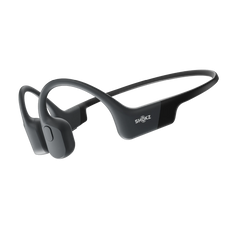
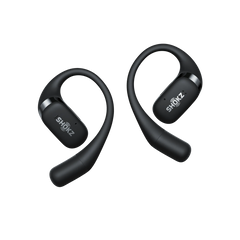
Your headphones need to work with the rest of your cycling gear. A secure, lightweight design should sit comfortably alongside your helmet straps and cycling glasses without creating unnecessary pressure. Shokz offers different open-ear designs across its range, including the wraparound fit of the OpenRun series and the ear-hook design of the OpenFit series.
What to Look for in Cycling Headphones
Once you've decided that open-ear headphones are worth considering, think about how they'll fit into your usual rides.
Secure Fit
Cycling involves plenty of movement. You might be climbing, descending, riding over uneven surfaces or looking over your shoulder, so headphones that constantly need adjusting can quickly become a nuisance. Look for a design that stays securely in place without feeling too tight.
Comfort with a Helmet

Don't just consider how the headphones feel on their own. Try to picture them as part of your complete cycling setup. If you wear a helmet and sunglasses, check where the helmet straps sit and whether the headphones create any pressure around your ears.
Water and Sweat Resistance
British weather isn't always predictable, so some level of water and sweat resistance is useful for regular outdoor cycling. You might set off on a dry morning and encounter a shower halfway through your ride, while harder sessions can leave your headphones dealing with plenty of sweat.
Battery Life & Controls
Think about the length of your usual rides rather than simply looking for the biggest battery figure. Furthermore, simple physical controls are handy when riding, especially in colder weather when wearing gloves.
Best Shokz Headphones for Cycling in 2026
There isn't one pair of headphones that will suit every cyclist. The best option depends on where you ride, how long you're usually on the bike and whether you want your headphones to work beyond cycling. Here are three Shokz open-ear models to consider:
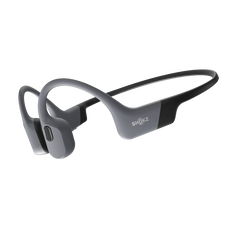
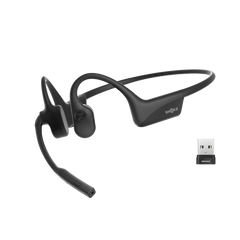
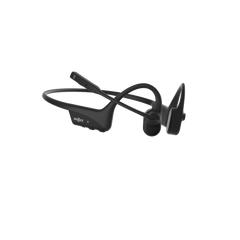
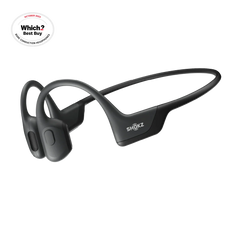
Shokz OpenRun Pro 2 – For Road Cycling and Long Rides


If you regularly spend several hours on the road, OpenRun Pro 2 is built with active use and longer listening sessions in mind.
The open-ear design keeps the ear canal unobstructed, while the secure fit is designed to stay in place during movement. Its lightweight construction also works well alongside a cycling helmet and glasses, which is useful when you're out for a longer ride.
For road cyclists, the combination of a secure fit, comfort and long battery life makes it a natural option for training rides, sportives and longer cycling challenges. There's less need to think about your headphones once you're settled into the ride.
Best suited to: Road cycling, long-distance rides, training and cycling challenges.
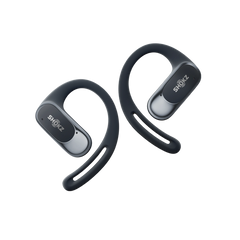
Shokz OpenFit 2+ – For Bike Commuting and Everyday Use


For many commuters, cycling is only part of the day. OpenFit 2+ features an ear-hook design providing a secure option for cycling, while the overall design is also suited to walking, working and listening throughout the day.
That makes it a practical choice if you don't want a pair of headphones specifically for cycling. You can use the same pair on the journey to work and continue wearing them once you arrive.
Best suited to: Bike commuting, urban cycling, leisure rides and everyday listening.
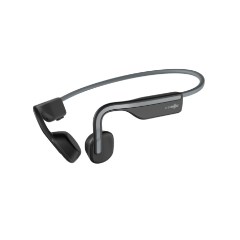
Shokz OpenRun – For Lightweight Everyday Cycling


If you prefer something lightweight for regular rides, OpenRun offers an open-ear design aimed at everyday active use during shorter rides, fitness sessions and casual weekend cycling.
It makes sense for riders who want the benefits of open-ear listening without necessarily needing a headphone designed around longer endurance rides.
Best suited to: Everyday cycling, fitness rides, shorter commutes and weekend rides.
Which Shokz Headphones Are Right for Your Ride?
Your usual type of cycling is probably the easiest way to narrow down your options:
- Cycling to work: OpenFit 2+ is ideal if you want one versatile pair for both cycling and everyday office use.
- Road cycling and training: OpenRun Pro 2 offers maximum stability, comfort, and long battery life for extended outdoor rides.
- Weekend and leisure rides: OpenRun provides a lightweight solution for casual explorations and fitness loops.
- Long-distance cycling: OpenRun Pro 2 excels when spending all day in the saddle where fit and endurance matter most.
Cycling with Headphones: A Few Practical Tips
The headphones you choose are only part of the equation. How you use them matters too.
Before setting off, check that they're sitting securely and that your helmet and glasses aren't pressing against them. If you're going out for several hours, make sure they're charged before you leave. It's also worth setting up your playlist, podcast or navigation before you start riding. That way, there's less reason to reach for your phone while you're on the move.
And while open-ear headphones leave your ears unobstructed, it's still important to keep the volume at a sensible level and pay attention to traffic, other cyclists and what's happening around you.
Are Open-Ear Headphones Better for Cycling?
Open-ear headphones can be a practical alternative to traditional in-ear earbuds for cyclists who want to listen to audio without covering or blocking their ears.
Instead of sitting inside the ear canal, open-ear headphones sit outside the ears, allowing surrounding sounds to remain audible. They can also be more comfortable during longer listening sessions. However, your riding environment, personal preference and local rules should all be taken into account.
The Bottom Line: Choosing the Best Headphones for Cycling
The best headphones for cycling are the ones that fit naturally into the way you ride.
If you're mainly a road cyclist or regularly spend several hours in the saddle, comfort, stability and battery life are likely to be high on your list. For commuting, you may prefer a versatile pair that works just as well once you're off the bike. For casual weekend rides, a lightweight and comfortable design may be enough.
Open-ear headphones offer a way to enjoy music, podcasts and navigation while keeping your ears unobstructed. Within the Shokz range, OpenRun Pro 2 is designed with longer and more active rides in mind, OpenFit 2+ suits cycling and everyday use, while OpenRun offers a lightweight option for regular riding.
Start with the type of cycling you do most often, then look for the fit, comfort, battery life and features that make sense for your rides.
Frequently Asked Questions
Are open-ear headphones good for cycling?
Open-ear headphones are a popular choice for cycling because they deliver audio without sitting inside the ear canal. This can make it easier to remain aware of surrounding sounds compared with headphones that cover or block the ears.
What are the best headphones for cycling?
The best headphones for cycling depend on how and where you ride. Road cyclists may prioritise comfort, stability and battery life for longer rides, while commuters may prefer a versatile pair that can be used throughout the day.
Can you wear headphones while cycling in the UK?
Cyclists should follow the Highway Code and any applicable local rules when using headphones. Whatever type of headphones you use, remain attentive to traffic, other road users and your surroundings.
Are bone conduction headphones good for cycling?
Bone conduction headphones are another option for cyclists who want to listen to audio while keeping their ears open. They use vibrations to transmit sound rather than placing speakers inside the ear canal.
What headphones work best with a cycling helmet?
A lightweight, secure design is generally easier to wear with a cycling helmet. Open-ear headphones can be a practical option because they don't occupy the ear canal, although comfort will depend on the specific combination of headphones, helmet and glasses.
What features should cycling headphones have?
Look for a secure and comfortable fit, good battery life, water and sweat resistance, and compatibility with your helmet and glasses. If remaining aware of your surroundings is important to you, an open-ear design is also worth considering.