





Staring at the bottom of the pool for an hour feels like a chore without a decent playlist. Most earbuds just aren't up to the task; they’ll either pack up the moment they get wet or shift about so much that you spend half your session faffing with them instead of actually swimming.
Finding the best swimming headphones is about so much more than just a waterproof mark on a website. You have to be sure they’ll actually stay put under your goggle straps and won't get wrecked by the chlorine at the local pools. You’ve also got to think about staying aware of others in a busy leisure centre lane, or staying safe if you’re brave enough for a wild swim. We’ve looked into which best waterproof headphones for swimming actually stand up to the job for British swimmers in 2026.
Part 1. What Makes the Best Headphones for Swimming for UK Swimmers
A decent pair of headphones has to handle a lot more than just a bit of splashing. The typical conditions we face in British pools or open water demand certain features that most generic brands just don't seem to get.
1. For the Local Pool: Chlorine Resistance and "Flip-Turn" Security
Most public pools use quite aggressive chlorine, which can ruin the seals on cheap headphones in a matter of weeks.
The best waterproof headphones for swimming usually feature medical-grade silicone that can actually stand up to those chemicals. You also want a proper wraparound design that stays secure even when you’re doing tumble turns, so you aren't constantly faffing with them or dealing with painful pressure points.
2. For Wild Swimming: Staying Aware of Your Surroundings
Heading out into open water brings its own set of risks. Completely blocking your ears is a bad idea when you need to hear boats or other swimmers nearby. This is where bone conduction tech comes in handy; it sits outside your ear canal, so you stay aware of your surroundings while still getting your music. For anyone wild swimming in the UK, having that extra safety is a massive deal.
3. Goggle Compatibility: Ensuring a Snug Fit with Your Gear
Goggles always take up the best spot around your ears first. If your headphones are fighting for that same space, they’ll either hurt or break the seal on your mask. You need a thinner profile or a design that sits slightly higher up so they don't interfere with your goggle straps. Getting kitted out with gear that actually fits together makes the whole session much smoother.
Part 2. 6 Best Swimming Headphones for UK Swimmers in 2026
Different swimming styles demand different solutions. From competitive lap work to casual wild water swimming, these six picks are tested against the realities UK swimmers face, which we have just mentioned.
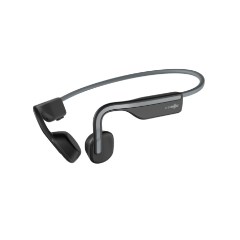
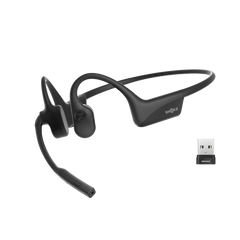
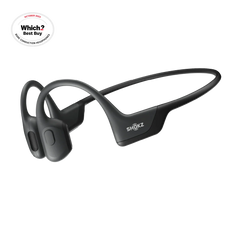
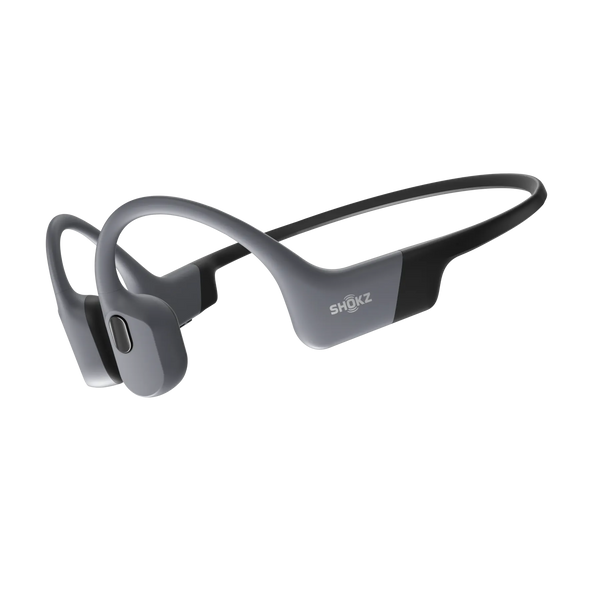
1. Shokz OpenSwim Pro: Best Overall for Most Swimmers
The OpenSwim Pro fixes the biggest headache with swimming gear by letting you switch between Bluetooth 5.4 for the gym and 32GB of local storage the moment you hit the water
It’s built for anyone who wants decent audio without losing track of their surroundings. Since it uses bone conduction, your ear canals stay clear, but the sound still feels surprisingly full thanks to the PremiumPitch 2.0+ tech. You actually get a bit of bass through the vibrations, which is rare for this type of kit.
Key features of OpenSwim Pro include:
- IP68 Waterproofing: You can take these down to 2 metres for up to 2 hours, so they’ll handle anything from pool diving to long open-water stretches.
- 9-hour Battery: You get a solid 9 hours on Bluetooth, or 6 hours in MP3 mode, which covers even the most brutal training sessions.
- 10-Min Quick Charge: A quick 10-minute plug-in gives you 3 hours of playback, a lifesaver if you forgot to charge them before heading to the pool.
- Nickel-Titanium Frame: It stays flexible even in chilly water but keeps a firm grip during your flip turns.
At just 27.3 grams, you’ll barely notice them once you start your set. The wraparound frame stays tucked out of the way, so there’s no annoying clashing with your goggle straps.


2. FINIS Duo: Best Headphone for Swimming Laps and Flip Turns
FINIS designed the Duo specifically for serious swimmers who want gear that just becomes part of their kit. This bone conduction pair clips right onto your goggle straps, so the whole thing moves as one unit.
For anyone focused on training efficiency, this setup removes all the usual variables. It’s particularly good for interval work or heavy flip-turn drills where other headphones might shift.
The Duo excels at staying secure:
- Goggle strap integration: Clips directly onto the goggles, so they aren’t moving around independently.
- IPX8 waterproof rating: Fully submersible for those long, intense sessions.
- 4GB storage: Enough room for about 1,000 tracks to keep you going.
- 7-hour battery: More than enough for most training blocks.
- Bone conduction audio: Lets you stay aware of your coach or other swimmers in the lane.
- Streamlined profile: Designed to keep drag to an absolute minimum when you’re pushing the pace.
For lap swimmers focused on training efficiency, the goggle integration removes variables. It particularly suits flip turn drills or interval work.
3. Naenka Runner Diver 2: Best for Open Water Safety and Awareness
Wild swimming in the UK demands you keep your wits about you. The Runner Diver 2 puts safety first with its open-ear design, but it’s still tough enough to handle the elements. Its real strength is how versatile it is; you can use it as your standard Bluetooth pair on the walk down to the water, then flick it over to the internal storage once you dive in.
Open water swimmers benefit from:
- IP68 waterproof certification: Built to survive saltwater, freshwater, and the lovely British weather.
- 16GB storage: Loads of space for those extended outdoor adventures.
- Bluetooth 5.3: Easy pairing with your phone for a bit of warm-up music on the bank.
- 10-hour battery: Long enough to cover even the most ambitious swims.
- Bone conduction design: Crucial for hearing boats or changes in the water around you.
- Robust construction: Can actually take a bit of rough handling in your kit bag.
The Runner Diver 2's strength lies in versatility. Use as standard Bluetooth headphones walking to spots, then switch to stored music in water.
4. H2O Audio Sonar: Best Budget Pick for Beginners
Getting into swimming music shouldn't have to cost a fortune. The H2O Audio Sonar gives you functional, waterproof sound without the premium price tag. It uses a more traditional in-ear approach with a proper seal to keep the water out. It’s a solid choice for casual swimmers doing steady laps who want to test the water before spending big on pro gear.
Budget swimmers get these essentials:
- IPX8 waterproof rating: Properly submersible for your daily swim.
- 8GB storage: Space for roughly 2,000 songs to mix up your playlist.
- Secure ear hook design: Stays in place quite well during moderate exercise.
- 6-hour battery: Perfectly fine for recreational sessions.
The Sonar suits casual swimmers doing steady laps rather than competitive training. Lower price reflects simpler construction, but handles recreational swimming adequately.
5. Suunto Aqua: Best for Long Sessions and Comfort
If you’re in the water for an hour or more, you’ll quickly find out if your headphones are uncomfortable. The Suunto Aqua uses a refined bone conduction setup that’s clearly been engineered for long-distance wear. It’s a favorite for masters swimmers and anyone doing serious distance because it avoids that "waterlogged" ear feeling you get with plugs.
Comfort-focused swimmers appreciate:
- Ergonomic titanium frame: Spreads the pressure out so they don't dig in.
- Bone conduction technology: Keeps your ears open and comfortable.
- IP68 protection: Handles being submerged for long stretches without a problem.
- 8GB storage: Plenty of variety to keep you from getting bored on a long set.
- 8-hour battery: Matches up well with long-distance training times.
The Suunto Aqua suits masters swimmers and distance enthusiasts spending significant pool time. Comfort engineering becomes apparent beyond the hour mark.
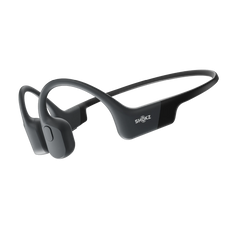
6. Shokz OpenSwim: Best for Simple Setup and Easy Music Loading
Sometimes you just want something that works without any fuss. The original OpenSwim does away with Bluetooth entirely to focus on MP3 playback. It’s perfect for swimmers who just want to drag and drop their files and get moving. There are no apps to mess with and no complicated syncing to waste your time before you get in the pool.
- IP68 waterproof rating: Offers the same top-tier submersion protection as the Pro model.
- 4GB storage: Fits about 1,200 songs, which is plenty for most people.
- 8-hour battery: Will easily last you through several sessions before it needs a charge.
- 2-year warranty: Good peace of mind regarding the build quality.
- Nickel-titanium frame: Provides that classic Shokz fit that works with almost any goggles
The OpenSwim costs less than the Pro whilst covering all the essentials for swimmers. Plug into computers, dump music files like USB drives, and swim. No apps, accounts, or complicated syncing wasting pre-swim time.

Part 3. How to Choose the Best Waterproof Headphones for Swimming
Matching the right features to your actual swimming habits is the only way to avoid paying for tech you’ll never use. You really need to weigh up these specific factors before you tap "buy."
1. Check the Waterproof Rating (IPX7 vs IPX8)
The IP rating is everything. IPX7 only covers you for 1 metre for about 30 minutes, which just isn't enough for a proper workout. For any serious swimming, an IPX8 (or IP68) rating is absolutely non-negotiable if you want the gear to actually last.
2. Decide Between Bone Conduction and In-Ear Styles
It really comes down to where you swim. Bone conduction keeps your ears open, which is a massive help for staying safe in open water. In-ear models seal things off, which might give you more bass, but they also stop you from hearing potential hazards. For UK leisure centres, either will do, but for wild swimming, bone conduction is definitely the safer shout.
3. Don't Overlook Battery Life and Charging Convenience
Your training schedule needs something practical. You want a pair that can survive a few different sessions before needing more juice. Aim for at least 6 hours of battery life as a minimum. Also, quick-charge features are a total lifesaver when you realise you’ve forgotten to plug them in the night before an early morning swim.
4. Pick One That Works with Your Music Setup
The most important thing to remember is that Bluetooth doesn't work once you’re underwater. Local music storage is the only way you’re getting audio while you lap. Before you buy, check if the headphones let you just drag and drop your files or if they force you to use some annoying, specific software.
Part 4. Care Tips to Make the Best Waterproof Headphones for Swimming Last Longer
Don't assume "waterproof" means they are indestructible. To be fair, chlorine is a total nightmare for seals and usually causes more trouble than salt ever will. Spending a tiny bit of time on basic care is the only way to avoid binning an expensive pair of headphones way too soon.
1. Rinse After Every Swim
The second you get out, pop them under a fresh water tap. You’ve got to get that chlorine or salt off before it starts eating away at the seals. Honestly, just 30 seconds of rinsing is all you need to stop any long-term damage in its tracks.
2. Dry Properly Before Charging
Plugging them in when the ports are still even slightly damp is a massive mistake. It’s a surefire way to cause corrosion and ruin the tech. Pat them down with a towel and just let them sit for an hour to air-dry properly before you go near a charging cable.
3. Store Them in a Breathable Case
Leaving wet gear in a sealed-up container is just asking for trouble. It creates the perfect environment for everything to break down. Stick them in a mesh bag or something with vents so they can actually breathe and dry out while staying protected in your kit bag.
Final Thought
The best swimming headphones are exactly what turns a tedious bit of lap counting into a properly focused training session. Whether you are out in the wild or just grinding out intervals at the local pool, having some audio is often the only thing that keeps your head in the game when your muscles start to give up.
A Shokz model is always a solid shout if you want performance that actually justifies the price tag, though some of the budget picks do the job well enough for more casual use. At the end of the day, it all comes down to picking something that fits how you actually spend your time in the water.

FAQs About the Best Swimming Headphones
1. What's the Difference Between IPX7 and IPX8?
It’s fairly simple: IPX7 is only rated for 1 metre for 30 minutes, but IPX8 is what you want for going deeper (usually 2+ metres) for much longer stints. For any real swimming, IPX8 is non-negotiable because staying underwater for a full session is just too much for IPX7 to handle.
Both the Shokz OpenSwim Pro and the original OpenSwim have that IP68 rating, so they’ll actually survive proper training rather than just a bit of splashing.
2. Do Bone Conduction Headphones Really Work in Water?
They definitely do, even if the sound feels a bit different to normal earbuds. The vibrations flick through your temple bones straight to the inner ear, skipping the water entirely.
You won't get as much bass as you would with sealed plugs, but the clarity stays spot on for most music or podcasts. Shokz kit uses better tech to balance this out compared to the cheaper brands.
3. Can I Use My Swimming Headphones in the Ocean, and What Extra Care Is Needed?
You can take IP68-rated models into the sea, but the thing is, saltwater is far harsher than chlorine. You’ve got to be really strict about rinsing them with fresh water the very second you get out of the ocean. Make sure you give the charging ports and button seals a proper look to stop any salt from eating into the tech.
4. How Long Should Swim Headphones Last?
A decent pair should last you about 2 or 3 years if you look after them. To be fair, if you are a daily pool swimmer, that chlorine is going to wear down the seals a bit sooner. You should also expect the battery to lose about 20% of its punch once you’ve done roughly 500 charge cycles.
5. Are Bone Conduction Swimming Headphones Worth It?
If you are heading into open water, absolutely, as you’ve got to stay aware of what’s going on around you. For the pool, it is a bit of a toss-up. Bone conduction is usually more comfortable and keeps you aware of other swimmers, while sealed buds give you better bass. Most serious swimmers choose bone conduction because that extra comfort is worth the trade-off.