

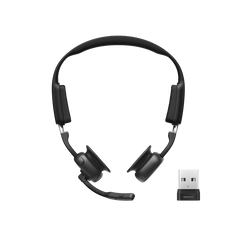
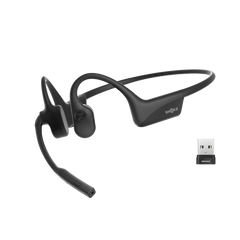




Your current earbuds probably won't even survive one burpee. They slip with sweat, fall out during jumps, and by the weights section you're faffing instead of focusing. Proper headphones for gym use aren't about flashy brands, they're about kit that stays put when you're dripping and breathless.
This guide covers seven factors first-timers miss: fit mechanics, sweat resistance, and which specs actually matter versus marketing noise.
Part 1. Secure Fit First: Get the Fit Right First for Good Headphones for Gym
Fit is the only thing standing between your earbuds surviving a session or ending up shoved in your pocket. Most people just grab what feels comfy while standing still, but stability during a heavy set is what separates good headphones for gym from expensive paperweights that never actually get used.
1. Pick the Best Ear Tip Size in Two Minutes
Give each silicone tip a proper go with some sharp head shakes. If there’s even a tiny bit of movement, go up a size. The right tip should create a decent seal without feeling like a headache. Tilt your head every which way; any looseness means you’re on the wrong size. Most folk need medium or large, rarely small—regardless of what feels "right" at first.
2. When Ear Hooks or Fins Make a Big Difference
If you’re doing anything more vigorous than a light stroll, you’ll need extra anchor points. Ear hooks help spread the pressure, so your ears don't feel battered after a long session. Fins slot into your ear's natural grooves, stopping them from rotating during burpees or jumps. Both stop that annoying sinking feeling when a bud starts sliding mid-rep.
3. Quick Movement Test Before You Commit
Don't be shy. Mimic your gym moves on the high street: star jumps, head shakes, and forward bends. It’s the only way to spot stability niggles that only crop up when you’re actually grafting.

Part 2. Sweat and Durability: Good Wireless Headphones for Gym That Survive Sweat
Sweat ruins electronics, plain and simple. Moisture corrodes the internals and eats away at the adhesives. Picking the right wireless headphones for gym that has good protection saves you from binning your earbuds and buying a new pair every few months.
1. Check IP Ratings Above IPX4
IPX4 handles light splashes, but to understand the waterproof rating, note IPX5 is the real baseline for the gym. It survives heavy sweat and those inevitable sprints home when you’re caught in a downpour. If you’re a heavy sweater, don’t settle for less.
2. Choose Materials That Do Not Get Slippery Mid-Workout
Glossy plastics are a total nightmare once you start pilling on the miles. Stick to rubberised or matte finishes that actually maintain their grip. Medical-grade silicone tips are a must; they resist the salt in your sweat, whereas cheaper materials tend to perish, harden, and crack within a few months.
3. Prioritise Secure Fit Designs That Stay Put When You Move
Stability relies on having multiple contact points. Over-ear hooks and fins work with the natural shape of your ear to lock things down. A lightweight kit is always better here, as it stops that annoying "bounce" during high-impact sets or sprints.
Part 3. Sound That Motivates: Top Rated and Good Headphones for Gym Bass
Bass drives motivation during intense sets. Many assume bigger drivers guarantee better bass, yet physics tells a different story.
1. Pick a Sound Signature That Matches Your Music Style
Electronic and hip-hop thrive on elevated bass for that driving beat. Rock and podcasts need balanced mids to keep vocals clear. Bring your actual workout playlist when testing out your kit; what sounds impressive quietly on the high street might overwhelm during treadmill sessions. Listen at volumes you'll actually use, not just background levels.
2. A Tight Seal Beats Driver Size
Driver size means nothing without a properly snug seal. Air leaks kill your music instantly. A proper seal creates the pressure differential needed for low frequencies. This is why ear tip size matters for sound quality, not just comfort.
3. Boost Bass with the App EQ
Most wireless earbuds include equaliser controls. Boost the low end by 0.5 dB for gym sessions if it’s lacking, and raise those highs for a crisp listening. Save multiple profiles to match different workout types, from heavy lifting to your local park run.
Part 4. Noise Control: Wireless and Good Headphones for Gym Safety and Focus
Complete isolation creates safety risks. You need to hear clanking weight plates, trainers' cues, and other members on the gym floor. Yet blocking some distractions helps focus.
1. Pick the Right Noise Mode for Your Workout
Active noise cancellation works for cardio on stationary equipment. Switch to transparency mode for free weights as it pipes in environmental sound for safety whilst keeping music audible.
2. Avoid Wind and Gym Noise Without Overblocking Everything
Gym HVAC systems create a constant drone that muddies music. Moderate ANC cuts this whilst letting through needed sounds. Maximum isolation makes you oblivious and genuinely dangerous in a busy space.
3. Stay Aware for Safety in Shared Spaces
Free weights demand spatial awareness. Keep one ear open or use transparency features. Your playlist isn't worth a preventable injury from missing warning shouts or a spotter's instructions.

Part 5. Bluetooth Connection: Top Rated Wireless Headphones for Gym Bluetooth Reliability
Dropouts mid-set destroy momentum. Connection stability depends on the Bluetooth version and interference management.
1. Choose Bluetooth 5.2 or Newer
When looking for wireless headphones for working out, Bluetooth 5.3 maintains stable connections where dozens of devices compete for bandwidth.Older versions struggle in busy gyms, causing stuttering and disconnects. The difference becomes obvious during peak times when everyone’s phone and smartwatch are broadcasting simultaneously. Connection range also improves, though your phone usually needs to be nearby on the gym floor rather than tucked away in a locker.
2. Check Codec Support Only If You Care About Sound Detail
The basic SBC codec works fine for most. AAC improves quality slightly on iPhones. AptX matters mainly for Android users noticing compression artifacts. Don't pay a premium for codecs you won't notice.
3. Choose Multipoint If You Switch Between Phone and Laptop
Multipoint pairing connects to two devices simultaneously letting you answer calls whilst paired to a laptop without manual switching. Handy if you're fitting in a session during your lunch break.
Part 6. Easy Controls: Good and Wireless Headphones for Gym Hands-On Use
Physical buttons consistently beat touch controls when things get sweaty. You need precision with slick fingers, especially whilst trying to keep your pace on the treadmill.
1. Buttons vs Touch Controls for Gym Use
Touch panels tend to misfire the moment moisture hits them. You'll get accidental swipes pausing your music or ghost touches skipping tracks. Physical buttons require a deliberate press, making accidental triggers virtually impossible. Plus, you can easily find them by feel without any faff.
2. Test Call and Voice Assistant Features for Real-Life Gym Use
A lot of earbuds struggle in noisy environments. Typical gym acoustics like hard floors, clanging plates, and background chatter are a brutal testing ground for microphones. It’s worth checking reviews that specifically mention call clarity in loud, bustling spaces.
3. Make Sure You Can Adjust Volume Fast During Loud Moments
When the gym cranks up the music during your rest intervals, you need instant control. Fiddling with your phone is a proper chore—having to unlock it and find the app is just a distraction. Onboard controls let you tweak the volume instantly without ever pulling your phone out.
Part 7. Battery Life: Top Rated Headphones for Gym Value Over Time
Running out of juice mid-workout completely ruins your rhythm. Battery life matters less for a quick blast, but it becomes critical for those longer training sessions.
1. Battery Life That Matches Your Training Week
A one-hour gym session five times a week needs roughly six hours of charge. It’s always worth having a two-hour buffer for those times you forget to top them up. Beyond eight hours, the extra battery life starts to offer diminishing returns for most people.
2. Fast Charging That Saves a Session
A ten-minute boost should ideally deliver at least an hour of playback. This is a lifesaver for forgotten charges—usually discovered just as you’re packing your gym kit. It saves you from the faff of training in silence.
Part 8. Featured Pick: A Practical Recommendation for First-Time Gym Use
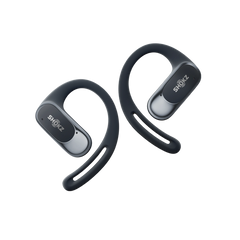
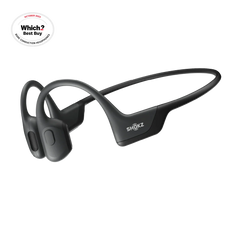
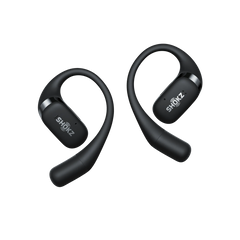
The Shokz OpenFit Pro is a proper top rated headphones for gym for anyone looking for a practical solution to standard gym headphone niggles. The open-ear design completely sidesteps the fit issues that usually plague sealed earbuds, all whilst keeping the audio punchy enough to keep you motivated.
At just 12.3g per bud, the lightweight build is spot on for stopping that annoying bounce during high-impact sets. Shokz SuperBoost™ tech, paired with Dolby Atmos, delivers a massive sound without you having to cram a silicone tip deep into your ear canal.
Gym-focused features include:
- Active Open-Ear Noise Reduction: Cuts out the background hum whilst letting you stay clued-in to your surroundings.
- IP55 Water and Sweat Resistance: Built to handle even the most grueling, sweat-soaked sessions.
- 60 Hours Total Battery: The charging case keeps you going for weeks, so there's less faff with cables.
- Bluetooth 6.1 with Multipoint: Switch between your playlist and a call without any mid-session headache.
- Ultra-soft Silicone™ 2.0: Sits comfortably on the ear without that "clamped" feeling during long workouts.


The open-ear approach is a game-changer for safety. You can hear your form cues, clanging plates, and other members, which is vital on a busy gym floor. Plus, their DirectPitch™ tech ensures your music stays for your ears only, rather than broadcasting your tunes to everyone else in the weights area.
Final Thought
Good headphones for the gym solve specific problems rather than offering every feature imaginable. Stability during movement, sweat resistance, and reliable controls matter more than driver size. Getting the fit right makes every other feature effective.
Prioritise the basics. Think about a secure fit, adequate protection, and simple controls. You can add refinements once you've identified your genuine needs through regular training on the gym floor. Stick to a kit that works as hard as you do and you’ll avoid any unnecessary hassle.
Frequently Asked Questions
1. Are Shokz Headphones Good for Gym?
Yes, Shokz designs address gym environments properly. Open-ear models maintain situational awareness whilst delivering decent audio quality. An IP55 rating handles heavy sweat, physical buttons work with wet fingers, and the lightweight build prevents bounce.
2. Is IP54 Enough for Sweat?
IP54 provides basic protection but sits at the lower end for serious gym use. It handles light perspiration adequately, yet intense sessions might push it beyond its limits. IP55 offers notably better protection for sustained moisture exposure.
3. What Is the Difference Between Sweatproof and Waterproof?
Sweatproof resists perspiration, typically equivalent to IPX4 protection. Waterproof indicates resistance to submersion or heavy water exposure, starting around IPX7. For gym purposes, sweatproof kit suffices, though waterproof ratings provide extra insurance.
4. Can I Comfortably Wear These Headphones with Glasses or a Gym Headband?
Design determines compatibility. Over-ear hooks can clash with glasses temples, creating pressure behind your ears. Open-ear styles work better with accessories since they don't compete for the same physical space. Try your actual kit combinations before buying.
5. What IP Rating Should I Look for in Gym Headphones?
PX5 is a practical minimum for regular gym use. It withstands sweat jets from any angle, handles the rain, and survives occasional puddle drops. Lower ratings work for light activity, whereas higher ratings protect against submersion scenarios that aren't really relevant to training.