


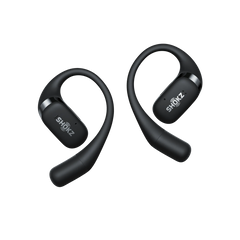


City running is different from jogging on a quiet country lane. You have vehicles pulling out without warning, cyclists overtaking you on shared paths, and pedestrians stepping off kerbs while glued to their phones. The choice between open-ear and in-ear headphones can determine how safe, comfortable, and enjoyable your runs feel in that kind of environment.
We’ll help you decide which is the best choice in this guide. We’ll cover where each design works best, where each falls short, and which type makes more sense depending on the kind of urban runner you are.
What Urban Runners Need in Their Headphones
Sound quality is obviously on the list. Nobody wants to suffer through a tinny, flat-sounding playlist on a 10-kilometre run. Fit is equally important. Headphones that shift, bounce, or fall out mid-stride can be a distraction. Every time you reach up to fix your earphones for jogging, you lose focus on the road ahead.
Then there's the question of comfort over longer distances. A 20-minute jog is very different from a 90-minute long run. If your headphones are pressing hard into your ear canals or creating heat and moisture build-up, they'll start to feel painful long before you finish.
And above everything else for urban runners, there's awareness. Being able to hear the world around you is important when you're sharing space with cars, scooters, and distracted pedestrians.

What Are Open-Ear Headphones?
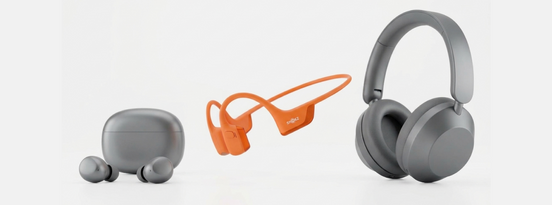
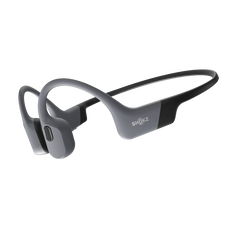
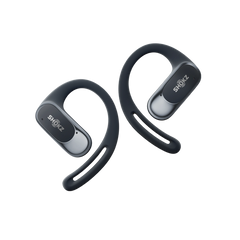
Open-ear headphones wrap outside the ear canal, leaving the inside open. Instead of sealing sound in and ambient noise out, they position small speakers near your ears and let the two coexist. The two main types you'll come across are bone conduction headphones and open-fit earbuds. The former sends sound through vibrations via your cheekbones to the inner ear, while the latter uses forward-facing drivers to project audio towards your ear without plugging the canal.
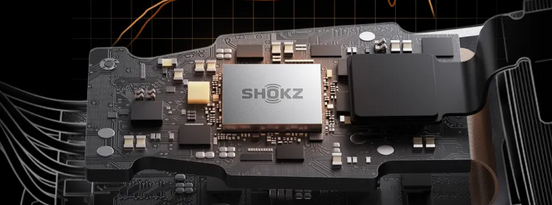
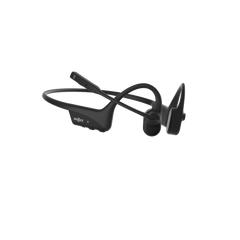
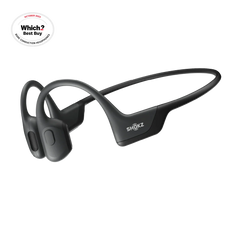
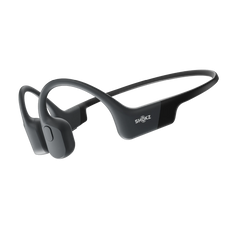
The Shokz OpenRun Pro 2 is an example of bone conduction technology built specifically for sport. It uses a dual-driver design to produce a much richer sound than older bone conduction headphones were known for, including proper bass response.
Pros for Urban Running
- Maximum traffic awareness: Because your ear canals are completely clear, you hear everything around you naturally. This is important when you're crossing a busy junction or running alongside a main road.
- Reduced ear fatigue: Anything pressed into your ear canal starts to feel uncomfortable after a while. Open-ear designs remove this burden. The OpenRun Pro 2, for example, rests against your cheekbones and temples rather than inside your ears, so there's no pressure build-up and no soreness.
- Less sweat build-up: In-ear headphones trap heat and moisture inside the ear canal, which can be unpleasant and increase the risk of ear irritation. Open-ear designs allow airflow, so your ears stay much more comfortable.
- Secure wraparound fit: Most open-ear headphones for running use a frame that goes around the neck or behind the head. You won't find yourself reaching up mid-run to push anything back into place.
- Lightweight designs: The OpenRun Pro 2 weighs in at just 30g. That's light enough that you stop noticing it's there after a few minutes of running.
Cons to Consider
- Lower bass response: Bone conduction headphones have historically been weaker in the bass department compared to in-ear models. If you listen to bass-heavy music and want to feel it as well as hear it, an open-ear design may still feel a little lighter in that department.
- Sound leakage: Because open-ear headphones project sound outward rather than sealing it in, sound leakage may occur. At moderate volume levels, this is usually minimal, but it's something to be aware of if you're running in quieter areas or commuting by public transport before or after your run.
- Struggles in very noisy traffic zones: The same openness that keeps you aware of your surroundings also means heavy traffic noise can drown out your audio in very busy urban areas.


What Are In-Ear Headphones?
In-ear headphones sit inside the ear canal and create a seal that blocks out external noise. They've been the dominant choice for runners for years, largely because of their small size, improved audio performance, and the large number of models available.
Pros for Urban Running
- Better sound quality: In-ear headphones create an acoustic seal that holds bass frequencies in place and produces a fuller, more detailed listening experience. If you're running to music and sound quality is a top priority, in-ear models generally have the advantage here.
- Improved podcast clarity: Podcasts and audiobooks come through cleanly and clearly, without competing with street noise, which makes keeping up with a long conversation or documentary much easier on the move.
- Stronger bass and immersive sound: If the thump of bass-heavy music is what drives your pace, in-ear headphones are better placed to give you that.
- Smaller form factor: In-ear wireless headphones for jogging are small, light, and easy to pocket. They're a clean, minimal option if you want as little kit as possible when you head out for a run.
Cons to Consider
- Reduced situational awareness: When you insert earphones for jogging into your ear canal and seal out ambient noise, you lose a significant amount of your awareness of the environment around you. A study from the University of Maryland Children’s Hospital found that many pedestrian accidents near rail crossings involved people using headphones.
- Ear canal discomfort over long runs: Many runners report a "plugged" feeling or pressure in the ear that gets worse the longer the earbud stays in place. On runs over an hour, this can go from distracting to painful.
- Risk of falling out without a proper fit: Many in-ear headphones don't have ear hooks or stabilisers. They rely on the friction of the ear tip to stay in place, which works fine at a walking pace but often fails as the run intensifies or sweat builds up. Losing an earbud mid-run is frustrating at best and a safety hazard at worst if it distracts you near traffic.
Who Should Choose Open-Ear Headphones?
- Safety-conscious runners: If traffic awareness is your primary concern, open-ear headphones are the clear choice. Models like the OpenRun Pro 2 are built specifically for active outdoor use with this in mind.
- Early morning and night joggers: Anyone running in low-light conditions, on quiet roads, or in hours when traffic is less predictable will benefit most from keeping their ears fully open. Reduced visibility means you lean harder on your hearing, and open-ear designs keep that sense completely intact.
- Runners with ear sensitivity: If you find in-ear headphones uncomfortable, consider open-ear designs. There's nothing pressing into the canal, and no moisture is being trapped inside it.
- Beginners navigating busy streets: If you're new to urban running, you're already managing a lot at once: pace, route, traffic lights, pedestrians. Keeping your ears fully open while you're finding your feet on busier streets removes one more thing to worry about.
Who Should Choose In-Ear Headphones?
- Runners in moderately busy neighbourhoods: If your regular route involves residential streets, parks, and paths with light traffic rather than main roads and junctions, in-ear headphones should be more manageable.
- Podcast listeners: If you mostly listen to spoken word content rather than music, in-ear headphones pull it off better.
- Those who value strong bass and immersive music: If the feeling of being properly immersed in a playlist is a key part of your running motivation, in-ear models give you a fuller and more impactful listening experience. A sealed earbud with a quality driver can genuinely make music feel more physical and engaging.
- Treadmill runners who occasionally run outdoors: If you do the majority of your running indoors and only head outside occasionally, you're spending most of your time in an environment where situational awareness isn't a safety factor. It makes sense to optimise for sound quality in that case.

Final Verdict: Which Are the Best Earphones for Jogging in Urban Areas?
The straightforward answer is that open-ear headphones are the better fit for most urban runners, and the safety case for them is hard to argue against when you're sharing roads with traffic every time you head out.
That doesn't mean in-ear headphones are wrong for everyone. If you run in low-traffic areas, prioritise sound quality above everything else, or are a mostly treadmill-based runner who dips outdoors occasionally, a good pair of in-ear headphones with transparency mode is a reasonable choice.
But for anyone who regularly runs on city streets, near main roads, or in low-visibility conditions, open-ear headphones are the smarter, safer option. They keep you connected to your environment without asking you to constantly manage a setting or worry about whether a mode is working properly.
The Shokz OpenRun Pro 2 is a strong option in this category. With its dual-driver setup, the audio quality gap between open-ear and in-ear headphones is narrower than it's ever been. It offers 12 hours of battery life and a quick charge feature that gives you 2.5 hours from just 5 minutes on the cable.
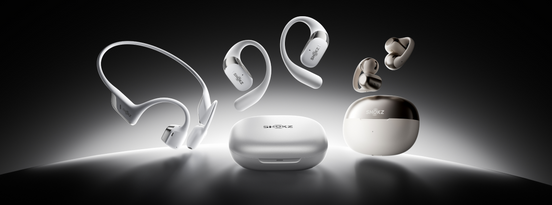
If you want something that covers you both during and after your run, the open-ear earbuds in the OpenFit 2+ are worth looking at for longer listening sessions off the road, with up to 48 hours of total playback and wireless charging support.
Frequently Asked Questions
Can in-ear headphones be safe for running in heavy traffic?
In very heavy traffic, in-ear headphones can be a real safety risk. When your ear canals are sealed and ambient noise is blocked, you lose the ability to hear approaching vehicles, horns, and other cues that give you reaction time near roads. Transparency mode reduces this risk but doesn't fully replace natural hearing. In busy urban environments, the safe choice is an open-ear design that keeps your ears clear at all times.
Do open-ear headphones have good enough sound quality for music lovers?
Yes, modern open-ear headphones have good sound quality. The Shokz OpenRun Pro 2, for instance, uses a dual-driver design that separates high and low frequencies, producing clear highs, natural mids, and noticeably more bass than previous generations.
Do open-ear headphones leak sound while jogging?
Some leakage does occur with open-ear designs, because the audio isn't sealed inside your ear. At a moderate, safe listening volume, the amount of sound that escapes is minimal and unlikely to bother anyone around you. It becomes more noticeable at higher volumes or in very quiet spaces.
Which are the best jogging headphones for running in noisy cities?
The Shokz OpenRun Pro 2 is a solid option. Its open-ear design keeps you aware of your surroundings, its nickel-titanium frame stays secure regardless of pace, and it's built to handle the sweat and occasional rain that comes with consistent outdoor training.