

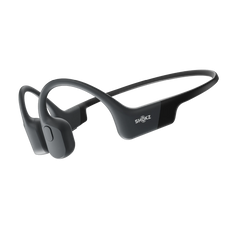


Clip-on earbuds are all the rage now. Unlike the traditional in-ear style that plugs into your ear canal, clip-on designs rest on the outside of your ear. This makes them comfortable for long listening sessions and great for staying aware of your surroundings.
But here's where the confusion starts: you can get them with a wire that plugs into your phone, or wireless ones that connect through Bluetooth. Which one is actually right for you? Let’s explore how both types of clip-on earbuds work and who should buy them so you can make the right choice.
Wired Clip-On Earbuds: Features, Functionality, Who Are They For?
Wired clip-on earbuds connect to your device with a cable and work without requiring any power, which means you can use them straight out of the box without charging anything.
The cable usually ends in a 3.5mm headphone jack, though some newer models come with USB-C or Lightning connectors. You plug them into your phone or laptop, and they work instantly. There's no pairing process, no battery anxiety, and no fiddling with Bluetooth settings.
Wired earbuds are budget-friendly, often available for under £30 for decent quality. Sound quality on wired models tends to be consistent. Wired headphones receive an analogue signal, which can handle more data than Bluetooth. This means no compression, no audio dropouts, and no lag when you're watching videos or gaming.
Who should consider wired clip-on earbuds? People who work at desks all day will find the cable isn't a bother. Anyone who hates remembering to charge yet another device will appreciate them as well. And if you're into gaming or editing videos, the zero latency makes wired the obvious choice.

Wireless Clip-On Earbuds: Features, Functionality, Who Are They For?
Wireless clip-on earbuds are the modern option. They connect to your phone or laptop through Bluetooth, which means no cables at all. You get complete freedom of movement, which people who are always on the go tend to appreciate.
These earbuds come with a charging case that tops them up when you're not using them. Most models give you somewhere between 6 and 10 hours of listening time per charge, with the case providing additional charges that bring the total to 30 or 40 hours before you need to plug anything in.
Wireless models pack in features that wired versions simply can't offer. Many have touch controls on the earbuds themselves, letting you pause music, skip tracks, or answer calls without reaching for your phone. Some include voice assistant support, so you can ask Siri or Google Assistant for help hands-free. The better models support multipoint pairing, which means they can connect to your phone and laptop at the same time.

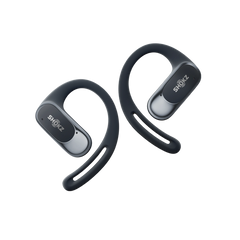
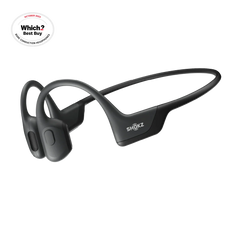
The Shokz OpenDots 2 is a useful example of what wireless clip-on earbuds can offer when you are comparing clip on earbuds vs in ear options. In-ear earbuds can feel secure because they sit inside the ear canal, but that fit can also create a more sealed-off feeling during longer wear. OpenDots 2 takes a different approach with an open-ear clip-on design that sits on the ear instead of blocking the ear canal.
For everyday users, that means you get the freedom of wireless earbuds while staying more aware of your surroundings. The lightweight 6.4g ± 0.2g build, contoured silicone, and flexible JointArc™ design help the earbuds feel stable without relying on an in-ear seal. This makes them especially relevant for commuting, desk work, walking, and other daily situations where you want comfort, mobility, and awareness at the same time.
Key Differences between Wireless and Wired Clip-On Earbuds
Now that you know what each type offers, here's how they actually compare in everyday use:
Convenience & Mobility
This is where wireless earbuds shine. With wireless clip-on earbud headphones, you don’t have to worry about tangled wires. You can move freely without worrying about snagging the cable on door handles, jacket zippers, or your bag strap. For anyone who exercises or commutes in crowded spaces, this freedom is worth the extra cost.
With wireless headphones, you can freely walk up to 30 feet from your device, which means you can leave your phone on your desk and grab a coffee from the kitchen. Wired earbuds, by contrast, keep you tethered to your device at all times.
But wired earbuds have their own convenience factor: they're always ready. No need for Bluetooth pairing. Just plug and play. There's no waiting for them to charge, no checking battery levels, and no connection drops. For people who value simplicity over mobility, that's a big win.
Sound Quality Comparison
Generally speaking, most wired headphones provide better sound quality than wireless, at least in theory. Wired connections send the audio signal directly without compressing it. Wireless earbuds have to convert the audio into a Bluetooth signal, which compresses the data to fit through the wireless connection.
That said, the gap has narrowed a lot in recent years. When looking at music stored in MP3 format, you probably won't notice much difference between wireless and wired headphones. For most people listening to Spotify or YouTube, wireless quality is perfectly fine.
If you're an audiophile who listens to lossless formats like FLAC or WAV, you might notice wired sounds slightly clearer. But for everyday listening, the difference is minimal.
Battery Life vs Unlimited Use
Wired earbuds clip-on never run out of power. You can listen for as long as you want without ever thinking about charging. If you're someone who forgets to charge things regularly, wired is the stress-free option.
Wireless earbuds need to be charged, usually every few days if you're a moderate user. Most models offer 6 to 10 hours per charge, with the case giving you several additional charges before you need to plug it in. Fast charging helps here; many wireless earbuds give you an hour or two of playback from just 10 minutes of charging.
With Shokz OpenDots 2, battery life is also less of a daily worry. The earbuds offer up to 10 hours of music playback on a single charge and up to 40 hours with the charging case. If you are short on time, a 5-minute quick charge provides up to 2 hours of music playback.
That helps offset one of the main advantages wired clip-on earbuds usually have: always being ready to use. Wired models still win if you never want to think about charging at all, but OpenDots 2 makes wireless much easier to live with if your priority is fewer cables, more freedom of movement, and enough power for daily use.


Comfort & Daily Use
Clip-on earbuds, whether wired or wireless, share one big advantage: they don't plug into your ear canal. This makes them more comfortable for extended wear.
However, for wired ones, the cable can get in the way when you're being mobile. The wire can snag on things, rub against your clothes, or just generally get in the way. For people doing active tasks, this can be annoying enough to ruin the experience.
With wireless clip-on earbuds, nothing gets in your way. They're also lighter on average because they don't have the weight of a cable pulling on them.
Price Differences
Wired earbuds are often budget-friendly. You can get a perfectly decent pair for £15 to £30. The low price makes them an easy purchase if you just need something basic that works.
As there is more to wireless headphones, they tend to be more expensive than wired ones. Wireless clip-on earbuds typically start around £40 to £50 for basic models, with good quality options in the £70 to £150 range. Premium models can go higher, but you're paying for features like better battery life, superior sound quality, and advanced controls.
Durability & Longevity
The cable is often the weakest point of wired headphones, and continuous bending, pulling, or accidental yanking can cause internal damage. The most common way wired earbuds die is through cable failure. Either one side stops working, or you get crackly audio from a damaged wire. If you're careful with them, they can last for years. But in practice, cables take a beating from being stuffed in pockets and bags.
Wireless earbuds don't have this problem, but you have to deal with battery degradation in most cases. Lithium-ion batteries get worse with every charge cycle, losing capacity over time. After two or three years, you might find your wireless earbuds only hold half the charge they used to. The earbuds themselves might be fine, but the battery won't last as long.
That said, if you take care of wireless earbuds, keeping them in their case when not in use, not exposing them to extreme temperatures, they can easily last several years before the battery becomes an issue.
Who Should Buy Wired Clip-On Earbuds?
Wired clip-on earbuds can be ideal for these people and situations:
- Budget buyers who want something that works without spending much should go wired. You can get reliable audio for under £30, which is a fraction of what wireless costs.
- Desk workers and students who stay in one place most of the day won't find the cable bothersome. If you're sitting at a desk with your laptop right in front of you, being tethered isn't a problem. The cable might even be reassuring because you can't accidentally leave your earbuds somewhere.
- Gamers or video editors need zero latency, and wired delivers that. Any audio delay can throw off your timing in games or make video editing frustrating. Wired connections guarantee perfect sync.
- Users who dislike charging devices will appreciate never having to think about battery levels. If you're already juggling charging your phone, laptop, smartwatch, and tablet, adding another device to that list might be the final straw. Wired earbuds are always ready to go.
Who Should Buy Wireless Clip-On Earbuds?
Wireless clip-on earbuds suit a different set of needs and lifestyles.
- Active users and commuters benefit most from the cable-free design. If you run, cycle, or spend time in busy spaces like trains and buses, wireless makes life so much easier. No cable to snag, no worrying about it getting caught on things.
- People who value portability will love how wireless earbuds come with a compact charging case. Everything fits in your pocket or bag without tangled wires. The case also protects the earbuds when you're not using them.
- Multi-device users who switch between a phone and a laptop throughout the day should look for wireless earbuds with multipoint pairing. It's brilliant to have your earbuds automatically switch between devices without having to manually disconnect and reconnect.
- Minimalist setups work better with wireless. No cables cluttering your desk or getting tangled in your bag. Everything is cleaner and simpler.
For active lifestyles, you might also want to check out open-ear headphones for sports to see how these designs help you stay aware and safe during outdoor activities.
Final Verdict: Which Should You Buy?
The honest answer is: it depends on how you'll actually use them.
Choose wired clip-on earbuds if you prioritise simplicity, never want to worry about charging, need perfect audio sync for gaming or videos, or you're on a tight budget. Wired is reliable, straightforward, and always ready to work.
Choose wireless clip-on earbuds if you're active, commute in busy spaces, use multiple devices throughout the day, or just can't stand tangled cables. Wireless gives you freedom and convenience, though it costs more and requires occasional charging.
For most people in 2026, wireless clip-on earbuds make more sense when the priority is freedom of movement rather than the sealed fit of in-ear earbuds. A model like Shokz OpenDots 2 shows why: it keeps the open-ear comfort and situational awareness that make clip-on designs appealing, while offering a secure fit and enough battery life for commuting, exercise, and all-day use.

Frequently Asked Questions
Are wireless clip-on earbuds better than wired ones?
Wireless earbuds offer more convenience and freedom of movement, which makes them better for active users and commuters. Wired earbuds have unlimited use without charging and slightly better audio quality for audiophiles.
Do wired clip-on earbuds have better sound quality?
In theory, yes, because wired connections don't compress audio. In practice, most people won't notice a difference when listening to streaming services like Spotify. Wired has a slight edge for lossless audio formats, but wireless quality has improved so much that it's perfectly good for everyday listening.
How long do wireless clip-on earbuds last per charge?
Most wireless clip-on earbuds give you around 6 to 10 hours of listening time from the earbuds themselves, with the charging case providing extra power. OpenDots 2 offers up to 10 hours of music playback on a single charge and up to 40 hours with the charging case. A 5-minute quick charge also provides up to 2 hours of music playback, which is useful before a commute, walk, or workout.
Are wireless clip-on earbuds good for gaming?
Yes, they are. Many wireless clip-on earbud headphones are now specifically designed for gaming. They offer low-latency modes that help reduce lag and perfect audio sync in fast-paced games.