





-
Over-Ear Headphones: Bulky Pressure
-
In-Ear Headphones: Lightweight but Not Always Comfortable
-
Clip-On Ear Headphones: The Comfort Champion
-
Side-by-Side Comfort Comparison
-
How to Choose the Right Type for Your Needs
-
Final Verdict
-
Frequently Asked Questions
If you've ever pulled off your headphones mid-afternoon with sore ears and a throbbing headache, you already know that comfort matters just as much as sound quality. The market is packed with wireless headphones today, but not every pair is built for comfort.
This guide breaks down the three main types, over-ear, in-ear, and open-ear, and compares them on the comfort front. By the end, you'll have a clear sense of which style suits you best.
Over-Ear Headphones: Bulky Pressure
Over-ear headphones have large ear cups that fully surround your ears. A padded headband holds everything in place, and the cups sit around, not on, your ears, forming a seal that blocks out ambient noise.
Comfort Advantages
-
The ear cups distribute weight and pressure around the ears rather than pressing directly on the ear canal, which reduces ear fatigue during long sessions.
-
The cushioned pads feel soft against the skin.
-
The larger size means there's room for decent driver units that can produce rich sound without pushing the volume up too high.
-
For long, stationary listening sessions, working from home, gaming, or watching a film, over-ear headphones tend to do well.
Common Comfort Drawbacks
-
The sealed cups trap heat around the ears, and after an hour or two, especially in warmer months, this gets uncomfortable.
-
Over-ear headphones are also heavier than other types, and the headband can press down on the crown of your head.
-
Tight clamp force is a common complaint, too, and some models leave a visible indent on hair after extended wear.
-
They're not built for movement either. They shift around during exercise, and the bulk makes them impractical for commuting or outdoor use.
Who Should Choose Over-Ear for Maximum Comfort
-
Remote workers sitting at a desk for most of the day
-
Gamers who need long-session wearability
-
Anyone who values passive noise isolation during focused listening.

In-Ear Headphones: Lightweight but Not Always Comfortable
In-ear headphones, also called earbuds or TWS (true wireless stereo) earbuds, sit inside the ear canal using silicone or foam tips. Modern wireless versions come with a compact charging case.
Comfort Advantages
-
In-ear buds are tiny and light, putting almost no pressure on your head or neck.
-
They're ideal for movement; you can run, commute, or work out without any bulk getting in the way.
-
Good-fitting tips create a seal that improves passive noise reduction, letting you listen at lower volumes.
Common Comfort Drawbacks
-
They tend to cause discomfort in the ear. The ear canal isn't designed to have something wedged inside it for hours on end, and many people experience a blocked, pressurised feeling after a while, sometimes described as ear pressure relief being needed after just an hour or two of use.
-
Fit is another issue. If the included tips don't match your ear canal shape, the earbuds either fall out constantly or press in too hard. Not every brand includes enough tip sizes to cover the full range of ear shapes.
-
There's also the hygiene side; in-ear buds trap heat and moisture inside the ear canal, which can increase the risk of irritation or infection with prolonged use.
Who Should Choose In-Ear for Comfort
In-ear earbuds work well for commuters, gym users, and people who need something portable and pocketable.
If you're only wearing them for an hour or so at a stretch, and you find a tip that fits, comfortable earbuds in the in-ear category can do the job well enough.
Clip-On Ear Headphones: The Comfort Champion
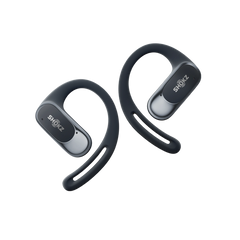
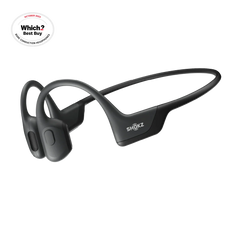
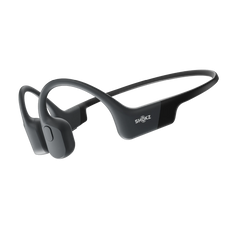
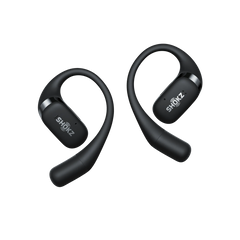
Open-ear earbuds sit outside the ear rather than inside it. They use either bone conduction (vibrating through your cheekbones) or air conduction technology to direct sound to your ears without blocking the ear canal at all. Open-ear clip-on earbuds like the Shokz OpenDots ONE attach directly to the outer ear, while wraparound models like the OpenFit Pro use a hook that rests over the ear.
Comfort Advantages
-
Because nothing enters the ear canal, you sidestep the pressure and irritation that comes with in-ear buds.
-
There's no occlusion effect (that muffled, blocked feeling), no moisture build-up inside the canal, and no discomfort in the ear from a poor seal.
-
Open-ear earbuds are also naturally breathable. Without a sealed cup trapping heat against your ear, they stay much cooler during extended wear or physical activity.
-
The light earbuds feel, particularly from clip-on styles, means many users genuinely forget they're wearing them. The OpenDots ONE, for example, weighs next to nothing and uses Shokz JointArc™ technology to sit snugly on the ear without digging in. The titanium alloy plate and soft silicone construction adapt to your ear shape for a secure, non-intrusive hold throughout the day.
-
For all-day wearers, ear pressure relief is probably the biggest benefit of going open-ear. You simply don't accumulate the discomfort that builds up with sealed designs.
Common Comfort Drawbacks
-
Open-ear earbuds tend to let in ambient sound by design, which means they're less immersive than over-ear or in-ear styles. That said, high-quality options address this well. The Shokz OpenDots ONE, for instance, pairs Bassphere™ technology with Dolby Audio to produce detail-rich sound that comes through clearly even in an open design.
Who Should Choose Open-Ear for Comfort
Open-ear is the strongest choice for:
-
people with sensitive ears,
-
those who regularly get discomfort in the ear from traditional earbuds,
-
long-haul listeners,
-
runners and cyclists who need to stay aware of their surroundings.
Side-by-Side Comfort Comparison
|
Factor |
Over-Ear |
In-Ear |
Open-Ear |
|---|---|---|---|
|
Weight |
Heaviest |
Lightest |
Very light |
|
Breathability |
Low |
Low |
High |
|
Ear pressure |
Moderate |
High |
Mininal |
|
Stability during movement |
Poor |
Moderate |
Excellent |
|
Long-session comfort |
Good |
Moderate |
Excellent |
How to Choose the Right Type for Your Needs
Based on daily use
Your typical day shapes this decision more than anything else. If you work at a desk and you only need headphones for short-term usage throughout the day, over-ear headphones can be a reasonable call. For all-day wear that spans multiple activities, work, a walk, a gym session, and an evening run, open-ear headphones are the most versatile. The Shokz OpenFit 2+ and OpenDots ONE both fit naturally into a full day without needing to come off between tasks.
Based on ear sensitivity
People with sensitive ears, a history of ear infections, or anyone who simply finds in-ear buds painful should lean towards open-ear. With no insertion into the ear canal, the risks associated with moisture build-up and sustained pressure are removed entirely.
Based on the environment
If you’re in noisy environments, open-plan offices, planes, or crowded trains, you benefit from over-ear headphones with active noise cancellation. Outdoor environments where you need to hear traffic, cycling paths, or other people call for open-ear designs. The OpenDots ONE and OpenFit Pro are both built for this: you get your audio and your surroundings at the same time, which is both safer and more natural.
Final Verdict
There's no single answer here because the comfiest wireless headphones for you depend on how and where you use them.
Over-ear headphones work for focused, stationary listening. In-ear buds suit short-burst, active use when portability is the priority. Open-ear earbuds, though, win on sustained comfort for the longest stretch of use. With no canal seal and no heat buildup, they're the most ear-friendly option for all-day wear.
If you're after something that sits comfortably from morning to evening without causing ear fatigue, you should have a proper look at the Shokz open-ear range, from the sleek clip-on OpenDots ONE to the more feature-packed OpenFit Pro.

Frequently Asked Questions
Why do my ears hurt after wearing headphones for a long time?
Discomfort usually comes from in-ear tips pressing too hard against the canal, over-ear cups clamping too tightly on the head, or heat building up under sealed cups. Switching to open-ear headphones or trying different ear tip sizes often resolves the issue.
Are over-ear headphones comfortable enough for all-day use?
Over-ear headphones work well for focused, stationary sessions such as working from home or gaming, but the sealed cups trap heat and the headband can press down on the crown of your head, making them less suited to full-day wear across multiple activities.
How do I pick headphones that are easy to wear every day without discomfort?
Consider your daily routine, ear sensitivity, and environment. For all-day wear across different activities, open-ear headphones are the most versatile. For noisy, enclosed spaces, over-ear headphones with noise cancellation are a better fit.
Are earbuds comfortable to wear for long hours?
Comfort depends on the design and fit. Open-ear earbuds are often more comfortable for long listening sessions because they reduce pressure in the ear canal and allow better airflow.