




-
Why Earbuds Cause Pain in the First Place
-
Key Features to Look for in Earbuds for Ear Pain Relief
-
How to Maintain Sound Quality While Prioritising Comfort
-
Quick Checklist for Choosing the Right Earbuds
-
Frequently Asked Questions
Ear pain from earbuds is one of the most common complaints among regular listeners, and most people just put up with it. They tell themselves it will get better once they break the earbuds in. It rarely does.
Thankfully, you can find real ear pain relief without giving up on sound quality. It usually comes down to understanding why the pain is happening in the first place, and then knowing what to look for when choosing a replacement pair.
Why Earbuds Cause Pain in the First Place
Before looking at solutions, it helps to understand what is actually going wrong. There are a few common culprits, and they do not all point to the same fix.
Pressure Build-Up in the Ear Canal
In-ear earbuds sit inside the ear canal and create a seal to block out noise and keep sound in. That seal traps air and puts steady pressure on the canal walls. For short sessions, it is barely noticeable. After a few hours, that pressure can cause ear fatigue and pain.
Wrong Fit and One-Size-Fits-All Design
Most earbuds come in small, medium, and large, and that is it. Your ear canal is unique to you. If the tip is too big, it compresses the canal walls, and if it’s too small, the earbud slips deeper than it should, pressing against sensitive tissue. A poor fit creates constant friction and pressure points that worsen over time.
Materials That Irritate the Skin
Cheap plastic and low-grade silicone can cause problems for people with sensitive skin. The ear canal is lined with delicate tissue, and it reacts badly to materials it does not agree with. Some people develop redness, itching, or mild inflammation without ever connecting it back to the earbud tips themselves.
Prolonged Usage Without Breaks
Your ears were simply not built to hold something in place for six, eight, or ten hours at a stretch. Even a well-fitting pair of earbuds will eventually cause soreness if you never take them out. The cartilage in and around your ear needs time to recover. Taking a five-minute break every hour is one of the simplest and most overlooked things you can do for your ear health.

Key Features to Look for in Earbuds for Ear Pain Relief
Now you know what is causing the problem. Here is what to actually look for when choosing a more comfortable pair.
Venting or Open-Ear Design
Vented earbuds allow some airflow in and out of the ear canal, which reduces that blocked-up pressure sensation significantly. Open-ear earbuds don’t even enter the canal at all. They sit just outside the ear, giving you zero canal pressure, better air circulation, and a much lower risk of soreness and pain.
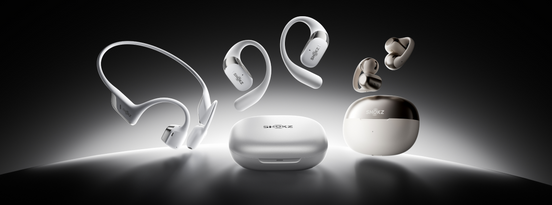
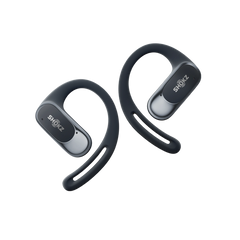
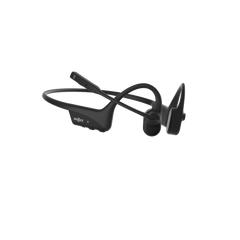
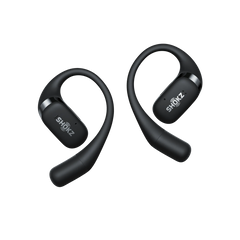
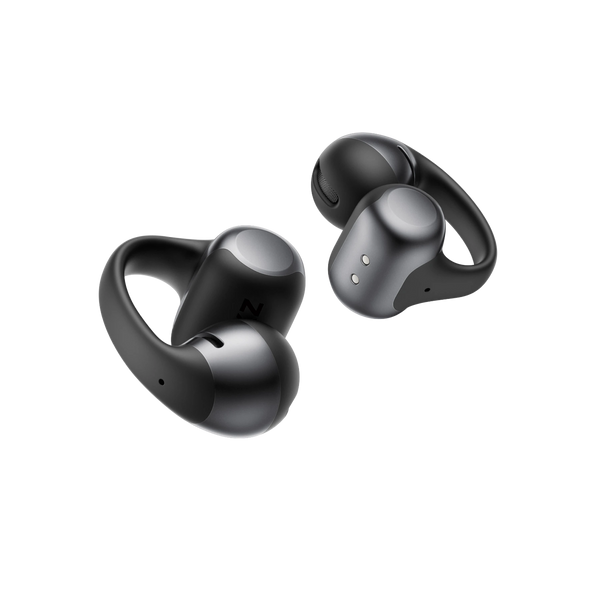
The Shokz OpenDots ONE is a strong option in this category. It is an open-ear clip-on earbud that rests at the ear rather than inside the canal, so there is no pressure build-up and no suction effect. The Shokz JointArc™ mechanism holds it securely against your ear without gripping or canal contact, and the soft silicone material keeps things comfortable even during extended wear. For sound, it uses Bassphere™ technology alongside Dolby Audio support for rich, detailed playback.


Ergonomic Design and Shape
An ergonomic earbud is shaped to match the natural curves of your ear rather than forcing your ear to adapt to a standard mould. Look for earbuds with contoured bodies, ear hooks that wrap gently around the outer ear, or clip-on earbuds that sit outside the canal entirely. The less your ear has to do the adjusting, the longer you can wear them comfortably.
Multiple Ear Tip Sizes
A brand that includes at least three or four tip sizes is taking comfort seriously. Better still are brands that offer memory foam options alongside silicone ones. Foam tips mould gradually to your ear shape and spread pressure more evenly, which makes a noticeable difference for people with sensitive or narrower canals.
Soft, Skin-Friendly Materials
Look for ear tips made from medical-grade silicone or soft thermoplastic elastomers. These materials are gentler on the skin, less likely to cause irritation, and tend to hold their shape better under daily use. Hard plastic tips with no give are worth avoiding outright.
Lightweight Build
A heavier earbud pulls on the ear hook or canal tip throughout the day, adding cumulative downward strain. The lighter the build, the less fatigue you will feel over a long listening session. Anything under 10g per earbud is a reasonable target.

How to Maintain Sound Quality While Prioritising Comfort
The concern a lot of people have is that choosing comfort means settling for worse audio. That is not the case. Here is how to get both.
Driver Size and Type
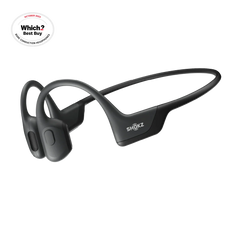
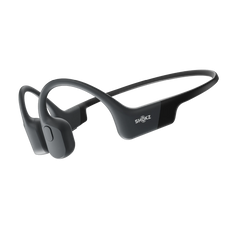
The driver is the component that actually produces sound. Larger drivers generally produce fuller bass and a wider soundstage. Open-ear earbuds have come a long way in this area. The Shokz OpenFit Pro, for instance, uses Shokz SuperBoost™ technology with a dual-driver setup that produces rich highs, natural mids, and deep lows without sitting in the canal at all. When you are comparing earbuds, check that the brand is transparent about driver specifications rather than vague on the details.
Proper Seal
There is a common misconception here: you do not need a tight canal seal to get good sound. A comfortable, snug fit with the right-sized tip improves bass response and passive noise isolation well enough for most listeners. Forcing a seal by sizing up only creates pain. If you go open-ear, technologies like Shokz DirectPitch™ (found in models like the OpenFit 2+) use phase cancellation to keep audio focused at your ear rather than leaking outward, so you are not missing out on clarity.
Noise Isolation vs Noise Cancellation
Noise isolation comes from the physical contact of the earbud with your ear. Noise cancellation uses microphones and processing to counteract external sounds actively. For people dealing with ear pain, aggressive active noise cancellation can actually make things worse, as it creates a pressurised, sealed-off sensation that some find uncomfortable. Passive isolation from a well-fitting, comfortable tip is usually the gentler route. If you do want active cancellation, look for a model with adjustable transparency or awareness modes so you can dial back the pressure when needed.
Audio Tuning and EQ Options
Many earbuds now come with companion apps that let you adjust the EQ to your preferences. A well-tuned EQ means you get fuller audio at a lower volume. Lower volume means less strain on the ear and cochlea, which is one of the most practical forms of everyday ear pain treatment you can apply without changing your habits drastically. The Shokz app, available with products like the OpenDots ONE and OpenFit Pro, gives you EQ customisation alongside firmware updates and battery tracking.
Quick Checklist for Choosing the Right Earbuds
Run through this before you commit to a pair:
-
Open-ear or vented design to avoid canal pressure
-
Multiple ear tip sizes included (at least small, medium, large)
-
Soft, medical-grade silicone or foam tips
-
Weight under 10g per earbud
-
Companion app with EQ control
-
No hard plastic canal tip
-
Clear driver specifications listed on the product page
-
Interchangeable left and right earbuds for a flexible fit
-
Battery life of at least 8 hours per charge to avoid mid-session interruptions
Frequently Asked Questions
Can earbuds cause long-term ear damage?
Yes, they can. Listening at high volumes over time puts real strain on the inner ear and can contribute to noise-induced hearing loss. On top of that, earbuds that trap moisture inside the canal create warm, humid conditions that increase the risk of outer ear infections. Keeping the volume below 80% of maximum, taking regular breaks, and cleaning your earbuds consistently all help significantly.
Are expensive earbuds always more comfortable?
Not necessarily. Price often reflects audio performance, build quality, or brand positioning rather than comfort specifically. Some mid-range models are far more comfortable than premium ones, particularly when the flagship product has been optimised for sound over ergonomics. Look at the design features and fit options rather than the price tag alone.
Is noise cancellation bad for ear pain?
For some people, yes. Active noise cancellation creates a pressurised sensation inside the ear that certain listeners find genuinely uncomfortable, particularly on long flights or extended listening sessions. If you are sensitive to that sealed-off feeling, an open-ear design or a model with an adjustable transparency mode will likely suit you better.
How do I know if my earbuds fit properly?
A well-fitting earbud stays in place without needing to be pushed deeper or held. You should feel gentle contact, not stretching or compression. If you notice soreness, a blocked sensation, or find yourself adjusting them constantly, they are likely the wrong size or shape for your ears. Try the next size down first. If that does not resolve it, a clip-on or open-ear design that avoids the canal altogether is often the most straightforward solution.