




We’ve all seen people at the gym absolutely floored after ten minutes, or heard mates raving about their latest HIIT workout. If you’re currently stuck in a bit of a rut, doing the same old training and seeing zero results, it’s a bit of a nightmare. Or maybe you’re just properly time-poor and need a session that actually works without taking up your entire evening.
The big draw with HIIT training is that it promises the same gains—if not better—in a tiny fraction of the time a long cardio slog takes. It sounds like a bit of a tall tale, doesn't it? But there’s a proper reason why these short, sharp bursts of HIIT workouts do what they do.
This guide cuts through the fitness industry noise to explain what HIIT training genuinely involves, and how it reshapes your body differently than cardio. You'll discover practical gear that genuinely helps, learn a simple 20-minute routine you can start tomorrow, and understand exactly what makes HIIT exercises so effective for busy people seeking transformation.
Part 1. What Are HIIT Workouts?
On paper, HIIT stands for High-Intensity Interval Training, but that technical bit doesn't really describe the sheer graft involved. In practice, these sessions are all about chopping your workout into short bursts of maximum effort followed by just enough recovery to keep you from collapsing.
During the "work" bits, you’ve got to push yourself properly hard. We’re talking full-blown sprinting rather than a casual jog, or explosive jumps instead of gentle steps. The recovery periods are just there to let you catch your breath—barely—before the next round kicks off. A session might only last 15 to 30 minutes, but it'll leave you feeling more "done" than an hour spent on the exercise bike.
The whole point is intensity over duration. When you actually commit and go all-out during those intervals, you’re putting your body under the kind of metabolic stress that triggers results. It’s a completely different beast compared to just plodding along at a moderate pace.

Part 2. How HIIT Training Transforms Your Body
The changes you get from HIIT workouts go way beyond just the calories you burn while you're actually sweating. Your body reacts to this kind of stress in a very specific way, essentially forcing your metabolism and heart to sharpen up and reshape themselves all at once.
1. Burning Calories After You Finish
The best bit about a HIIT workout happens after you’ve towelled off and headed home. Intense intervals trigger what’s known as "the afterburn effect." Basically, your metabolism stays in overdrive for hours as your body tries to repair muscle and top up its energy levels. This is a massive win for anyone squeezing in a session before work—you’re still burning extra calories while sitting in those endless afternoon meetings.
2. Boosting Heart Health Quickly
The cardiovascular perks you get from HIIT workouts tend to show up much faster than anything traditional endurance training can offer. Research consistently shows that hiit training delivers much better gains in VO2 max—which is just your body's knack for using oxygen—especially when you compare it to plodding along for ages with moderate exercise.
Studies demonstrate measurable improvements in heart function within just a few weeks of sticking to your HIIT training. For anyone currently juggling work deadlines, family chaos, and the general madness of life, getting proper fitness gains without spending half your week in the gym makes a healthy heart feel actually doable, rather than just some aspirational fantasy.
3. Losing Fat While Keeping Muscle
Perhaps the most appealing aspect of HIIT exercises is their effect on body composition. Traditional lengthy cardio sessions might only achieve fat reduction, making your body slimmer, but not necessarily more defined.
HIIT takes a different approach entirely. The explosive movements and maximum effort required during work intervals stimulate muscle preservation signals. Your body recognizes the need to maintain power-producing tissue, even whilst operating in a calorie deficit.
Fat stores become the primary fuel source for recovery and adaptation, whilst lean muscle mass remains protected or even stimulated for growth. This creates that toned, athletic look many people chase unsuccessfully through hours on the treadmill.
Part 3. Why HIIT Workouts Suit the Busy British Lifestyle
Perhaps the most appealing thing about HIIT exercises is what they actually do to your body shape. We’ve all seen it—those endless, boring cardio sessions that might make you a bit slimmer, but often leave you looking a bit "flat" rather than toned or defined.
HIIT takes a completely different tack. Because of the explosive moves and the sheer effort you’re putting in during those work bits, your body gets the message that it needs to hang onto its muscle. It realises it needs that power-producing tissue, even if you’re burning through more fuel than you’re taking in.
Essentially, your fat stores become the main source of energy for recovery, while your lean muscle stays protected (or even gets a bit of a boost). This is how you actually get that toned, athletic look that so many people chase for hours on a treadmill without ever quite finding it.
Part 4. Simple HIIT Gear That Actually Helps Your Workout
Whilst HIIT training doesn't need a massive kit bag, a few well-chosen bits of gear can genuinely save your session. We're not talking about expensive gimmicks here—just practical tools that stop you from faffing around with adjustments when you should be pushing for that last rep.
1. Open-Ear Headphones as Workout Earbuds for HIIT
Standard earbuds are a proper nightmare during HIIT workouts. Do a few jumping jacks and they’re out; hit a set of burpees and they’re flying across the gym floor. Then there’s the sweat—it pools in your ears, creates that disgusting squelching sound, and makes the buds slide right out. By your third circuit, you’re spending more time messing with your ears than actually training.
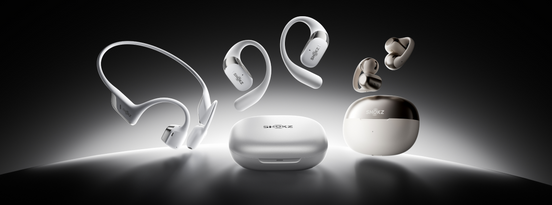
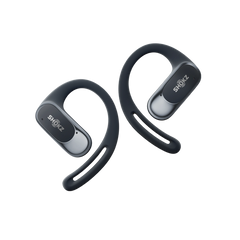
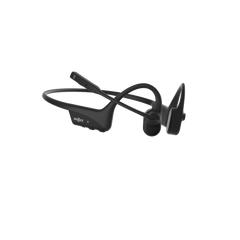
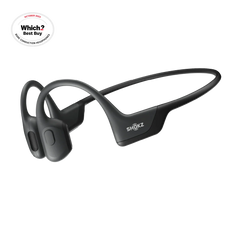
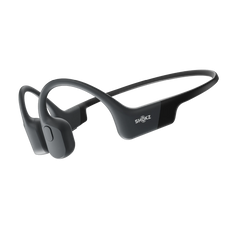
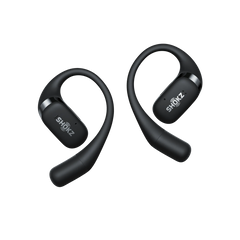
The Shokz OpenFit 2+ is a total game-changer here because it doesn't actually go in your ear. It sits outside, using air conduction to deliver the sound. This means nothing is plugging your ear canal, so sweat doesn't mess with the fit or make things feel gross. Plus, you can still hear what’s going on around you, which is exactly why open-ear headphones are a smart choice for sports, especially if you’re training outdoors or in a busy shared space.
Here’s why they’re the best workout earbuds for your next session:
- DualBoost™ technology with dual drivers: You get a proper bass punch from the 17.3mm unit that keeps you moving when you’re flagging, while the vocals stay crystal clear even when you’re gasping for air mid-interval.
- Ultra-Soft Silicone™ 2.0 construction: At just 9.4 grams, they’re basically weightless. They mould to your ear so they stay exactly where you put them—no bouncing or shifting, even during the most explosive moves.
- 11-hour battery with fast charging: A single charge easily covers a week’s worth of training. If you’ve forgotten to plug them in (we’ve all been there), a 10-minute quick charge gives you two hours of life—enough to get you through the toughest session.
- IP55 water resistance: British gyms get properly steamy, and outdoor sessions often end up a bit soggy. These handle sweat and rain without any crackling or cutting out when you’re halfway through a set.
- Physical multifunction buttons: When your hands are slick with sweat and you're absolutely knackered, tiny touch sensors are useless. These have proper buttons, so you can skip tracks or take a call without fumbling about.
- Bluetooth 5.4 with multipoint pairing: You can stay connected to your phone and laptop at the same time. If a work call ruins your flow, you can jump on it without the usual Bluetooth-pairing headache.
Because they stay put and let you stay aware of your surroundings, these are easily the best workout earbuds for HIIT where normal ones just give up the ghost. You can finally stop thinking about your kit and just focus on the graft.


2. A Reliable Interval Timer App
Your phone’s basic stopwatch just won’t cut it. You need an app that shouts at you when to work and when to rest, especially when you’re far too busy "dying" to look at a screen. Free ones do the job brilliantly—having a voice tell you when to push means you don't have to keep checking the clock while face-down in a burpee.
3. Supportive Trainers with Grip
Cheap plimsolls might be okay for a stroll, but they’ll murder your joints during HIIT exercises. You need proper cross-trainers that offer lateral support for side-to-side moves. Avoid running-specific shoes if you can—they're great for moving forward, but they lack the stability you need for explosive HIIT movements.
4. Sweat Towel and Hydration
It sounds obvious, but you’d be surprised how many people forget. HIIT makes you sweat buckets, fast. A small towel keeps the sting out of your eyes and stops your hands from slipping during floor work. Keep your water within arm’s reach, too—you only get a few seconds to breathe, so make those sips count.
Part 5. A Simple 20-Minute Beginner HIIT Workout
The best thing about this routine is that you don’t need any fancy kit—just yourself and a bit of floor space. It’s a proper introduction to HIIT training that won’t leave you feeling completely flattened, but it’ll definitely let you know you’ve done a proper bit of work.
1. The Warm-Up
Whatever you do, don't just jump straight in. HIIT involves some properly explosive moves that will wreck "cold" muscles or stiff joints if you're not careful. Give it five minutes to get the blood moving:
Start with a gentle jog on the spot for a minute just to get your heart rate up. Then, do some arm circles—10 forward and 10 back—to loosen up those shoulders. Add in 10 bodyweight squats (focus on going deep, not fast) and 10 walking lunges. Finish off with 10 gentle jumping jacks to prep for the more intense HIIT exercises coming up.
2. The Main Circuit
You’re going to run through this circuit four times in total. Each "work" bit is 30 seconds of graft, followed by 30 seconds of catching your breath. Do all five moves back-to-back, then take a full minute’s breather between the big rounds.
Exercise 1: High Knees – Get those knees up toward your chest as fast as you can. It’s all about the speed of your feet here. This gets the heart rate properly spiked right from the off.
Exercise 2: Press-Ups – Standard or on your knees, I don't mind which. Just lower yourself with control and then push back up like you mean it. I’d much rather see five perfect reps than twenty sloppy ones. If you're struggling, just drop to your knees mid-set rather than quitting.
Exercise 3: Jump Squats – Drop into a squat and then explode upwards. The trick is to land softly with bent knees so you don't rattle your joints. These are absolute killers for the heart rate but great for building power.
Exercise 4: Mountain Climbers – Get into a press-up position and drive your knees toward your chest like you’re sprinting up a hill. Keep your bum down—don't let your hips spike up into the air.
Exercise 5: Burpees – The move everyone loves to hate. Drop down, do a press-up, jump your feet forward, and leap. They’re brutal because they combine everything that makes HIIT tough. If the jump is too much, just step your feet forward instead.
Once you’ve done all five, take that 60-second rest. Then, go again three more times.
3. The Cool Down
Finish off with five minutes of just moving about. Don’t just flop onto the sofa straight away—walk around until you’ve actually caught your breath. Give your quads, hammies, and chest a proper stretch, holding each for 30 seconds. It’s the only way to avoid that "can't walk the next day" feeling. If you do this bit right, you’ll actually feel like showing up for your next HIIT training session instead of dreading it.
Final Thoughts
At the end of the day, what are HIIT workouts? It’s a simple trade-off: give it everything you’ve got for twenty minutes, and you’ll actually see the results you're after. The beauty of it is that you don't need to live in the gym. It’s all about being efficient. You can completely overhaul your fitness and burn through fat in a fraction of the time, but only if you’re willing to put the graft in.
If you want the gains, you can't half-arse it during those work intervals. You’ve got to go all-out. Use whatever you need to keep your head in the game—crank up the music and just keep pushing until you hit that finish line. Let the Shokz OpenFit 2+ be the bit of kit that keeps you moving, and you’ll start seeing the progress you deserve.
The best part is that hiit training grows with you. Once you’re ready, just add another circuit or trim down your rest time. It’s the same basic logic whether you’re a total beginner or a seasoned pro—it’s just the intensity that changes. So, stop overthinking it and just get started.

FAQ: Common Questions About HIIT Workouts
1. Are open-ear models the best workout earbuds for HIIT?
For most people, they’re a much better shout. Traditional buds are a nightmare—they’re constantly falling out during burpees and trapping sweat in your ears. Something like the Shokz OpenFit 2+ stays put no matter how much you jump around, and they’re way more comfortable for longer sessions. Plus, being able to hear what’s going on around you is a massive plus for safety if you’re out on the streets.
2. Do open-ear headphones leak sound at the gym?
Not really. Modern ones like Shokz use clever directional tech that beams the sound straight into your ears. Unless you’ve got your music cranked up to a ridiculous level, the person on the next treadmill won't hear a thing. Most of the "leakage" people worry about came from older models; keep the volume at a sensible level and you’re golden.
3. How long should a HIIT workout be for beginners?
Stick to about 15 or 20 minutes to start with, and that’s including your warm-up. You might only be doing the "proper" hard work for 10 minutes, but trust me, that’s plenty. A lot of people think they need to slog away for an hour to see results, but that’s not how this works. It’s about how much you put into those short bursts—quality over quantity, every single time.
4. Is a HIIT workout safe if I am overweight?
It's generally fine, as long as you’re smart about the impact. You don’t want to go straight into full burpees on day one—try step-ups instead of jump squats, or do your press-ups against a wall to save your joints. The interval structure stays the same, you’re just picking HIIT exercises that won't give your knees a hard time. Just listen to your body and don't feel like you have to keep up with the pros right away; build it up at your own pace.
5. Do I need equipment for HIIT exercises?
Not really, no. You can get a proper, sweat-dripping session done just using your own bodyweight and a bit of floor space. If you want to grab some dumbbells or kettlebells later to change things up, fair enough, but they aren't essential to get started. The only bits of kit that actually matter are a decent pair of trainers and some loud music to keep you moving when the graft gets tough.