





-
Why Do In-Ear Earbuds Hurt Some People?
-
Best 5 Comfortable Alternatives to In-Ear Earbuds
-
Common Signs Your In-Ear Earbuds Are Causing Problems
In-ear earbuds cause discomfort for a lot of people, and there are several reasons for that. This guide covers why that happens, what signs to watch for, and, most importantly, which comfortable alternative to in-ear earbuds might actually work for you.

Why Do In-Ear Earbuds Hurt Some People?
The short answer is that in-ear earbuds were designed to go inside your ear canal, and ear canals are sensitive. Here are the potential reasons for discomfort:
Ear Canal Shapes Are Different
Ear canals are not one-size-fits-all. Some people have narrow canals, some have irregular angles, and some have shapes that simply don't cooperate with a standard silicone tip. Most earbuds come with three tip sizes, small, medium, and large, which do not work for many people. When the tip doesn't sit right, the earbud presses unevenly against the canal wall, and that pressure builds.
Excessive Pressure Inside the Ear Canal
Even when the fit looks right on paper, the seal that in-ear earbuds create inside the canal can be uncomfortable on its own. That sealed feeling, sometimes called the occlusion effect, traps sound and air pressure in a small space. It can make your own voice sound strange when you're talking, and it can create a low-level pressure sensation that's hard to shake. Over a long listening session, that discomfort grows.
Irritation From Silicone or Ear Tips
Silicone is the most common material used for earbud tips, and for most people, it's fine. For others, it can cause irritation. The skin inside the ear canal is thin and sensitive, and repeated contact with a foreign material, especially one that's been collecting bacteria from a bag pocket, can cause redness, itching, or a general rawness.
Ear Fatigue During Long Listening Sessions
Even without any obvious ear pain, in-ear earbuds can cause ear fatigue. This is a cumulative tiredness in the ear caused by prolonged exposure to sound delivered directly into the canal, combined with the physical presence of the earbud itself. After a few hours, the ears simply feel worn out.
Poor Fit Causes Constant Readjustment
A loose earbud is one that you'll find yourself pushing back in every ten minutes. That constant contact and adjustment introduces more friction, more pressure, and more opportunity for irritation. The more you fiddle with the fit, the more uncomfortable the experience becomes.

Best 5 Comfortable Alternatives to In-Ear Earbuds
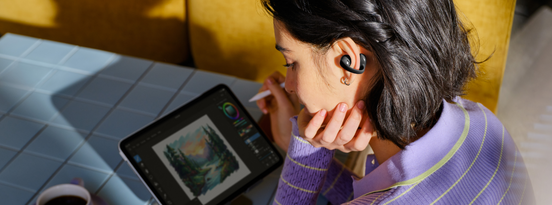
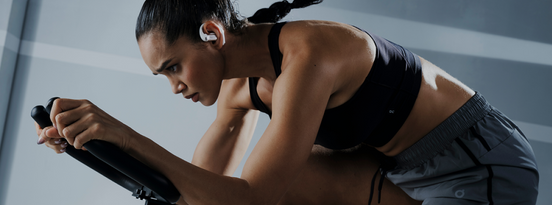
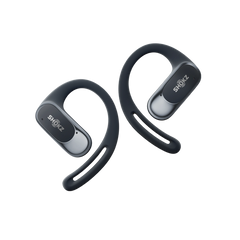
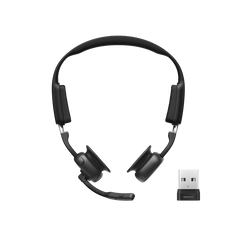
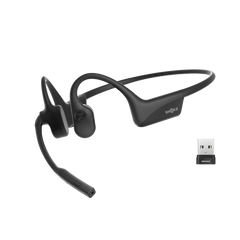
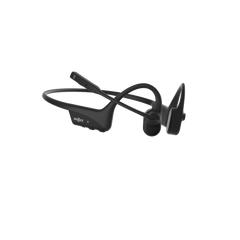
The good news is that there are several alternatives to in-ear earbuds now. Open-ear designs, particularly clip-on earbuds, sit on or around your ear without going into the canal at all. That eliminates most of the causes of discomfort listed above. Here are five of the best options available right now:
1. Shokz OpenDots ONE
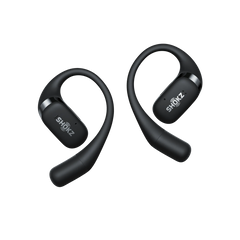
The Shokz OpenDots ONE is one of the most talked-about clip-on earbuds, and for good reason. These earbuds clip on your ear, which means no canal pressure, no occlusion effect, and no silicone irritation. Another plus is its aesthetic design, which looks more like jewellery than a pair of earbuds.
The OpenDots ONE uses Shokz's JointArc™ mechanism, which adapts to your ear shape for a snug fit that stays put during movement without clamping down. The sound comes from the Bassphere™ driver, and you can also enable Dolby Audio through the Shokz App for a richer, more immersive experience. They also have an interchangeable left and right design, so you don't have to spend time figuring out which earbud goes where.


Key features:
● Clip-on design that sits on the ear, not inside the canal
● Shokz JointArc™ for a secure, adaptive fit
● Bassphere™ driver with Dolby Audio support via app
● Interchangeable left and right earbuds
● Up to 40 hours of combined playtime
● Fast wired charging and wireless charging support
2. HUAWEI FreeClip 2
The HUAWEI FreeClip 2 is one of the lightest clip-on earbuds on the market, with a C-bridge design that wraps gently around the ear like a cuff. If comfort and a barely-there feel are your top priorities, it's worth a serious look.
Key features:
● Ultra-lightweight C-bridge design at 5.1g per earbud
● Skin-friendly liquid silicone and shape-memory alloy construction
● Up to 27 hours total playtime (7.5h earbuds + 19.5h case)
● Bluetooth 5.3 with AAC support
● Improved sound quality over the original FreeClip
● Compact, travel-friendly charging case
3. Baseus Bass BC1
The Baseus Bass BC1 is the budget pick in this roundup, but the performance doesn't reflect the price. It's a well-rounded clip-on that handles music, calls, and workouts without asking you to spend much at all.
Key features:
● Open-ring clip-on design with tri-curve ergonomic grip
● 12mm dynamic drivers with bio-cellulose diaphragms and AI bass boost
● Four-microphone array with AI noise reduction for calls
● Bluetooth 6.0 with multipoint connection
● Up to 38 hours total playtime
● IP55 water and dust resistance
● Physical buttons with app customisation
4. Soundcore C50i
The Soundcore C50i sits in a strong middle ground between budget and premium. It's an upgraded version of the well-regarded C40i, and it brings a handful of meaningful improvements, most notably LDAC support, which is rare at this price point.
Key features:
● FlexiClip memory titanium design, 5.5g per earbud
● 12mm custom drivers with 86dB max output
● LDAC support for high-resolution wireless audio
● AI-enhanced call quality
● Up to 28 hours total playtime with fast charging (10 min = 2 hrs)
● IP55 water and dust resistance
● Bluetooth 6.0 with multipoint pairing
5. JBL Sense Lite
The JBL Sense Lite is a solid choice for anyone who wants a recognisable audio brand. It's built around JBL's OpenSound Technology and is particularly strong on call quality, thanks to its four-mic beamforming setup.
Key features:
● JBL OpenSound Technology with 18x11mm dynamic drivers
● Adaptive Bass Boost algorithm for real-time bass adjustment
● Four beamforming mics with hydrodynamic windproofing
● Up to 32 hours total playtime (8h earbuds + 24h case)
● Speed Charge: 10 minutes = 3 hours
● 10-band EQ and customisable touch controls via JBL app
● IP54 rating, Bluetooth 5.4, multipoint pairing
Common Signs Your In-Ear Earbuds Are Causing Problems
It's easy to dismiss earbud discomfort as something you just need to push through. But there are clear signals that your in-ear earbuds are causing real problems, and ignoring them tends to make things worse.
Pain or Soreness After Use
If your ears feel sore or tender after taking your earbuds out, that's not normal. Some adjustment discomfort during the first few uses is understandable, but if the pain is consistent, the earbuds are either the wrong size or the wrong type for your ears. Continuing to wear them in this state risks aggravating the canal tissue further.
Itchy Ear Canals
Itching inside the ear canal after earbud use is often a sign of irritation, possibly from the silicone material or from bacteria on the tips. It can also be a reaction to moisture trapped by the seal of the earbud. Either way, it's a warning sign worth taking seriously.
Redness or Skin Irritation
Visible redness around or inside the ear is a sign that something is wrong. Repeated friction from an ill-fitting earbud can break down the skin barrier over time. If you're seeing redness regularly, consider switching to a comfortable alternative to in-ear earbuds that don't contact the canal at all.
Headaches or Pressure Sensation
That sealed-in feeling from in-ear earbuds can build into a low-grade headache or a persistent sense of pressure after extended wear. Some people describe it as their ears feeling "full." It happens because the earbuds are blocking the natural ventilation of the ear canal, and the trapped air pressure has nowhere to go.
Ear Fatigue After Listening
Ear fatigue shows up as a general tiredness or sensitivity in the ears that lingers after you've finished listening. It's less obvious than pain, but it's a sign that your ears have been under sustained strain.