





An active lifestyle can sound like a big identity shift, especially if your week already feels full. You might be trying to move more, return to women's sport, build a women's fitness lifestyle that fits your schedule, or make healthy living feel less like another task. Active living is often shown as intense workouts and perfect routines, but real life includes work, weather, recovery and changing energy. This guide looks at active living in practical terms: daily movement, training, rest, motivation, environment and small choices that support long-term healthy living.
- What an active lifestyle includes in everyday life
- How to build an active lifestyle that feels sustainable
- What to consider when choosing gear for healthy living
- How Shokz Open-Ear listening can fit an active lifestyle
- Simple ways to make active living part of your routine
- Summary: define active living in a way you can keep doing
What an active lifestyle includes in everyday life
Active living is easier to understand when you look at your whole day, rather than counting only workouts. A gym session, run, match or class can be part of it, but so can walking to the shop, taking the stairs, active commuting or doing a short mobility routine before bed.
That matters because healthy living is built from repeated choices. If movement appears only on days when you have a full free hour, it may disappear during busy weeks. If movement is woven into ordinary routines, it becomes less dependent on motivation.
Goals also vary. Someone focused on general energy may want steady movement, better sleep and fewer long periods of sitting. Someone involved in women's sport may care about training consistency, skill practice and recovery between sessions. A women's fitness lifestyle can be performance-led, wellness-led or a mix of both, and it may change across seasons of life.
Your routine needs to survive real conditions. Can it work when your workload spikes, when the weather changes, when you are travelling, or when your fitness level is different from last year? An active women lifestyle should leave room for ambition and adjustment.

How to build an active lifestyle that feels sustainable
Building active habits usually works better when you start with what is already possible. A routine that looks perfect on paper can fall apart if it ignores your commute, sleep, energy after work or the fact that you dislike the activity. The aim is enough structure to keep moving, with enough flexibility to keep going.
Start with a weekly movement baseline
Before changing your routine, spend a normal week noticing what already happens. You might find you walk more on office days, sit for longer when working from home, feel most energetic in the morning, or keep skipping evening workouts because dinner and errands take over. That information gives you a starting point.
A baseline can be simple. Write down training sessions, walks, active commuting, mobility breaks and long sitting blocks. A few notes in your phone can show where movement already fits and where there are gaps.
From there, add one small change at a time. A short walk before the first meeting, five minutes of mobility after a long drive, or one extra training session every other week may sound modest. Modest changes are often the ones that become repeatable.
Balance training, recovery and daily energy
Movement is only one part of the routine. Sleep, food, hydration and rest affect how ready you feel to move again tomorrow. If you add too much too soon, you may feel sore, drained or resentful by the end of the week. Often, the plan was too sharp a jump from your current baseline.
Recovery habits do not need to be complicated. Drinking water during the day, eating enough to support your activity, taking an easier session after a hard one and protecting sleep where possible can all help. If you play women's sport, recovery may also mean spacing intense sessions and paying attention to how your body feels between practices or matches.
For a women's fitness lifestyle to last, effort and rest need to sit together. Some weeks will include harder training. Other weeks may be about walking, mobility and keeping the habit alive.
Match activities to real-life context
Your routine should match the way you actually stay motivated. Some people enjoy quiet solo sessions because they can train whenever they have time. Others keep showing up because a class, team or walking partner adds structure. Outdoor movement can make exercise feel less like a chore, although weather and daylight may affect consistency.
Life changes, so your plan should be allowed to change as well. During travel, you might swap gym sessions for walking and mobility. In winter, you may move some activity indoors. During a demanding work period, shorter sessions can keep your active women lifestyle going until your schedule opens up again.
What to consider when choosing gear for healthy living
Gear cannot create motivation by itself, but the wrong gear can add friction. Shoes that rub, clothing that shifts, a bottle you never carry or audio that feels uncomfortable can all make movement less appealing. Useful gear is the kind you reach for without thinking.
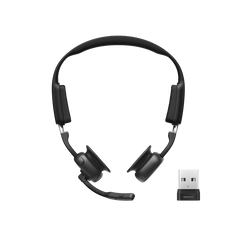
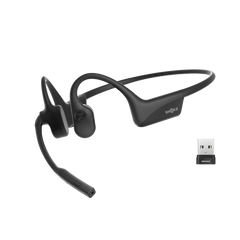
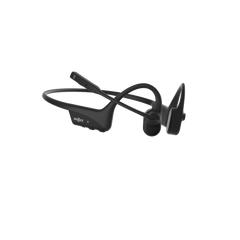
For many people, audio is part of walking, training, commuting or winding down. Some prefer music for pace, podcasts for longer walks or calls while moving between places. Listening style can affect comfort and awareness, especially outdoors or in shared spaces. Open-ear listening, used in some Open Ear Headphones, is one option for people who prefer to keep the ear canal open during parts of their day.
No single design suits every activity or environment. Fit, awareness, comfort and sound all depend on what you are doing, where you are doing it and how you like to move. Choose gear that makes the behaviour easier to repeat.

Comfort and fit during movement
Comfort is personal, and movement makes it more obvious. A fit that feels fine while sitting may feel different during a brisk walk, a gym session or a long commute. Eyewear, hats and hair styling can also affect what feels stable. If you regularly switch between work clothes, workout kit and outdoor layers, mixed-use comfort may matter more than a feature you only need once a week.
Think about duration too. For a 20-minute walk, you may tolerate something that feels less ideal. For a long training session or a day with commuting, errands and calls, small pressure points become distracting. Healthy living routines often happen in these ordinary stretches of time.
It helps to separate your main use from your occasional use. If you mostly need gear for sport, stability during faster movement may sit near the top of your list. If your routine is mostly walking, commuting and light training, easy everyday wear may matter more. If you do a mix, look for choices that reduce switching.
Awareness in different environments
Situational awareness means being able to hear what is happening nearby in real time. It can be a consideration on outdoor walks, commutes, shared paths, parks and some training spaces. The need changes by setting. A quiet indoor recovery session is different from crossing streets at rush hour or running on a shared path.
Open-ear designs can help keep the ear canal unobstructed, which may suit people who want to hear more of their surroundings while listening. It does not remove safety risks. Volume, attention, route choice, traffic, weather and other people all affect the situation. In some environments, the safer choice may be lowering the volume, pausing audio or skipping audio entirely.
Match your choice to the activity. A relaxed walk with a podcast, a hard interval session, a commute with road crossings and a mobility session at home each place different demands on sound, fit and awareness.
How Shokz Open-Ear listening can fit an active lifestyle
Shokz focuses on open-ear listening, which can be relevant if your active routine moves through different settings. For this article, the decision is practical: whether one listening style can suit a walk to work, a gym session, errands and calls without making you switch gear all day.
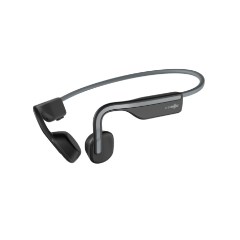
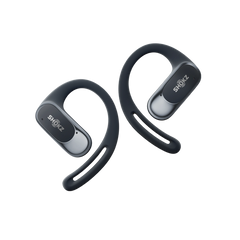
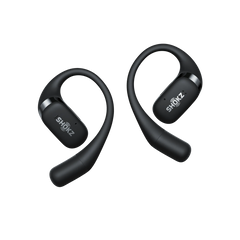
Shokz OpenDots 2 is an open-ear clip-on earbud option for people who want audio to move between workout time and everyday healthy living. Its clip-on form keeps the ear canal open and is intended to work alongside glasses and hats, while JointArc™ and contoured silicone support a secure, comfortable fit across walking, training and daily routines.


For mixed days, the same pair may need to handle music, calls and longer stretches away from home. Bassphere™ 2.0 sound and upgraded Dolby Audio are relevant if you care about detailed sound and stronger bass, while interchangeable earbuds and up to 40 hours of combined playback with the charging case are practical factors for flexible use.
Simple ways to make active living part of your routine
The easiest way to move more is often to attach movement to something that already happens. Walk for ten minutes after lunch. Stretch while the kettle boils. Do a short mobility session after shutting your laptop. Take a walking meeting when the conversation does not require a screen.
Social plans can help too. Instead of meeting only for coffee or dinner, suggest a walk first, a casual cycle, a weekend class or a low-pressure hit-around in a sport you used to enjoy. If you are returning to women's sport, you might start with one practice or social session before adding extra training. If your goal is a broader healthy lifestyle, regular walks and strength work may be enough for this season.
Short recovery sessions are useful on days when you do not have the energy for a full workout. Gentle stretching, breathing work, an easy walk or light mobility can keep the routine alive without turning every day into a high-effort day.
Review progress in ways that match your real goals. Pace, weight and workout intensity can be useful for some people, but they are not the only signs that a routine is working. Notice whether you have steadier energy, show up more often, feel less stiff or enjoy parts of the process.
Frequently Asked Questions (FAQ)
What counts as an active lifestyle if I do not have time for long workouts?
An active lifestyle can include short, repeatable movement: walking, taking the stairs, cycling short journeys, or doing mobility work before bed. The aim is to make movement part of real life, rather than relying only on long gym sessions.
How can I build a women's fitness lifestyle that actually feels sustainable?
Start with what already fits your week. Track walks, training sessions, mobility breaks and long sitting periods, then add one manageable habit at a time. That is usually easier to maintain than redesigning your whole routine at once.
Why does recovery matter in a healthy lifestyle?
Recovery matters because sleep, food, hydration and rest affect how ready you feel to move again. If you add too much too quickly, soreness or fatigue can interrupt consistency. A balanced routine gives effort and rest enough space.
Which type of activity is best for staying consistent with an active lifestyle?
The best activity is the one that fits your motivation, schedule and environment. Some people prefer solo workouts, while others stay consistent through group classes, outdoor movement or women's sport. Choose the option you are most likely to repeat.
Can gear make it easier to stick to healthy living habits?
Yes, when it reduces friction. Comfortable shoes, clothing that stays in place and audio that suits your setting can make movement easier to repeat. Useful gear should match your comfort, fit and awareness needs.
Summary: define active living in a way you can keep doing
Active living is a pattern you can keep returning to: regular movement, enough recovery and daily habits that make moving feel normal. It can include sport, gym sessions and bigger goals, but it can also include walking, mobility breaks, active commuting and recovery days.
Start with your current baseline, then add changes that fit your week. Choose activities you are more likely to repeat, adjust during busy periods and pay attention to sleep, food, hydration and rest. When you choose gear, look at comfort, fit, ease of use and the level of awareness you want in each environment.
Your own healthy living goals should set the benchmark. For one person, active living may mean returning to a team sport. For someone else, it may mean feeling less stiff after work and walking most days.