















If you have started searching for women’s football in England, you are probably trying to work out where to begin. The women’s game is no longer a niche corner of British sport. WSL fixtures fill stadiums, the Lionesses attract huge television audiences, and local girls’ and women’s sessions are easier to find than they were even a few years ago.
For most new fans, the easiest way in is not to memorise league structures. It is to choose one team, watch a full match, and let the rest of the football world connect around it. This guide explains how the game is organised, why interest keeps growing, and how you can follow players, clubs, and local football with a bit more confidence.
How women’s football in England is organised
- ✓ The Women’s Super League (WSL) is the top level and includes clubs such as Arsenal Women, Chelsea Women, Manchester City Women, and Manchester United Women.
- ✓ The Women’s Championship sits below the WSL and feeds players and clubs upward.
- ✓ Local clubs, school teams, community sessions, and grassroots leagues are where many players first enter the game.
The national team—the England Lionesses—sits across all of these layers. A major tournament often introduces new fans to a player, and club football gives that player a story that continues week after week.

Clubs, competition, and matchday culture
Following a club is usually the quickest route to feeling connected. You begin by recognising a striker or a goalkeeper; after a few matches you start noticing tactical patterns, rivalries, and the mood of the crowd.
A Saturday afternoon WSL match feels very different from watching highlights on a phone during a commute. You hear players organising each other, see substitutes warming up, and notice how supporters react when the game becomes tense. Those details are where football culture starts to feel real.
Understanding women’s football players beyond the star names
It is natural to begin with the biggest names, but football becomes much more interesting when you watch what players do away from the obvious moments.
- ✓ how a full-back chooses when to overlap,
- ✓ whether a midfielder checks her shoulder before receiving,
- ✓ how a centre-back reacts after losing possession,
- ✓ and who keeps talking when the team is under pressure.
These quieter actions often explain why coaches trust certain players even when they are not scoring goals.
How to start following women’s football confidently
You do not need to understand every league or player before you start enjoying women’s football. For many new fans, the easiest way in is simply to choose one WSL club and follow it for a few weeks. Watching a full match rather than only highlights helps you notice the team’s rhythm, the relationships between players, and the moments that make supporters care about the result.
Attending a local game can make the sport feel even more immediate. Hearing the crowd before kickoff, seeing the pace of the match in person, and watching how players communicate on the pitch often gives a stronger sense of connection than watching on a screen. Those small matchday experiences are usually what turn casual interest into a regular football habit.
If playing interests you more than watching, most grassroots clubs are happy to help beginners find a suitable session. You do not need a long football background to start; confidence usually grows through regular training and feeling welcome in the local football community.
Football routines beyond the match
One thing many new fans do not expect is how much football happens away from the ninety minutes themselves. There is the walk to the station after a match, the bus ride to training, the wait between youth fixtures, and the podcast that fills the journey home. Those small routines are often where football becomes part of everyday life.
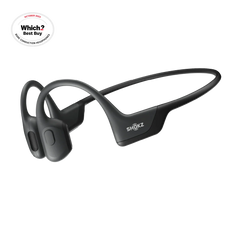
For that kind of listening, some supporters prefer open-ear headphones because they can listen while keeping their ear canal open and staying more aware of nearby sounds. Shokz Shokz OpenDots 2 is designed for moments such as commuting, walking, waiting around training sessions, and everyday listening rather than the match itself, making it a more natural fit for the routines that surround football.


Its open-ear clip-on design keeps the ear canal open and is intended to sit naturally with glasses, hats, and everyday clothing. The JointArc fit with contoured silicone supports a secure, comfortable fit for travel, walking, waiting, and light activity, while microphones in each earbud help with calls and the charging case provides up to 40 hours of combined playback.
Those small routines are often where football feels most personal. Whether it is a commute, a walk to training, or a quiet journey home after a match, audio should support the experience around football rather than compete with it.
Frequently Asked Questions (FAQ)
What is the easiest way to start following women’s football in England?
Comfort and Choose one WSL club or the Lionesses and watch several matches in a row.
Can adults start playing women’s football locally?
Yes. Many community clubs run beginner-friendly women’s sessions for adults returning to football or trying it for the first time.
Why is women's football in England growing so quickly?
Growth comes from more regular visibility, stronger player recognition, and easier routes into local participation. People are not just watching more; many are also looking for teams, sessions, matchdays, and players to follow.
What makes women's football culture in England different from just watching big matches?
Big matches can attract attention, but culture is built through repeated habits. Local fixtures, school sessions, volunteers, shared travel, and regular conversations all help make the game part of everyday football life.
 Summary: Understanding the game and your next step
Women’s football in England becomes much easier to understand when you see how the different parts connect. Club football gives the game a weekly rhythm, national-team attention brings a wider audience, and grassroots sessions, schools, families, and local clubs are what make participation feel real and accessible.
Your next step does not need to be a big one. Watch a full match rather than only a short clip, follow women’s football players across a few fixtures, attend a local game and take in the atmosphere, or ask about a nearby training session. Even supporting someone else who wants to play can be a meaningful way to engage with the sport.
The best way to stay involved is the way that fits naturally into your life. Some people will become regular matchgoers; others will play, coach, volunteer, or support from home. Many fans begin simply by learning player roles and team styles, and let their interest grow from there.