






Hiking has quietly become one of the UK’s favourite ways to spend a free day, and it is easy to see why. It costs next to nothing, it suits almost any fitness level, and good walking country is rarely more than an hour or two away.
But many people still find it a bigger step than it is when starting. Plenty of people never get past the planning stage. They worry about the right gear, the map talk, and picking a route that turns out to be twice as hard as promised.
This guide is here to fix that. It covers what hiking in the UK actually looks like, the gear worth buying, how to choose a first trail you will enjoy, and the safety habits that keep a good day out on track.
What Does Hiking Look Like in the UK?
Forget the idea that hiking means ropes and distant summits. Hiking for beginners in the UK usually looks like a two-hour woodland loop or a gentle stretch of coast path, and most of it happens on the country’s enormous network of public footpaths.
There are 15 national parks across England, Scotland, and Wales, but you do not need to live near one to get started. Public rights of way thread through farmland, forest, and coastline in every corner of the country, and most towns have waymarked routes within a short drive or bus ride.
Most beginner walks come in a few broad types:
- Lowland and woodland walks: Gentle paths through fields, forests, and country parks. Well signed, easy underfoot, and ideal for your first few outings.
- Coastal paths: Big views and simple navigation, since the sea stays on one side. Sections of the South West Coast Path range from flat strolls to leg-testing climbs.
- Moorland and fell walks: Higher, wilder, and more exposed. The Peak District, the Lake District, and Eryri (Snowdonia) offer unforgettable days, but require more planning and better kit.
The other defining feature of UK hiking is the weather. Weather conditions can change drastically within the hour, especially on higher ground, so you need to be more prepared here than you might need in other countries.
You need to keep the Countryside Code in mind wherever you walk:
- leave gates as you find them,
- take your litter home, and
- keep dogs under control around livestock.
Essential Gear for Beginner Hikers in the UK
Outdoor shops can make hiking look like an expensive hobby. It is not, at least not at the start. For flat local routes, a sturdy pair of trainers and a waterproof jacket will see you through.
Footwear First
Footwear determines how your hike will go. Walking shoes are light and fine for most lowland paths, while boots add ankle support and grip for rocky or muddy ground. Either way, wear them in on short walks before trusting them with a full day.
Pair them with proper walking socks rather than everyday cotton ones. Most blisters come from socks, not shoes.
Clothing That Handles UK Weather
Dress in layers. You need a base layer that wicks sweat, a fleece for warmth, and a waterproof shell over the top. Avoid cotton next to your skin, because it holds moisture and turns cold the moment you stop.
Add a warm hat and gloves for anything high or exposed, even in summer. Comfortable, quick-drying trousers beat jeans every time.
What Goes in Your Pack
Here are the most important hiking essentials for beginners:
- Water and food: Carry one to two litres of water and more food than you think you need. A spare snack has rescued many a long afternoon.
- Navigation: A paper map and compass are the gold standard, backed up by a mapping app with the route downloaded offline. Bring a power bank.
- First aid kit: A small kit with blister plasters, tape, and painkillers covers most trail problems.
- Headtorch: Weighs almost nothing and matters enormously if a walk runs later than planned.
- Sun cream: Yes, even in Britain. Wind and open hilltops burn faster than people expect.

How to Choose Your First UK Hiking Trail
If you are wondering how to start hiking, start smaller than you think you need to. A five to eight kilometre circular route on clear paths is the sweet spot for a first proper walk.
- Check total ascent before distance: A flat 10km is far easier than a hilly 6km. Anything over 300 metres of total climb will feel like a workout for new legs.
- Choose circular, waymarked routes: Loops are typically more interesting than out-and-back walks, and having clear signage makes navigation easier.
- Check the practical details: Ensure there is parking, toilets, and a cafe or pub at the end. These amenities can make a first hike feel like a day out rather than an expedition.
- Be realistic about pace: Most beginners cover three to four kilometres an hour once stops are counted. A plan that assumes more sets you up for a rush.
As a beginner, you have a lot to gain from following popular routes, like other walkers, well-trodden paths, and passing advice. National park websites, the Ramblers, and route apps are full of tried and tested options for beginners. When a few walks feel comfortable, add distance and height gradually.
Essential Safety and Preparation Tips for First-Timers
Hiking in the UK is very safe when you respect a few basics. Most problems on the hills trace back to skipped preparation, so the fixes are happily simple:
- Check the forecast, then check it again: Look at the Met Office forecast the night before and again on the morning. On hills, expect conditions to be colder and windier than the valley figure suggests.
- Tell someone your plan: Share your route and rough finish time with a friend or family member, and message them when you are down.
- Give yourself daylight: Start early and know when the sun sets. Time pressure is behind more bad decisions than bad weather is.
- Do not rely on phone signal: Download offline maps and know how to retrace your steps, as there might not be coverage in valleys and remote areas.
- Know when to turn back: Turning around in worsening weather is a sign of good judgement, not failure.
- If something goes wrong: Stay calm, keep warm, and return to your last known point if you can. In a genuine emergency in the hills, call 999 and ask for the police, then mountain rescue.

Discover Shokz: The Safe Open-Ear Audio Choice for Outdoor Beginners
Plenty of walkers like company on the trail: a playlist for a long climb, a podcast for a familiar loop. The catch is that standard earbuds seal your ear canal, and on a hike that means losing the sounds you actually need, from a bike bell on a shared path to a quad bike coming through a gate, or simply the birdsong that makes the walk worth doing.
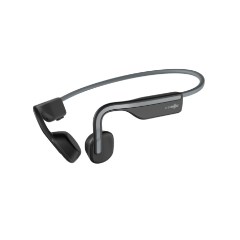
Open-ear headphones leave your ears completely uncovered and deliver audio without blocking the world out, which is why Shokz designs its sports range around exactly this kind of outdoor use.
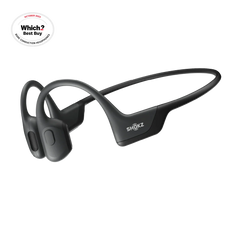
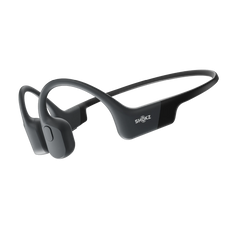
Shokz OpenRun Pro 2: Built for Faster Days Out
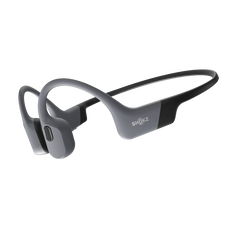
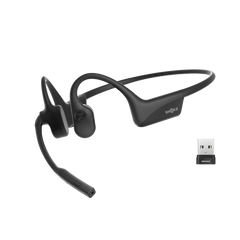
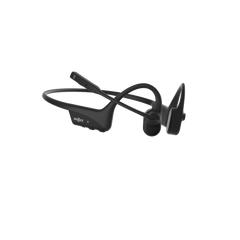
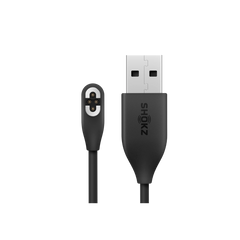
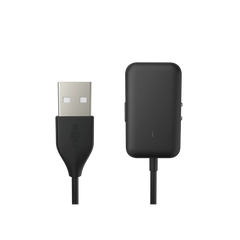
The Shokz OpenRun Pro 2 is the pick for hikers who move quickly, mix walking with trail runs, or head for higher ground. It uses bone conduction to send sound through your cheekbones while your ears stay fully open, and DualPitch™ technology adds a dedicated air conduction speaker for bass, so it sounds far richer than older bone conduction designs.
The wraparound nickel-titanium frame weighs just 30.3g and stays put over stiles, scrambles, and steep descents, and the battery outlasts even an ambitious day walk.
Key features:
- DualPitch bone conduction and air conduction drivers for fuller sound
- Ears stay completely open for awareness on trails and lanes
- Up to 12 hours of playback on a single charge
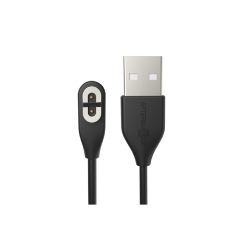
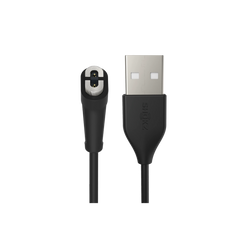
- 5-minute quick charge adds around 2.5 hours
- IP55 rating handles sweat and British drizzle
- 30.3g wraparound frame with a secure, bounce-free fit
- Bluetooth 5.3 with multipoint pairing
- Dual noise-cancelling mics for clear calls on the move


Shokz OpenFit 2+: All-Day Comfort for Slower Miles
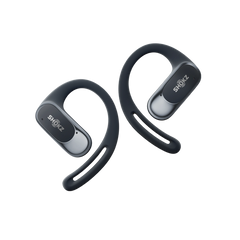
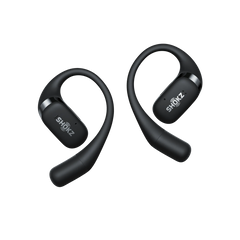
If you prefer a true wireless design, the Shokz OpenFit 2+ is the right option. It hooks softly over each ear, weighs 9.4g per earbud, and uses DualBoost™ drivers with Dolby Audio for warm, detailed sound. The open design keeps you aware of everything around you, while Ultra-Soft Silicone™ 2.0 keeps the fit comfortable from the first stile to the last.
A bonus is that it has both physical buttons nd touch controls, so you can pause, next, and do more when your fingers are frozen or gloved. And like its sportier sibling, it is built to handle wet weather.
Key features:
- Open-ear hook design with no pressure in the ear canal
- DualBoost dual drivers with Dolby Audio support
- Up to 11 hours per charge, 48 hours with the charging case
- 10-minute quick charge adds around 2 hours
- IP55 water and sweat resistance
- 9.4g per earbud with Ultra-Soft Silicone 2.0 finish
- Physical buttons that work with gloves on
- Bluetooth 5.4 with multipoint pairing


If your walks lean quick, hilly, and sweaty, go for the OpenRun Pro 2. If you want one comfortable pair for the trail, the commute, and everything in between, the OpenFit 2+ is the more versatile companion.
Common Questions About Beginner Hiking in the UK
How do I start hiking as a complete beginner?
- Pick a short, waymarked circular route of five to eight kilometres.
- Check the forecast, and go with a friend if you can.
- Wear comfortable, worn-in footwear, and dress in layers.
- Carry water, snacks, and treat the first few walks as practice rather than challenges.
What are the essential items for a beginner hiker?
The core hiking essentials for beginners are worn-in footwear with grip, a waterproof jacket, warm layers, water, food, a map or offline mapping app, a small first aid kit, and a fully charged phone. A headtorch and a power bank are small additions that cover you if a walk runs long.
Do I need walking boots for my first hike?
Not necessarily. For dry lowland paths, sturdy trainers or walking shoes are fine, and many experienced hikers prefer them. Boots become worth it on rocky, muddy, or steep ground, where you need ankle support and deeper tread. Whatever you choose, wear it in before a long day.
Can I wear headphones while hiking?
Yes, as long as you can still hear what is happening around you. Open-ear designs such as the OpenRun Pro 2 leave your ears uncovered, so you keep your music while staying alert to bikes, livestock, other walkers, and the weather. Sealed earbuds are the type to avoid on a trail.