

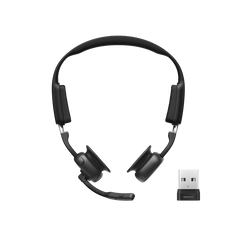




Swimming laps can be wonderfully calming… until the silence starts to feel, well, a little too quiet. If you've ever wished you could listen to tunes, a podcast, or training cues while in water, know that regular earbuds just don't cut it. That's why swimming headphones have become increasingly popular among fitness swimmers, triathletes, and casual pool-goers alike.
These clever gadgets are designed specifically for life underwater, as they solve problems that ordinary wireless earbuds can't even touch. But before you dive in and pick a pair, it helps to know a bit about how swimming headphones actually work, which features make a real difference, and what some of the top options on the market look like today.
Why Regular Headphones Don't Work in the Pool
So, why do your usual headphones fail so spectacularly in the pool? Well, for starters, water and regular Bluetooth just don't get along. Signals can't travel well underwater, which means your carefully curated playlist will quickly turn into silence. Then there's the fit, as even the snuggest earbuds have a habit of popping out mid-lap, especially when you're doing flip turns or pushing off the wall.
And, of course, there's the risk of water damage. Most standard headphones aren't designed to handle even a splash, let alone full submersion, so your trusty tunes could end up as a very expensive paperweight. In short, swimming in peace requires more than simply grabbing your everyday earbuds.

What Are Swimming Headphones?
If you've ever wondered what makes swimming headphones so different, here's the short answer: they're built specifically for life underwater. Unlike regular earbuds or sports headphones, these are designed to stay secure, stay dry (or at least remain working in water), and deliver clear sound even when fully submerged.
Swimming headphones are waterproof and purpose-built. That means they can survive flip turns, dives, and long training sessions without falling apart. Some are made for the pool, others for open-water swimming, and a few are versatile enough for both. Either way, the focus is on keeping music flowing and your ears safe.
Waterproof vs Water-Resistant Headphones for Swimming
Not all "waterproof" headphones are created equal, and the terms can be confusing. Water-resistant headphones can handle splashes, sweat, and maybe a quick rinse, but they aren't built for full submersion. If you try to swim with them, there's a good chance water will get in and damage the electronics. So if you're thinking, "I'll just dunk my regular earbuds," think again.
Understanding IP Ratings
Most swimming headphones come with an IP rating, which tells you how well they resist water and dust. The higher the number, the more protection. For swimmers, the key rating to look for is IPX8 – it means the headphones can survive full submersion, usually for long enough to handle a training session or even an open-water swim.
Why Water-Resistant Isn't Enough
Going for just "water-resistant headphones" may be fine for the gym or a light splash, but underwater use is a whole different ball game. True waterproof headphones give you peace of mind, so you can focus on your stroke, not on whether your music will survive the lap.
How Do Swimming Headphones Work Underwater?
Now that we know why regular headphones fail, it's worth having a closer look at how swimming headphones actually get sound to your ears, even underwater. It's a mix of clever design and smart tech.
Why Bluetooth Fails in Water
First off, don't expect your typical wireless headphones to stream Spotify while submerged. As we've mentioned, Bluetooth signals just don't travel through water, which is why most water-resistant headphones for swimming don't rely on it. Trying to force it is a recipe for frustration and silence mid-lap. Instead, many models store music directly on the device, so you can enjoy your playlists without needing a live connection.
Bone Conduction Technology Explained
Some of the smartest swimming headphones use bone conduction. Instead of sending sound into your ear canal, these headphones transmit vibrations through your cheekbones directly to your inner ear. That means your ears stay open, perfect for staying aware of your surroundings at the pool, and you don't have to worry about water leaking into delicate electronics.
If bone conduction isn't your style, there are also fully sealed in-ear waterproof headphones. These are designed to fit snugly in your ear canal and keep water out while delivering crisp audio. The trade-off? They can feel a little more isolated and may need extra care for hygiene.
Open-Ear vs In-Ear Headphones for Swimming
When it comes to swimming headphones, the big question is: open-ear or in-ear? Both get the job done, but they give very different vibes in the water, and the right choice really comes down to what makes your ears happy.
In-ear headphones tuck right into your ear canal, sealing out the water and blasting sound straight to your eardrum. Some swimmers love that "locked-in" feeling, especially when powering through sprint sets. But let's be honest – after a long session, that snug fit can start feeling a bit… suffocating.
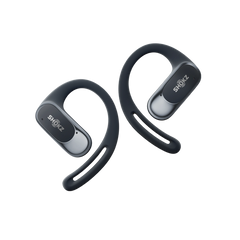
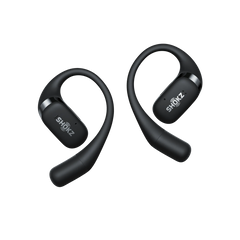
Open-ear headphones take a very different approach, resting just outside your ears so your canals stay free and breezy. It's like giving your ears a mini spa day while still enjoying your tunes, lighter, comfier, and perfect for swimmers who want freedom without sacrificing the soundtrack.
Key Features to Look for in Swimming Headphones
With so many swimming headphones out there, it can feel a bit overwhelming. But the truth is, a few key features make all the difference once you hit the water. The right pair should be easy to use, comfy enough to forget you're wearing them, and reliable lap after lap. Here's what's worth paying attention to:
- Proper waterproof rating: This is non-negotiable. Look for IPX8, which means these headphones can handle full submersion without throwing in the towel. Anything labelled "water-resistant" might survive a splash, but don't expect it to survive your flip turns.
- Built-in music storage: Because Bluetooth and water are sworn enemies, most swimming headphones store your music directly on the device. That way, you can swim your fastest without dragging your phone behind you like a flotation device.
- Secure, comfortable fit: No one wants headphones slipping mid-stroke or digging into their ears after a few laps. Look for a pair that stays put while letting you forget they're even there.
- Easy controls in the water: Touchscreens and wet fingers are a comedy of errors. Physical buttons that you can feel and press mid-swim make skipping tracks or adjusting volume way less frustrating.
- Battery life for training sessions: The last thing you need is your music cutting out halfway through a set. A solid battery keeps your soundtrack going strong for multiple swims without constant recharging.
- Multi-sport versatility: If you like to mix things up, some headphones double as great running, cycling, or gym companions. One device for multiple workouts? That's a win in anyone's book.
Top-Rated Swimming Headphones in 2026
Now for the fun part, and that's exploring some of the swimming headphones that swimmers are actually reaching for these days. Let's look at some of the top-rated swimming headphones that stand out right now.
1. Shokz OpenSwim Pro
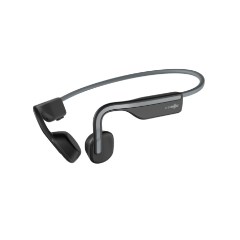
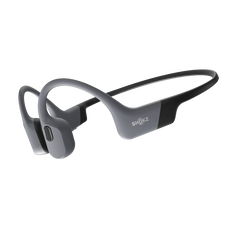
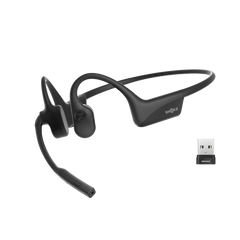
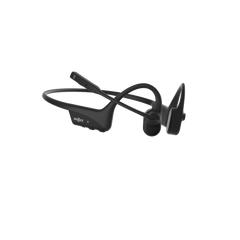
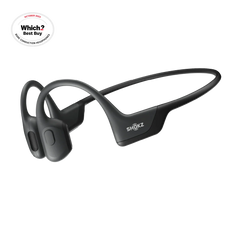
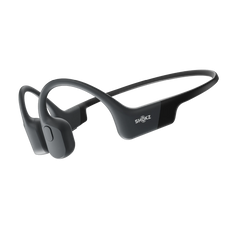
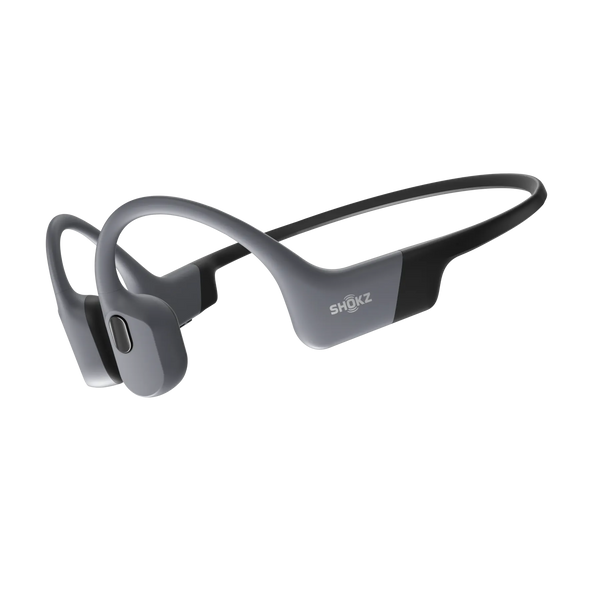
This one's a favourite for anyone who likes to keep their ears free. Using bone conduction technology, Shokz OpenSwim Pro sends sound through your cheekbones rather than clogging up your ears. That means long sessions stay comfortable, and you can still hear what's going on around you. With IPX8 waterproofing and built-in music storage, it's perfect for both pool workouts and open-water swims. Bonus: it transitions easily to land workouts, so you can wear it for running or gym sessions too.


2. FINIS Duo
A tried-and-true option for lap swimmers, the FINIS Duo also uses bone conduction and clips securely against the cheekbones. The music player is built right into the headset, making it lightweight and fuss-free. It's mainly designed for pool training rather than multi-sport use, but if you want something simple that just works, this is a solid pick.
3. Sony NW-WS623 Waterproof Walkman
Taking a different route, Sony combines sealed in-ear earbuds with a built-in music player and Bluetooth for dry-land use. It's versatile and can easily handle gym sessions or commuting. The catch? Because it relies on in-ear tips, some swimmers find it less comfy for long sessions, and getting a perfect seal can take a bit of trial and error.
4. H2O Audio Tri Multi-Sport
Built for triathletes and anyone who moves between cycling, swimming, and running, this series is durable and sport-focused. Some models support both MP3 playback and Bluetooth, which makes them versatile for workouts on land, too. Comfort can vary depending on whether you prefer in-ear or bone conduction, but they're well-loved for their reliability and tough design.
|
Model |
Design Type |
Waterproof Rating |
Built‑in Music Storage |
Bluetooth (Dry‑Land Use) |
Best For |
|
Shokz OpenSwim Pro |
Open‑ear (bone conduction) |
IPX8 |
Yes |
Yes |
Pool & open‑water swimmers who want awareness + multi‑sport versatility |
|
FINIS Duo |
Bone conduction |
IPX8 |
Yes |
No |
Lap swimmers who want simple, swim‑focused performance |
|
Sony NW‑WS623 Waterproof Walkman |
In‑ear |
IPX8 |
Yes |
Yes |
Versatile use (swim + gym + commute) |
|
H2O Audio Tri Multi‑Sport Series |
Varies (in‑ear & bone) |
IPX8 |
Yes |
Yes |
Triathletes and multi‑sport athletes |
Can Swimming Headphones Be Used Outside the Pool?
Absolutely, and that's part of what makes them so appealing. While these headphones are built to survive dives, flips, and laps, many models also work beautifully as everyday training companions outside the pool.
If your pair has built-in music storage, you can take your playlists along for runs, bike rides, gym sessions, or even your commute – no phone required. Some even offer Bluetooth for dry-land use, so switching from swimming to running is as easy as hopping out of the pool.
Of course, keep in mind that bone conduction and in-ear designs behave differently on land. What feels perfect while slicing through the water might feel a little odd during a long run. Still, for those who like one versatile set of headphones across all workouts, it's a total win.
Make Every Lap More Enjoyable
Who says swimming has to be silent and monotonous? The right pair of swimming headphones can turn even the longest, most repetitive laps into something you actually look forward to, whether that's blasting your favourite playlist during a tough training set or zoning out with a podcast on a chill recovery swim.
The trick is picking headphones that are designed specifically for underwater use: proper waterproofing, a secure fit, and technology that actually works where regular earbuds would give up. Luckily, today's market has plenty of options, from snug in-ear designs to open-ear bone conduction models, so there's something for almost every kind of swimmer.
If you're ready to take your pool sessions to the next level, it's worth checking out modern swimming-focused headphones, like the Shokz OpenSwim Pro. With the right soundtrack, your next lap might just be the one you can't wait to swim.

Frequently Asked Questions
1. Are swimming headphones really waterproof?
Most swimming headphones are designed to be fully waterproof, typically with an IPX8 rating, meaning they can handle full submersion in water. Always double-check the specs before diving in because water-resistant models are better for sweat or splashes, not actual laps.
2. Can I use swimming headphones for running or gym workouts?
Yes! Many modern swimming headphones, including models from Shokz, double as versatile workout companions. Some offer Bluetooth connectivity for dry-land use, while others have built-in music storage, so you can leave your phone poolside and still enjoy your favourite tunes.
3. What's better for swimming – in-ear or open-ear headphones?
It depends on personal preference. In-ear designs provide a snug fit and block water, while open-ear bone conduction models keep your ears free and comfortable, letting you stay aware of your surroundings. Both can work well, so it's all about what feels best for you during long sessions.
4. How do I keep swimming headphones secure during flips and turns?
Look for models with a comfortable, secure fit designed specifically for swimming. Bone conduction headphones like the Shokz OpenSwim Pro clip snugly around your cheekbones, while in-ear options often come with different-sized ear tips to prevent slipping.