





Preparing for your first AJ Bell Great North Run or aiming for a new personal best? The right running headphones can help you stay motivated through early starts, tempo sessions and weekend long runs.
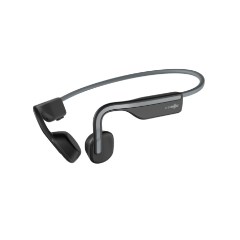
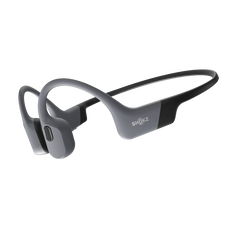
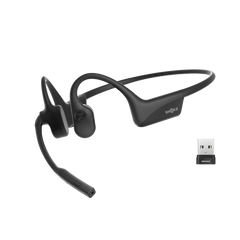
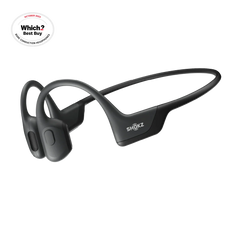
For Great North Run training, Shokz OpenRun Pro 2 is our premium choice, while Shokz OpenRun is a lighter, lower-priced option for everyday sessions. Both use an open-ear design to help you enjoy music, podcasts or coaching without blocking your ears.
This guide explains how to choose the best running headphones for half marathon training, compares the two models and shares practical race-day advice.
- Best Great North Run headphones at a glance
- Getting Ready for the 2026 AJ Bell Great North Run
- Why Choose Open-Ear Headphones for Running
- How to choose headphones for half marathon training
- Best running headphones for Great North Run 2026
- Great North Run Race-Day Tips
- Final Thoughts
- Frequently Asked Questions
Best Great North Run Headphones at a Glance
| Model | Best For | Key Specs | Fit |
|---|---|---|---|
| OpenRun Pro 2 | Premium sound and longer battery life | 30.3g · 12h battery · IP55 | Wraparound frame, available in standard and mini sizes |
| OpenRun | Lightweight everyday training and value | 26g · 8h battery · IP67 | Wraparound titanium frame |
✔ Choose OpenRun Pro 2 if you prioritise premium performance, enhanced bass and longer battery life.
✔ Choose OpenRun if you prefer a lighter design, a lower price and a higher water-resistance rating for everyday outdoor training.
👉 Compare Shokz running headphones

Getting Ready for the 2026 AJ Bell Great North Run
Every September, thousands of runners gather in Newcastle to take on one of the UK's most iconic running events. Stretching 13.1 miles (21.1 km) from Newcastle upon Tyne to South Shields, the AJ Bell Great North Run attracts everyone from first-time participants to experienced club runners and elite athletes.
Whether your goal is to cross the finish line or achieve a personal best, race day is only one part of the journey. Half marathon preparation usually involves weeks of consistent training, gradual mileage increases and dedicated recovery.
Long runs become part of your weekend routine, tempo sessions test your pace and easier runs help your body adapt. Reliable equipment can make these sessions more enjoyable and reduce unnecessary distractions.
Shoes, watches and nutrition often receive the most attention, but comfortable running headphones can also support your training. You might use them for:
- Energising playlists during challenging sessions
- Podcasts on easy or recovery runs
- Guided training programmes and coaching
- Maintaining a consistent rhythm on long-distance runs
Why Choose Open-Ear Headphones for Running
Unlike traditional earbuds, open-ear headphones for running do not seal the ear canal. This lets you listen while remaining more connected to sounds around you.
Greater awareness during outdoor training
Running outdoors requires more than endurance—it requires awareness.
Training for the Great North Run may take you through city streets, shared parks, riverside paths and residential roads. Cyclists, pedestrians and traffic can all be part of your route.
Open-ear headphones let you hear more of these surrounding sounds without repeatedly removing an earbud. You can also remain more aware of fellow runners and instructions during organised sessions.
Open-ear listening does not replace paying attention to your surroundings. Keep the volume at a sensible level and follow local road and event guidance.
Comfort over long distances
Traditional earbuds sit inside the ear canal and may become uncomfortable during extended wear. Open-ear headphones rest outside the ear, reducing pressure in the ear canal during longer training sessions.
A lightweight, secure design can also reduce the need for adjustments when your pace increases or you begin to sweat.
Enjoy the Full Race Day Atmosphere
The Great North Run features cheering crowds, live music, volunteers and supporters along the route. Open-ear headphones allow you to enjoy your playlist without completely blocking out the atmosphere that makes the event memorable.
They offer a balance between personal motivation and connection to the race around you.

How to choose headphones for half marathon training
A quick 5K and a two-hour long run place different demands on your headphones. Before choosing a pair, consider how they will perform across your entire training plan.
Look for a secure fit
You should not have to keep adjusting your headphones as you run. A wraparound frame or another secure support design is less likely to move during intervals, long runs and race-day efforts.
Before choosing a pair, ask yourself:
- Does the design remain stable when you sweat?
- Is it secure when your pace changes?
- Can you wear it comfortably with your usual glasses or running cap?
- Would a Standard or Mini size suit you better?
Whenever possible, use your chosen headphones during several training sessions before race day.
Prioritise long-wear comfort
Comfort becomes more important as your training distances increase. Choose a lightweight design that does not place unwanted pressure on or inside your ears.
Traditional earbuds may cause discomfort after prolonged wear because they sit inside the ear canal. Open-ear headphones rest outside the ear, reducing pressure and allowing for a more natural listening experience during extended sessions.
Choose enough battery life
Your battery needs should cover more than the run itself. Allow for warm-ups, cool-downs and travel time if you plan to keep listening before or after training.
Reliable battery life is particularly useful when your weekly mileage increases. Quick charging can also help when you need to fit an unplanned session into a busy day.
Check sweat and rain resistance
British weather can change quickly, and sweat is unavoidable during harder sessions. Choose headphones with a water-resistance rating suited to your typical training conditions.
An IP rating indicates a product’s level of protection, but ratings differ between models. Always follow the product’s care and usage guidance.
Consider controls and connectivity
Running headphones should be straightforward to operate while you are moving. Think about how easily you can adjust playback or use other controls without interrupting your stride.
A stable Bluetooth connection also helps prevent distractions during music, podcasts and guided sessions.
Best running headphones for Great North Run 2026
Every runner has different goals and experience levels, but after considering comfort, awareness, battery life and overall running performance, two Shokz models stand out for runners preparing for the 2026 AJ Bell Great North Run.
1. Shokz OpenRun Pro 2: best premium option


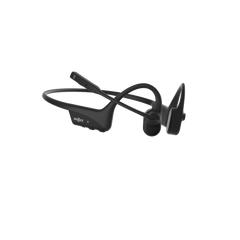
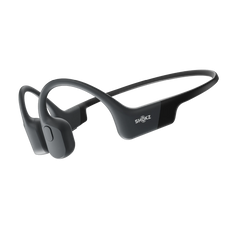
The Shokz OpenRun Pro 2 is designed for runners who prioritise premium open-ear listening, enhanced bass and a secure wraparound fit.
At 30.3g, its frame distributes weight evenly without requiring ear hooks. It combines bone conduction and air conduction, making it a versatile choice for music, podcasts and coaching during long-distance training.
What sets it apart for marathon running:
Core Technology
- Dual-driver system combines bone conduction for clear vocals with air conduction speakers for deeper bass.
- 10th-generation bone conduction technology delivers clearer, more refined sound than previous generations.
- Reduced vibration improves comfort during long-distance training and race-day wear.
Durability Features
- Nickel-titanium memory alloy frame remains secure and durable through repeated use.
- IP55 water-resistance rating protects against sweat and light rain.
- Up to 12 hours of battery life is enough for marathon training and race day.
Runner-Focused Features
- Dual noise-reducing microphones help keep calls clear in outdoor environments.
- Bluetooth 5.3 provides a stable wireless connection while running.
- Available in Standard and Mini sizes for a more personalised fit.
Best for: Runners seeking premium performance, enhanced bass, longer battery life and a secure wraparound design.
2. Shokz OpenRun: best value option


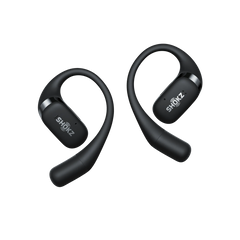
The Shokz OpenRun is a lightweight option for first-time Great North Run participants and runners looking for dependable everyday performance at a more accessible price.
Its 26g wraparound titanium frame is designed to stay secure without bouncing. The open-ear design lets you listen while remaining more aware of traffic, fellow runners and announcements.
Here's what makes it ideal for half marathon training:
Comfort and Fit
- Lightweight 26g titanium wraparound frame stays secure without bouncing during runs.
- Open-ear design keeps you aware of traffic, fellow runners and race announcements.
- Ergonomic fit provides lasting comfort during easy runs, speed sessions and long-distance training.
Performance
- PremiumPitch™ 2.0+ technology delivers clear audio with enhanced bass.
- Up to 8 hours of battery life supports multiple training sessions on a single charge.
- 10-minute Quick Charge provides up to 1.5 hours of listening time when you're short on time.
Practical Benefits
- IP67 waterproof rating protects against sweat and rain during outdoor training.
- Lightweight construction helps reduce fatigue during extended wear.
- Bluetooth connectivity provides a stable wireless connection throughout your run.
Best for: Beginner and intermediate runners who want lightweight comfort, reliable performance and good value for regular training.
Great North Run Race-Day Tips
A little preparation can help you feel more confident and enjoy the full 13.1-mile experience.
1. Check the latest event guidance
Before race day, review the official Great North Run event information for current guidance on headphones, baggage and start waves.
Event policies can change, so do not rely solely on advice from a previous year. Follow all instructions from race officials and marshals.
2. Stick to the Gear You've Trained With
Race day isn't the time to try new equipment. Wear the same shoes, clothing, and headphones you've already tested during your training runs. Familiar gear reduces distractions and helps you stay comfortable over the full 13.1 miles.
If you're using running headphones, make sure they're fully charged the night before and paired with your preferred playlist or training app in advance.
3. Keep the volume sensible
One of the highlights of the Great North Run is its incredible atmosphere. From cheering crowds to live entertainment and encouragement from fellow runners, there's plenty to experience along the course.
If you choose to listen to music, keep the volume at a level that still allows you to hear race announcements, marshals, and runners around you. Open-ear headphones can help you enjoy your playlist while remaining connected to the event and your surroundings.
Final Thoughts
Whether you're taking on your first AJ Bell Great North Run or working towards a new personal best, choosing the right headphones can make every training session more enjoyable and every race-day mile more comfortable.
If you're looking for premium performance, Shokz OpenRun Pro 2 is our top recommendation for marathon and half marathon training. For runners seeking excellent value without compromising on comfort and safety, OpenRun remains a dependable choice for everyday running.
Whichever model you choose, the best headphones are the ones that help you train consistently, run confidently, and enjoy every mile—from your first training session to crossing the finish line.

Frequently Asked Questions
1. What is the AJ Bell Great North Run?
The AJ Bell Great North Run is one of the world's largest half marathons, covering 13.1 miles (21.1 km) from Newcastle upon Tyne to South Shields. Every year, it attracts tens of thousands of runners, from beginners completing their first race to experienced athletes chasing personal bests.
2. Are headphones allowed during the Great North Run?
Yes. Headphones are generally permitted during the Great North Run. However, organisers recommend that participants remain aware of their surroundings and follow instructions from race officials throughout the event. Using open-ear headphones can help runners enjoy music while still hearing announcements, fellow participants, and the atmosphere along the course.
3. Why are open-ear headphones good for running?
Open-ear headphones allow you to listen to music without blocking your ears, helping you stay aware of traffic, cyclists, pedestrians, and other important sounds around you. This makes them a popular choice for outdoor running, particularly during road races and long-distance training.
4. How Do I Stop Headphones Slipping When I Sweat?
Stability is best achieved through external mechanical support rather than ear canal friction. Wraparound titanium frames or silicone-coated ear hooks utilize the ear’s cartilage and the back of the head as anchor points.
These materials maintain their coefficient of friction even when moisture levels rise, preventing displacement during the repetitive impact during long-distance marathon running.
5. Are Open-Ear Earbuds OK in Light Rain?
Resistance levels depend on the specific IP certification. An IPX5 rating is the benchmark here, verified to withstand sustained water jets from any angle, a standard that comfortably exceeds the demands of typical British drizzle.
This protection seals the internal circuitry against both rainwater and the high salinity of sweat, preventing the hardware failure or short-circuiting that often plagues standard buds during high-intensity marathon or long-distance race efforts.