





Preparing for your first AJ Bell Great North Run? Whether you're taking on your first half marathon or returning to improve your personal best, having a structured training plan can make all the difference.
Six weeks is a short preparation window for a half marathon, but it can be enough if you already have a consistent running base. This 6-week half marathon training plan is for runners who can comfortably complete 5 km (3.1 miles) and want to prepare for the AJ Bell Great North Run 2026.
The plan includes three running days per week, cross-training, recovery and a race-week taper. You will also find guidance on pacing, hydration, gear and running headphones to help you prepare for the 13.1-mile route from Newcastle to South Shields.
- Can You Prepare for a Half Marathon in 6 Weeks?
- How to Use This Great North Run Training Plan
- 6-Week Half Marathon Training Schedule
- Half marathon pace and intensity guide
- Essential Gear for Half Marathon Training
- Shokz Headphones for Great North Run training
- Great North Run race-week and race-day tips
- Conclusion
- Frequently Asked Questions

Can You Prepare for a Half Marathon in 6 Weeks?
Yes, but only if you already have a basic level of running fitness.
This six-week plan is best suited to runners who:
- Can comfortably run 5 km(3.1 miles) without stopping
- Already exercise two or three times a week
- Have recently completed a 5K or 10K
- Want to complete a half marathon rather than chase a specific finishing time
- Can commit to three weekly runs plus recovery or cross-training
This plan is not intended for someone starting from zero. If you are completely new to running, returning after a long break or currently managing an injury, choose a longer half marathon training programme.
Before you start: This is a general training guide, not personalised medical advice. Adjust sessions according to your fitness and recovery. Stop running if you experience pain rather than normal training discomfort, and seek appropriate professional advice when needed. Do not try to compensate for a missed session by doubling your next workout.
The aim is not to run every session at maximum effort. Instead, you will gradually increase your long-run distance, balance harder sessions with recovery, and taper before race day.
How to use this Great North Run training plan
The schedule includes three runs each week:
- Easy Run: Builds aerobic fitness and supports recovery.
- Quality Session: Includes controlled faster efforts to improve speed and efficiency.
- Long Run: Gradually increases endurance for race day.
You can move the sessions to different days, but avoid placing the quality session and long run on consecutive days. Rest days are a core part of the plan, not missed training.
✔ A typical week could look like this:
- Monday – Rest
- Tuesday – Easy Run
- Wednesday – Cross-Training or Strength Work
- Thursday – Quality Session
- Friday – Rest
- Saturday – Long Run
- Sunday – Gentle Cross-Training or Recovery
6-Week Half Marathon Training Schedule
Distances are shown in both miles and kilometres. If the upper end of a distance range feels too demanding, choose the shorter option or use a run-walk approach.
✔ Training Plan Overview
| Week | Easy Run | Quality Session | Long Run | Cross-Training | Rest & Recovery | Weekly Focus |
|---|---|---|---|---|---|---|
| 1 | 2–3 miles (3–5 km) | 2 miles (3 km) easy with a slightly quicker finish | 4 miles (6.5 km) | 1–2 gentle sessions | At least 2 rest days | Establish a consistent routine |
| 2 | 2–3 miles (3–5 km) | 2–3 miles (3–5 km) with short faster efforts | 5 miles (8 km) | 1–2 gentle sessions | At least 2 rest days | Build consistency |
| 3 | 3 miles (5 km) | 3 miles (5 km) including a steady section | 6 miles (9.5 km) | 1 gentle session | At least 2 rest days | Increase endurance |
| 4 | 3–4 miles (5–6.5 km) | 3–4 miles (5–6.5 km) steady running | 7 miles (11 km) | 1 gentle session | At least 2 rest days | Prepare for peak training |
| 5 | 3 miles (5 km) | 3 miles (5 km) controlled | 8 miles (13 km) Up to 10 miles (16 km) for experienced runners |
1 short session | At least 2 rest days | Complete peak week |
| 6 | 2–3 miles (3–5 km) | 1 short relaxed run | Race Day: 13.1 miles (21.1 km) | Walking or mobility only | Prioritise rest | Taper and arrive fresh |
✔ Training Tip: Most runs should feel comfortable. Save your energy for consistency rather than trying to run every session at race pace.
Week 1: Establish Your Routine
Keep all three runs controlled and focus on completing them comfortably. Your long run should feel slower than your shorter runs, even if the pace initially seems very easy.
Cross-training such as cycling, swimming or yoga can support fitness without adding extra running volume.
Week 2: Build Consistency
Increase the long run to approximately 5 miles (8 km). During the quality session, add a few short, controlled faster efforts if you feel comfortable, but avoid sprinting.
The goal is to finish each session feeling as though you could have done a little more.
Week 3: Increase the Long Run
Your long run reaches approximately 6 miles (9.5 km). This is a good opportunity to practise the clothing, hydration and nutrition you plan to use on race day.
Continue to keep most of your running easy and conversational.
Week 4: Build Endurance
Increase the long run to around 7 miles (11 km). Monitor fatigue levels and adjust pace or distance if necessary.
Keep cross-training gentle and avoid introducing demanding new workouts.
Week 5: Complete Your Peak Week
This week contains your longest training run. For most runners, approximately 8 miles (13 km) is sufficient preparation.
Runners with a stronger existing base may extend the run to 10 miles (16 km), but there is no need to complete the full race distance before race day.
Week 6: Taper for Race Day
Reduce training volume to allow your body to recover from the previous five weeks. Complete one or two short, relaxed runs and focus on rest.
You will not gain meaningful fitness during race week. The priority is arriving at the start line feeling fresh, confident and ready to run.
Half marathon pace and intensity guide
You do not need to follow exact pace targets to use this plan effectively. Use effort and breathing to guide each session.
Easy runs
Run at a conversational pace. You should be able to speak in full sentences without struggling for breath.
Quality sessions
These sessions include short sections at a controlled, moderately harder effort. You should still feel in control and should not be sprinting.
If you are tired, replace the quality session with another easy run.
Long runs
Run your long sessions at an easy, sustainable pace. Their purpose is to build endurance and confidence, not test your fastest possible half marathon pace.
Walking breaks are acceptable, particularly for first-time half marathon runners. A planned run-walk strategy can also help you manage effort consistently.
Essential Gear for Half Marathon Training
Reliable gear helps you concentrate on your running rather than discomfort or distractions. Test everything during training and avoid using brand-new equipment on race day.
Running Shoes
A well-fitted pair of running shoes should always be your first investment. Choose shoes that suit your running style and replace them before they become excessively worn. If possible, avoid racing in a brand-new pair that hasn't been tested during training.
Comfortable Running Clothing
Technical running clothing helps regulate body temperature and reduces irritation during longer runs. As your long runs increase beyond 10 km, breathable fabrics and well-fitting gear become increasingly important for overall comfort.
Hydration and Nutrition
Longer training sessions are the perfect opportunity to practise your hydration strategy. Carrying water or planning routes with refill points can help you stay hydrated, while testing energy gels or snacks during training allows you to discover what works best before race day.
Running Headphones
Music, podcasts and guided coaching sessions can help maintain motivation and rhythm during training.
For outdoor running, it is also important to consider your awareness of approaching traffic, cyclists and other runners. Open-ear headphones allow you to enjoy audio without blocking your ears.
That's why many runners preparing for road races are now choosing open-ear headphones.
Shokz Headphones for Great North Run training
Your headphones should be comfortable, secure and tested before any long training session or race. Always use a sensible listening volume and check the event’s current headphone rules before race day.
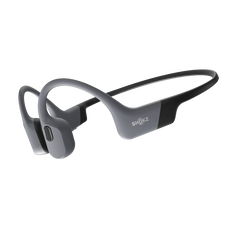
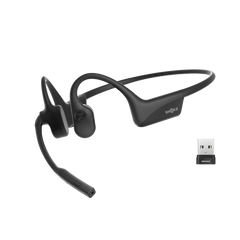
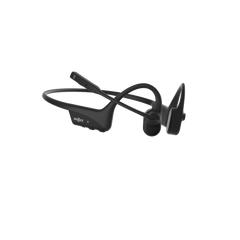
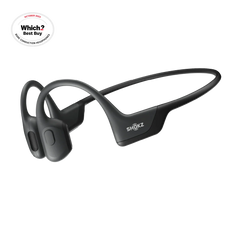
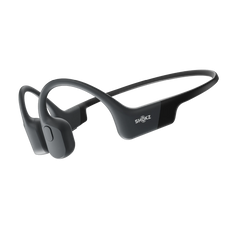
Shokz OpenRun Pro 2:Best for Long-Distance Training
If you're looking for premium performance throughout your half marathon training, Shokz OpenRun Pro 2 is our top recommendation. Its lightweight open-ear design keeps you comfortable during long runs while allowing you to stay aware of traffic, fellow runners, and race announcements.
Why choose Shokz OpenRun Pro 2?
- DualPitch™ Technology for rich, balanced sound
- Lightweight and secure fit for long-distance comfort
- Up to 12 hours of battery life for extended training
- IP55 water resistance for sweat and light rain
Whether you're building endurance during training or lining up on race day, OpenRun Pro 2 delivers the comfort, awareness, and performance serious runners need.


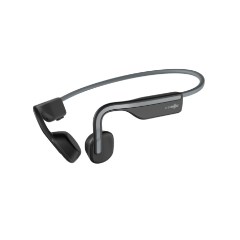
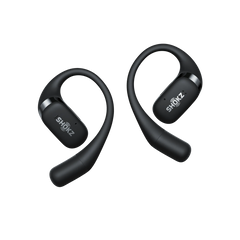
Shokz OpenRun:Best Value for New Half Marathon Runners
If you're training for your first Great North Run, Shokz OpenRun offers an excellent balance of comfort, reliability, and value. Designed specifically for outdoor running, its lightweight open-ear design helps you enjoy your music while staying aware of your surroundings.
Why choose Shokz OpenRun?
- Lightweight 26g design with a secure fit
- PremiumPitch™ 2.0+ technology for clear audio
- Up to 8 hours of battery life with Quick Charge
- IP67 waterproof rating for sweat and rain
OpenRun is an ideal choice for beginner runners looking for dependable performance throughout every stage of their half marathon training.


Great North Run race-week and race-day tips
After six weeks of consistent training, race week is all about arriving at the start line feeling rested, confident, and ready to enjoy the experience. Rather than trying to squeeze in extra miles, focus on recovery and sticking to the routine you've already built.
Here are a few final tips to help you prepare for the Great North Run:
Stick to your taper
Resist the temptation to fit in one last long run. Short, easy runs will keep your legs moving while allowing your body to recover from weeks of training.
Prioritise sleep and balanced meals
Aim for several nights of quality sleep leading up to race day rather than worrying about the night before. Continue eating balanced meals and stay well hydrated throughout the week.
Practise Your Race-Day Routine
Prepare everything you'll need the evening before the race, including your race bib, running shoes, clothing, nutrition, and headphones. Having everything ready helps reduce unnecessary stress on the morning of the event.
Use Gear You've Already Tested
Race day is never the time to try new equipment. Wear the same shoes, clothing, and accessories you've used during your longer training runs so you know they'll remain comfortable over 13.1 miles.
Enjoy the Experience
The Great North Run is known for its incredible atmosphere. Don't focus solely on your finish time—take in the crowds, enjoy the live entertainment, and celebrate the achievement of completing your training journey.

Conclusion
Preparing for a half marathon may seem challenging at first, but following a structured 6-week half marathon training plan can help you build confidence one week at a time. By gradually increasing your mileage, allowing enough time for recovery, and staying consistent with your training, you'll be well prepared for the Great North Run 2026.
Equally important is choosing equipment that supports your training. Comfortable running shoes, suitable clothing, proper hydration, and reliable open-ear headphones can all make your preparation more enjoyable and help you stay focused throughout every run.
Whether you're aiming to cross the finish line for the first time or improve on a previous result, every training session brings you one step closer to race day. Stay consistent, trust the process, and enjoy the journey from Newcastle to South Shields.
Frequently Asked Questions
1. Is six weeks enough to train for a half marathon?
Yes, if you already have a basic level of fitness. A six-week half marathon training plan is best suited to runners who can comfortably complete a 5K and are looking to build endurance before race day.
2. How should beginners train for the Great North Run?
Beginners should gradually increase their weekly running distance, complete one long run each week, include recovery days, and avoid increasing mileage too quickly. Strength training and cross-training can also help reduce the risk of injury during preparation.
3. What is the longest run I should complete before the Great North Run?
For most beginner runners, a longest training run of 16–18 km (10–11 miles) is enough to build confidence before race day. There's no need to run the full half marathon distance during training
4. What gear do I need for half marathon training?
The essentials include properly fitted running shoes, comfortable technical clothing, hydration for longer runs, and running headphones if you enjoy listening to music or coaching sessions while training. Testing all of your equipment before race day is recommended.