






If you Google what is a healthy lifestyle, most results still talk about clean eating and regular workouts. But modern health looks very different in the real world we actually live in. Our days are filled with screens, background noise, stress notifications, commute exposure, and indoor sitting. Health today is not just about what you eat or how often you exercise — it’s about how you live, listen, work, think, and recover.
According to the World Health Organization (WHO), and Harvard Health Publishing (Harvard), long-term wellness now includes mental resilience, sleep quality, stress dose, safe habits, and sensory hygiene — not just diet and cardio.
A healthy lifestyle today is about balance you can maintain, not perfection you can’t.
1. What Does “Good Health” Actually Include?
Modern Health Is More Than Diet and Exercise
Real wellness covers invisible pillars most people ignore:
-
Sleep hygiene and circadian rhythm protection
-
Mental health and stress budgeting
- Digital and sensory hygiene
-
Safe daily habits that reduce avoidable risk
- Emotional and social stability
You can have a perfect breakfast and still live unhealthily if you sleep 4 hours, over-scroll, overstimulate your ears, and stress to the point of burnout.
Environmental & Technology Choices Shape Long-Term Wellness
Our bodies and nervous systems are shaped by what we consume through devices — not just what we eat.
Loud earbuds, constant alerts, and information overload raise stress hormones and harm hearing over time.
The idea of healthy lifestyle tips now includes safe audio habits — listening without blocking the ear canal and without disconnecting from the environment.
Helpful reference:
Healthy use of digital devices — NHS
2. How Important Is a Balanced Diet for a Healthy Lifestyle?
Eating Patterns Affect Mood, Energy, and Longevity
Nutrition is not simply weight control. Stable nutrition improves:
- Cognitive function and mood
- Immunity and inflammation
- Hormones and sleep quality
- Long-term disease prevention
Building Balance Instead of Restriction
A sustainable healthy lifestyle does not punish or remove all pleasure. Instead it builds:
- Variety over restriction
- Portion awareness over obsession
- Long-term consistency over “clean weeks”
- Habit, not guilt
Food is fuel and stability — not a moral test.
3. How Important Is Staying Active for a Healthy Lifestyle?
Movement as Medicine: Physical and Cognitive Benefits
Research shows daily motion lowers chronic disease risk and improves cognition better than any pill. Even 20–30 minutes a day changes lifespan outcomes.
Active Routines Need Safety and Awareness
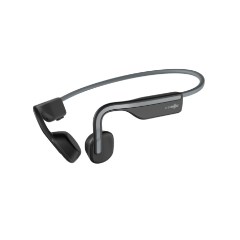
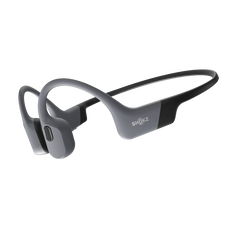
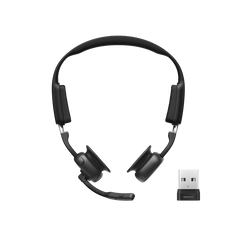
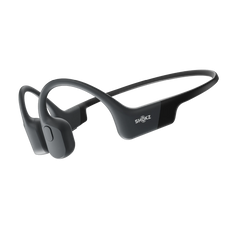
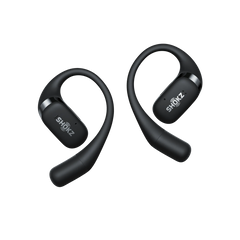
Running or cycling on roads carries risk if you isolate your senses with sealed earbuds. Open-ear headphones keep you aware of traffic, people, and surroundings while you move — which is a part of health, not just convenience.
For safe listening insights:
Explore Open-Ear Headphones
4. More on Personal Development and Everyday Health Habits
Stress Management and Mental Fitness Matter as Much as Cardio
A stressed, anxious, sleep-deprived person with a weekly workout plan is not “healthy.” Balanced health includes:
- Journaling or therapy
- Breathing practices
- Screen-time boundaries
- Quiet time without stimulation
Healthy Sensory Inputs: Safe Listening as a Lifestyle Choice
Hearing fatigue and ear canal irritation from sealed earbuds are rising modern problems. Safe listening reduces:
- Canal blockage and inflammation
- Fatigue from noise isolation
- Anxiety from sensory cutoff
Why Open-Ear Headphones Align with a Healthy Lifestyle
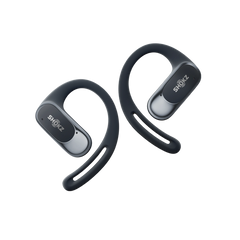
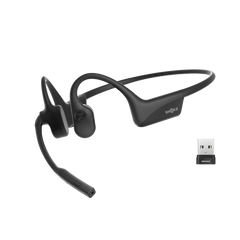
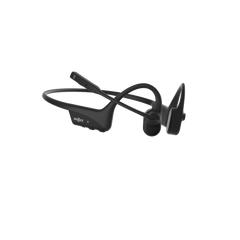
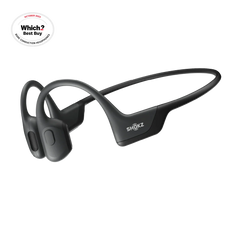
Open-ear headphones like OpenDots ONE support a healthier daily routine because they:
-
Preserve awareness of your environment
-
Protect ear canals — nothing inserted
-
Reduce sensory isolation that spikes stress
- Support a calmer, safer, more connected way to listen
Learn more:
OpenDots ONE
5. Healthy Lifestyle Tips You Can Start Today
Swap Closed Buds for Open-Ear Headphones in Daily Use
This tiny change protects ears and lowers daily sensory stress.
Browse technology fit for wellness:
Open-Ear Audio Technology
Combine Movement with Mindful Audio Instead of Loud Isolation
Walk + podcasts at moderate volume > running with blasting sealed earbuds.
This supports the nervous system while still keeping you entertained or educated.
Build Micro-Habits Instead of Overhauls
You don’t need a new life to live healthier:
- 10 extra minutes walking
- 1 intentional meal swap per day
- Set a 5-minute pre-sleep wind-down routine
- Use open-ear earbuds to reduce listening fatigue
Small, repeatable beats extreme and brief.
For more self-care approaches:
Open-Ear for Self-Care

FAQs: Healthy Lifestyle & Open-Ear Headphones
Q — Are open ear headphones better for ear health than traditional earbuds?
A — Yes.They reduce canal pressure, allow airflow, and minimize irritation.
Q — Can open earbuds improve safety during outdoor workouts?
A — Absolutely.They let you hear traffic, cyclists, and people around you.
Q — Do healthy lifestyle tips need to be complex to be effective?
A — No.Small, sustainable changes outperform intense but temporary routines.
Q — Can sound or audio habits impact wellness?
A — Yes.Audio volume, isolation, and listening style influence stress, focus, and comfort.


