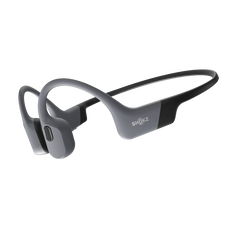


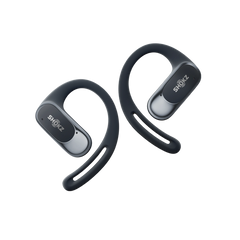

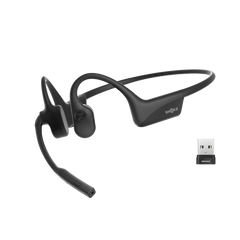
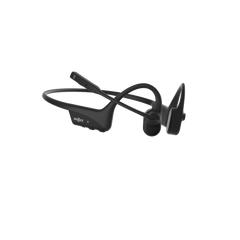

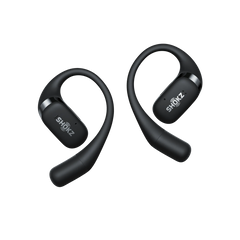


If you’ve spectated or participated in major endurance events like the London Marathon, Great North Run, or local road races, you’ve likely noticed a distinct trend: a vast majority of marathoners are wearing sleek, wraparound open-ear devices rather than traditional in-ear plugs.
Why have bone conduction headphones for running become the gold standard among marathoners and trail runners alike?
It isn't just a design trend. Long-distance running demands a precise balance between audio motivation, situational awareness, and physical comfort. Below, we dive into the science behind bone conduction technology and why Shokz marathon headphones are trusted by elite athletes and weekend warriors around the globe.
-
The Science Behind Bone Conduction Headphones for Running
-
Key Advantages: Why Long-Distance Runners Make the Switch
-
Spotlight: Top Shokz Marathon Headphones for Every Runner
-
Conclusion: Level Up Your Long Runs
-
Frequently Asked Questions (FAQs)
The Science Behind Bone Conduction Headphones for Running
To understand why runners choose this technology, it helps to look at the acoustics.
Traditional headphones rely on air conduction, sending sound through the ear canal to the eardrum before it reaches the inner ear. During long training sessions and race-day efforts, some runners find that in-ear designs can feel uncomfortable or trap heat and moisture. Open-ear headphones offer an alternative that keeps the ear canal unobstructed while allowing runners to stay aware of their surroundings.
🎧 Traditional In-Ear
Air Wave → Ear Canal → Eardrum → Cochlea
🦴 Bone Conduction
Micro-vibrations → Cheekbones → Direct to Cochlea

Shokz bone conduction headphones work through a completely different biological pathway:
-
Micro-transducers generate subtle mechanical vibrations.
-
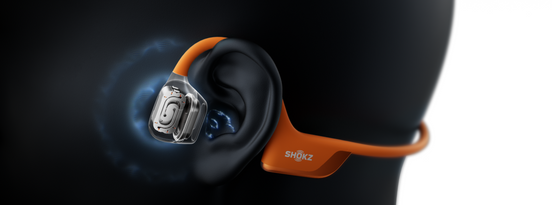
These vibrations pass directly through your cheekbones (zygomatic arch).
-
The sound reaches your inner ear (cochlea) directly, completely bypassing the eardrum and leaving your ear canal 100% open.
This biomechanical solution allows your brain to process two distinct audio streams at once: the rich music/podcast audio coming through your bones, and ambient environmental sounds coming through your open ear canals.
Key Advantages: Why Long-Distance Runners Make the Switch

When tackling 26.2 miles, every minor detail—from shoe weight to headphone pressure—is amplified. Here is why marathoners consider open-ear bone conduction indispensable:
1. Environmental Awareness & Personal Safety
Running on open roads, urban streets, or crowded race tracks requires total sensory awareness. Traditional noise-blocking or active noise-canceling (ANC) earbuds shut out vital acoustic cues—such as approaching traffic, emergency vehicle sirens, cyclist warnings, or instructions from race marshals. Bone conduction ensures you never miss a safety cue while keeping your stride in sync with your playlist.
2. Zero In-Ear Pressure & Fatigue-Free Comfort
Inserting silicon tips inside your ear canals during a sweaty hours-long run creates a warm, humid environment prone to friction and bacterial irritation. Bone conduction headphones rest gently outside the ear canal on your cheekbones, delivering a weightless, pressure-free fit that eliminates soreness—no matter how many miles you cover.
3. Sweat-Proof IP Protection & Weather Resistance
Heavy perspiration and unpredictable British downpours can quickly ruin ordinary electronic earbuds. Shokz bone conduction headphones feature high Ingress Protection (IP) ratings (from IP55 up to IP67 dust/waterproof seals), allowing them to withstand relentless sweat, torrential rain, and post-race rinse-offs with ease.
4. Marathon-Grade Battery Endurance & Quick Charging
The last thing you need at Mile 20 is your audio gear dying. Leading Shokz models offer between 8 to 12 hours of continuous playback. Plus, advanced quick-charging capabilities mean a 5-to-10 minute charge before you leave the house provides hours of music—more than enough time to get you across the finish line.
Spotlight: Top Shokz Marathon Headphones for Every Runner
As pioneers of bone conduction technology, Shokz offers industry-leading models engineered specifically to match your training intensity and budget.
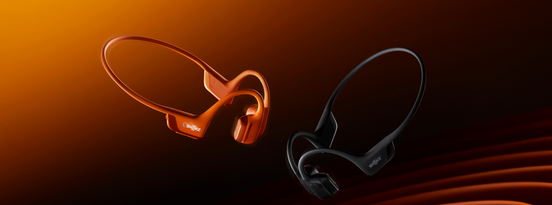
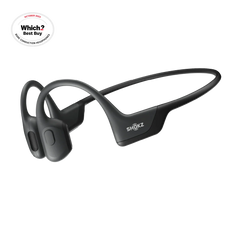
Shokz OpenRun Pro 2:Flagship DualPitch™ Innovation


For serious athletes seeking the best headphones for marathon runners, the flagship OpenRun Pro 2 redefines open-ear acoustics.
-
DualPitch™ Technology: Features a dual-driver system that assigns mid-and-high frequencies to a ultra-precise bone conduction unit, while a dedicated air conduction driver delivers deep, resonant bass with virtually zero acoustic leakage.
-
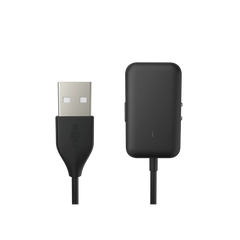
12-Hour Battery + USB-C: Power through long marathon training weeks with 12 hours of playback and a rapid 5-minute quick-charge (yielding 2.5 hours of battery).
-
Ergonomic Titanium Frame: Ni-Ti memory alloy ensures an unshakeable, bounce-free fit even during high-tempo hill sprints.
Shokz OpenRun: Lightweight & IP67 Rated


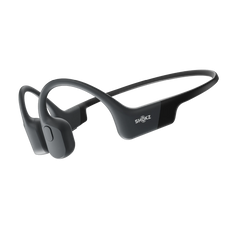
The classic standard for daily long runs. Weighing just 26 grams, Shokz OpenRun utilizes 8th Generation Bone Conduction Technology (PremiumPitch 2.0+™) for vibrant stereo audio. Its standout feature is an impressive IP67 waterproof rating, making it completely immune to extreme sweat and heavy downpours.
Shokz OpenMove: Accessible Entry-Level Performance

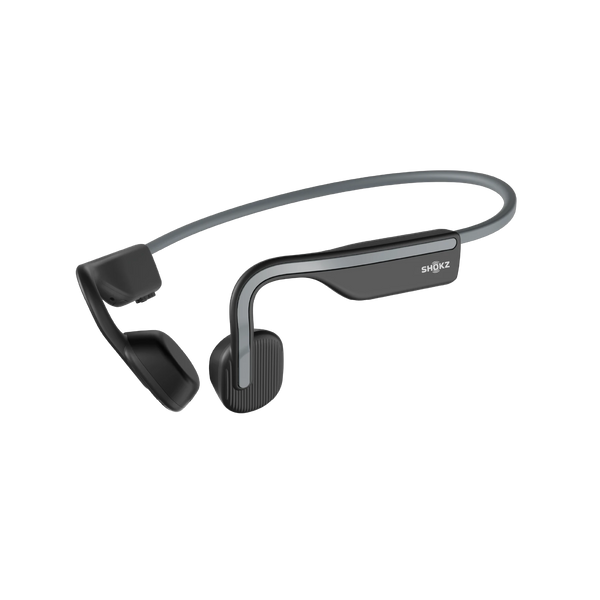
Ideal for beginners taking on their first 5K, 10K, or half-marathon training schedule. Shokz OpenMove delivers signature open-ear safety, 7th Generation bone conduction tech, 6 hours of battery life, and lightweight comfort at an accessible price point.
Conclusion: Level Up Your Long Runs
Switching to bone conduction isn't just about trying a new gadget—it's about upgrading your overall safety, race compliance, and long-distance comfort. By keeping your ears open to the world around you, you can run safer, stay comfortable over extended mileage, and soak in the full electrical atmosphere of race day.
Ready to find your ideal race-day audio partner? Explore the complete collection of Shokz bone conduction headphones today and conquer your next marathon with confidence.
Frequently Asked Questions (FAQs)
1. Are bone conduction headphones better for running than noise-canceling earbuds?
Yes, for outdoor running, bone conduction headphones are significantly safer and more comfortable. Unlike noise-canceling earbuds that isolate you from your surroundings, bone conduction leaves your ear canal open, allowing you to hear ambient noise (traffic, cyclists, race marshals) while preventing ear canal sweat build-up over long distances.
2.Can you hear music clearly with bone conduction headphones during a noisy marathon?
Yes! Models like the Shokz OpenRun Pro 2 feature advanced acoustic technologies like DualPitch™, which provides crisp high notes and deep bass. You get rich, clear audio motivation while still taking in the cheering crowd energy around you.
3. Do Shokz marathon headphones leak sound to people running next to you?
Shokz utilizes proprietary leakage-reduction technologies (such as DirectPitch™ and sealed transducer housings) that minimize sound leakage. At normal listening volumes, runners beside you in a race or on a trail will not hear your audio.
4. Can I wear bone conduction headphones with running sunglasses or caps?
Absolutely. Shokz headphones feature a lightweight titanium wraparound headband that sits flat over the ears, making them completely compatible with running glasses, caps, headbands, and bike helmets without creating pressure points.