





Walk into any bike shop, and the accessories wall is somehow bigger than the bikes. You see lights, locks, lube, luggage, and it all looks essential, and a new rider could easily spend more on extras than on the bicycle itself.
You do not need most of it. What you need depends almost entirely on the riding you actually do, because a daily commuter, a weekend pootler, and a fitness rider have different gear needs.
This guide tells you how to match accessories to your riding style, the city cycling essentials worth buying first, and how to enjoy music on the bike without losing touch with the road.
How to Choose Cycling Accessories Based on Your Riding Style
Before buying anything, be honest about the journeys you make. Accessories earn their place by solving a problem you actually have, and the problems change with the riding:
- Daily commuters need security and weatherproofing above all. Get a strong lock, reliable lights, mudguards, and a way to carry work things without a sweaty backpack.
- Leisure and weekend riders can travel lighter. A bottle cage, a small saddle bag with a puncture kit, and a phone mount cover most needs.
- Fitness riders care about data and comfort. A bike computer or tracking app, padded shorts for longer rides, and audio that will not block out traffic.
- All-weather riders learn that the British forecast is only a suggestion. Gears like overshoes, proper gloves, and a peaked cap under the helmet can make riding in winter easier.
A sensible rule of thumb is to spend first on whatever keeps you and the bike safe, which for most city riders means the lock and the lights, then add comfort from there.

Essential City Cycling Accessories Every Rider Needs
Here’s a list of city cycling essentials that serve almost everyone:
- Lights: A white front light and a red rear light are a legal requirement after dark in the UK, along with reflectors. USB-rechargeable sets are cheap and bright. Keep them on the bike year-round, because winter afternoons end early.
- A quality lock: In most cities, a hardened D-lock is the difference between having a bike and having had one. Look for Sold Secure ratings, and lock through the frame to something immovable.
- Mudguards: The least glamorous accessory and possibly the most life-improving. UK roads are wet more often than they are dry, and nobody wants a stripe of road spray up their back.
- A puncture kit and mini pump: Having tyre levers, a spare tube, and a small pump you can keep on the frame saves you during a flat.
- A bell: On shared paths and towpaths, a polite ring from a few metres back is typically better than a surprise overtake.
- A phone mount or bike computer: Stopping to check your pocket every few streets becomes tiring. A mount plus a route app is plenty for commuting, and data-minded riders can graduate to a dedicated computer later.
- A water bottle and cage: You may not need one during short hops, but you do for summer commutes and longer weekend loops. A bottle on the frame is one less thing to remember to pack.
- Carrying capacity: A rack with panniers, or a decent backpack, keeps laptops and shopping off your shoulders. Commuters come to appreciate this by about day three.
- A helmet: Not legally required in the UK, but recommended, and modern designs are light enough that there is little reason to go without.

How to Stay Aware While Listening to Music During Cycling
Some people are against music on a ride, and the concern is fair. A cyclist who cannot hear the traffic is a cyclist with a problem. The risk, though, comes from sealed earbuds rather than from audio itself. Handled properly, a soundtrack can make regular riding much easier to stick at, particularly on routes you already know well.
Standard in-ear and noise-cancelling designs isolate you from exactly the sounds that keep you safe, like an engine approaching from behind, a horn, a bell, another rider calling a warning.
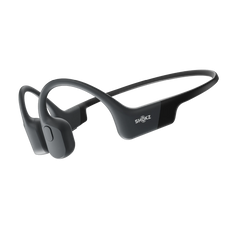
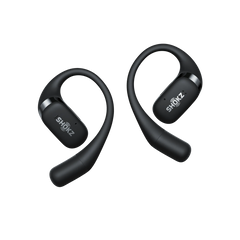
Open-ear headphones don’t do that. Nothing enters or covers your ear, so your natural hearing stays intact, and the music sits alongside the street rather than replacing it.
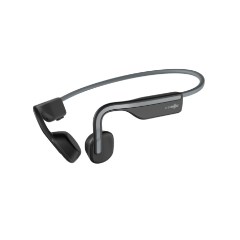
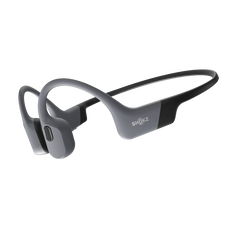
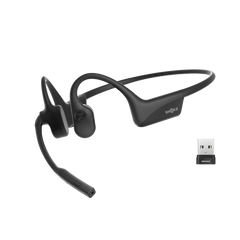
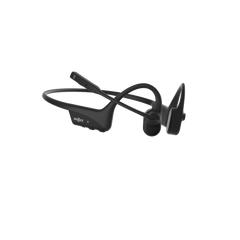
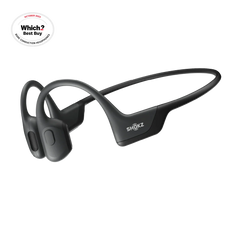
This is the problem the Shokz OpenRun Pro 2 was built to solve. Part of the Shokz sports range, it uses bone conduction technology to send sound through your cheekbones, leaving your ears completely open to the road. DualPitch™ technology pairs the bone conduction unit with a small air conduction speaker, so the bass no longer disappoints the way it did on early bone conduction models.
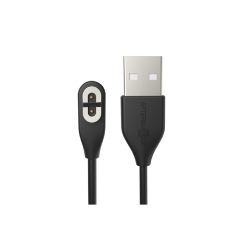
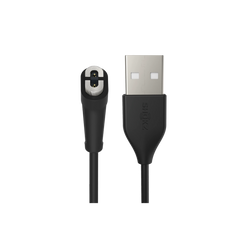
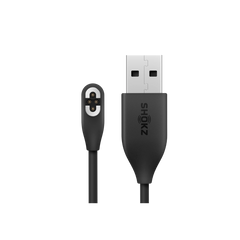
The practical details suit riders too. The 30.3g wraparound frame sits comfortably alongside a helmet with no wires to snag, the IP55 rating handles sweat and rain, and 12 hours of battery covers a fortnight of commutes. And if you forgot to charge it, plugging it in for five minutes gives around 2.5 hours of battery life.
Key features:
- Bone conduction design keeps ears fully open to traffic
- DualPitch dual drivers for richer, fuller sound
- Secure 30.3g wraparound frame that fits alongside a helmet
- Up to 12 hours of playback per charge
- 5-minute quick charge adds around 2.5 hours
- IP55 sweat and water resistance
- Dual noise-cancelling mics for calls at the lights
- Bluetooth 5.3 with multipoint pairing


A few habits make riding with audio safer still:
- Keep the volume conversational: If you cannot hear your own tyres or a nearby engine, turn it down. Open-ear designs work because the street stays audible.
- Save the playlist for roads you know: Unfamiliar junctions deserve your full attention. Learn the route first, add the music later.
- Choose podcasts in heavy traffic: Spoken audio pulls your attention less than favourite songs, which makes it the better companion for the busiest stretches.
- Pause at the tricky moments: A single tap silences everything for the junction you hate. The episode will wait.
Common Questions About City Cycling Accessories
What accessories do I actually need for city cycling?
Start with lights, a strong lock, and a puncture kit. Those three cover the legal, security, and get-you-home basics. Mudguards and a way to carry your things come next for anyone riding regularly, and the rest depends on your riding style.
Are bike lights a legal requirement in the UK?
Yes, after dark. UK law requires a white front light, a red rear light, and reflectors when riding between sunset and sunrise, and both steady and flashing lights are permitted. It is worth carrying lights from autumn onwards even for afternoon rides, since dusk tends to arrive before you are home.
Is it safe to listen to music while cycling?
It can be, with the right equipment and habits. Open-ear designs such as the OpenRun Pro 2 leave your hearing free for traffic, which is why they are the standard recommendation for riders. Keep the volume moderate and pause the audio at complex junctions, and music and safety can coexist.
What accessories help most in wet weather?
Mudguards help the most, keeping spray off you and the bike. Add a packable waterproof jacket, grippy gloves, and overshoes in winter, and check your brakes and tyres more often. And for your electronics, an IP-rated light set and water-resistant headphones survive British conditions without complaint.