





- What Are In-Ear Earbuds?
- What Are Ear Hook Headphones?
- Ear Hook vs In-Ear: Key Differences That Affect Your Daily Life
- Which Style Should You Choose? Decision Guide by Activity
- Discover Shokz OpenFit: The Ultimate Open-Ear Hook Experience
- Ear Hook vs In-Ear Earbuds – Choose Based on Your Lifestyle
- Common Questions About Ear Hook and In-Ear Earbuds
Earbuds have come a long way from the one-size-fits-all silicone tips of a decade ago. These days, you've got two very different shapes competing for a spot in your ears: the classic in-ear design that plugs into your ear canal, and ear hook earbuds that wrap around your ear instead of pushing into it.
If you've been comparing ear hook vs in-ear earbuds and aren't sure which one will actually suit your day, we'll explain exactly how they differ and help you figure out which style makes more sense for the way you move, work, and live.
What Are In-Ear Earbuds?
In-ear earbuds are the design most of us grew up with. They sit directly inside your ear canal, usually held in place with a silicone or foam tip that creates a seal. That seal is what gives in-ear earbuds their signature sound: strong bass, decent passive noise isolation, and audio that feels close and immersive.
The trade-off is that seal. Because the tip blocks your ear canal, in-ear earbuds also block out a fair amount of the outside world. This includes things you might actually want to hear, like traffic, announcements, or someone talking to you. Fit can also be hit or miss. Ear canals vary a lot from person to person, so what feels secure for one person can feel loose, achy, or downright uncomfortable for another after an hour or two.
What Are Ear Hook Headphones?
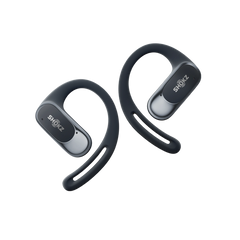
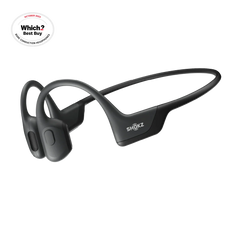
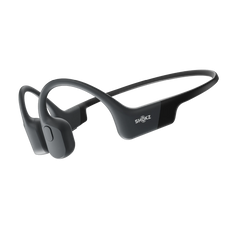
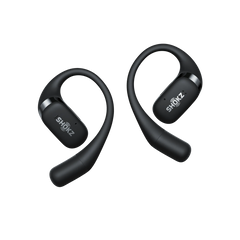
Ear hook earbuds take a different approach entirely. Instead of sitting inside your ear canal, they rest on or around the outer ear, often secured with a soft, flexible hook that curves gently behind or around the ear itself. Nothing is pushed into the canal, so your ear stays completely open.
This open-ear design means two big things. First, comfort tends to be excellent, since there's no pressure building up inside your ear canal over a long day of wear. Second, you stay aware of your surroundings the entire time, since sound from the outside world isn't being physically blocked. Modern ear hook earbuds, like Shokz's OpenFit range, pair this open design with proper drivers and Dolby Audio support, so you're not compromising much on sound quality either.

Ear Hook vs In-Ear: Key Differences That Affect Your Daily Life
A few of the differences between ear hook vs in-ear headphones are worth calling out on their own. Ear hook earbuds tend to win out when:
- You're moving around a lot, whether that's running, cycling, or a busy commute,
- You wear earbuds for long stretches and want to avoid that end-of-day earache,
- You need to stay aware of traffic, announcements, or people around you,
- You take many calls and want your voice to sound natural rather than muffled,
- You'd rather avoid the itchy, sweaty feeling that silicone tips can cause during exercise.
If most of that sounds familiar, an ear hook design is probably going to suit your daily routine better than a traditional in-ear pair.
Here's how the two styles compare on the things that matter most day to day.
| Feature | Ear Hook Earbuds | In-Ear Earbuds |
|---|---|---|
| Fit and stability | Wraps around the ear, stays secure during movement | Relies on tip size and ear canal shape |
| Comfort over long periods | No canal pressure, easy for all-day wear | Can feel achy or itchy after extended use |
| Situational awareness | High, ear canal stays open | Low, canal is sealed |
| Passive noise isolation | Minimal by design | Strong, blocks outside noise |
| Bass and sound seal | Good and improving with dual drivers | Naturally deeper due to sealed fit |
| Hygiene | Less wax buildup, easier to keep clean | Tips need regular cleaning |
| Best for | Workouts, calls, all-day wear, outdoor activity | Focused listening, travel, blocking out noise |
Which Style Should You Choose? Decision Guide by Activity
If you're still unsure which headphone style suits your needs, it's a good idea to consider your lifestyle. Here's the quick verdict for six common everyday activities:
- Running and outdoor training: ear hook wins. Won't work loose mid-sprint, and open ears mean you can hear traffic, other runners, or a coach shouting instructions.
- Commuting: ear hook wins. Stay tuned into announcements and your surroundings without constantly pausing your audio.
- Office and hybrid work: ear hook wins. Wear them for hours of back-to-back calls without in-ear fatigue, while still hearing colleagues around you.

- Gym sessions and weight training: ear hook edges it. Either style can work, but the hook stays put through burpees, deadlifts, and everything in between, without constant readjusting.
- Flights, focused work, or blocking out noise: in-ear wins. A sealed fit, ideally with active noise cancellation, shuts out a noisy cabin or open-plan office more effectively than an open-ear design.
- Studying or deep focus sessions: in-ear wins. Natural passive isolation helps you disappear into a podcast or playlist without outside interruption. However, discomfort is still an issue.
Discover Shokz OpenFit: The Ultimate Open-Ear Hook Experience
If you've decided ear hook earbuds are the better fit for you, Shokz's OpenFit range is built specifically around getting this design right.
OpenFit Pro
OpenFit Pro is our flagship open-ear true wireless earbud, designed for anyone who wants premium sound without giving up awareness. It uses Shokz SuperBoost™ alongside Dolby Atmos and head tracking for cinematic, detailed audio, paired with a refined aluminium unibody and a custom noise filter ring mic for crystal-clear, AI-enhanced calls. With up to 50 hours of total playback and a secure, comfortable fit, it's built for long days, whether that's back-to-back meetings or an all-day playlist.


OpenFit 2+
OpenFit 2+ takes the same open-ear hook philosophy and adds Shokz DualBoost™ with Dolby Audio for powerful bass and clear vocals, along with redesigned ear hooks for an even snugger, more comfortable fit. With physical buttons for precise control, four AI-powered noise-cancelling mics, and up to 48 hours of playback with the charging case, it's a strong everyday choice for commuting, workouts, and work calls alike.


Both models keep your ears open to the world while still delivering the kind of sound quality that used to be reserved for sealed, in-ear designs.
Ear Hook vs In-Ear Earbuds – Choose Based on Your Lifestyle
There's no universally "better" earbud shape, only the one that matches how you actually spend your day. If blocking out noise on a flight or during focused study is your priority, in-ear earbuds still do that best, although discomfort during long wear is still important to mention. But if you're active, on calls often, or simply want earbuds you can wear all day without discomfort, ear hook earbuds are well worth trying. Explore the full open-ear range to find your fit.
Common Questions About Ear Hook and In-Ear Earbuds
Are ear hook earbuds better than in-ear earbuds for running?
For most runners, yes. Ear hook earbuds stay secure during movement, don't push into the ear canal, and let you hear traffic and your surroundings, which makes them a safer and more comfortable choice for outdoor training.
Do ear hook earbuds sound as good as in-ear earbuds?
Sound quality has closed the gap significantly. While sealed in-ear designs naturally produce deeper bass thanks to the seal, modern ear hook earbuds with dual drivers and Dolby Audio, like OpenFit Pro and OpenFit 2+, deliver rich, detailed sound for everyday listening, calls, and workouts.
Can I wear ear hook earbuds all day without discomfort?
Yes, that's one of their main advantages. Without a tip sealed inside your ear canal, ear hook earbuds tend to feel lighter and more comfortable over long stretches, making them a popular choice for hybrid workers and anyone who listens to audio for most of the day.
Are ear hook earbuds good for the gym?
Generally, yes. The hook design keeps them secure during high-movement exercise like running, cycling, or weight training, without the tips working loose or needing constant readjustment.