

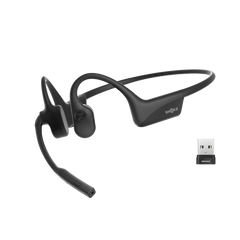
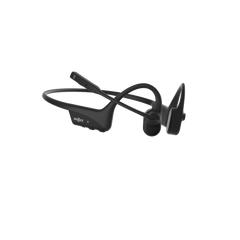

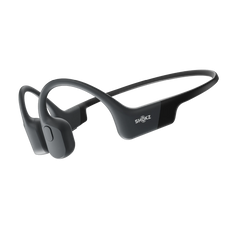

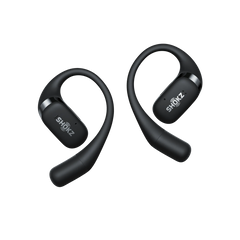


Ear hooks are one of those design features you barely notice until you need them. If you've ever had earbuds loosen during a run, slip out on a busy commute, or start to ache after an hour at your desk, you've already encountered the problems ear hooks aim to solve. They can make a major difference to comfort, fit consistency, and confidence when you're moving.
This guide explains what ear hooks are, the different types you'll see on the market, and how to choose earbuds with ear hooks that match your day-to-day use. Along the way, we'll also cover why ear-hook design is especially relevant to open-ear listening, where stability and long-term wearability are central to the experience.
What Are Ear Hooks?
Ear hooks are curved structures, either integrated into the earbud body or added as an accessory, that use the shape of your outer ear to support the earbud. Instead of relying solely on pressure inside the ear canal (like many in-ear models), ear hooks distribute the holding force across the ear's contours. That can reduce the "plugged-in" feeling and help prevent earbuds from shifting when you talk, chew, sweat, or move quickly, especially if we are talking about open-ear models like Shokz OpenFit 2+ which keep you vigilant to your surroundings.
Ear hooks show up in different formats, from full over-ear loops to sculpted "curve" hooks, and the best designs focus on secure hold without pressure hotspots. Some are adjustable, some are fixed, and others are swappable, depending on the design philosophy and target use case. Many fit issues people blame on ear shape are actually stability issues, which ear hooks are designed to solve.
In the UK, earbuds with ear hooks are especially popular among runners and gym-goers, but they're also practical for commuting and all-day wear when you want a stable fit without constantly readjusting.

Why Ear Hooks Matter More Than You Think
A secure fit isn't only about stopping earbuds from falling out. When earbuds sit consistently, you usually get more consistent sound delivery, fewer micro-adjustments, and a calmer overall wearing experience, especially if you move a lot during the day.
For open-ear earbuds, stability is even more critical because the ear canal stays open, and the earbud needs to stay in the intended position to deliver sound properly while still letting surrounding audio through. That situational awareness benefit is a core reason people choose open-ear designs.
Why Ear Hooks Pair So Well With Open-Ear Listening
Open-ear earbuds are designed to keep your ear canal uncovered so you can stay connected to your surroundings. That benefit is only useful if the earbuds stay stable without needing constant adjustment. A well-designed ear hook supports the open-ear positioning over time, helping the earbuds remain comfortable and secure during both movement and long wear. In other words, ear hooks are not just a sports feature in open-ear products but a part of how the listening concept works.
The Main Types of Ear Hooks You'll See on Earbuds
Over-Ear Loops
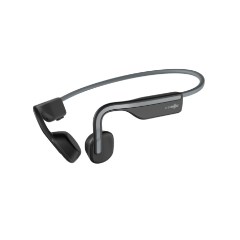
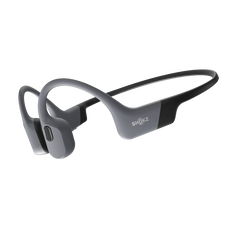
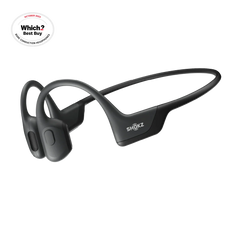
Over-ear loops wrap around the top and back of the ear and are often associated with sport-first earbuds. The advantage is straightforward: they are highly resistant to bouncing and shifting during high-impact movement. The trade-off is that some users feel more "hardware presence" around the ear, particularly if they wear glasses, helmets, or thick hairstyles that compete for space behind the ear. Still, if you train hard and value maximum security above everything else, this format can be a strong choice.
C-Shaped or "Golden Curve" Hooks
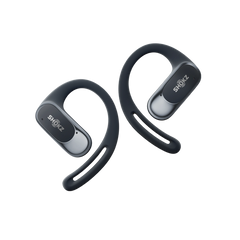
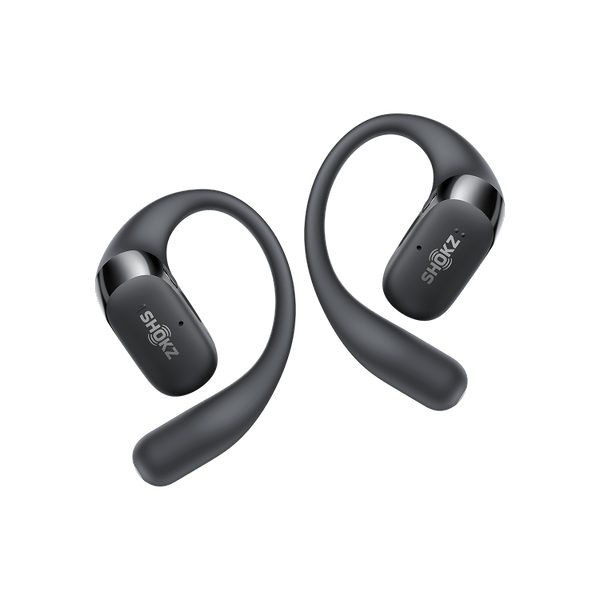
A sculpted curve hook is shaped to follow the ear more naturally without creating a full loop around it. This style is common in premium open-ear earbuds because it balances stability and comfort for mixed-use days with work, commuting, and exercise. For example, Shokz OpenFit 2+ Series open-ear earbuds are designed for comfort, situational awareness, and secure fit, with design elements focused on staying in place during everyday movement.


Wing Tips and Stabilisers
Wing tips are not always marketed as ear hooks, but they serve a similar purpose of adding external stabilisation, so earbuds don't rely solely on canal pressure. They usually brace against inner ear contours and can be effective, but they often require trying different sizes to avoid discomfort. If you dislike in-ear pressure but still want added stability, wing-tip designs can be a middle ground, though the experience varies more widely from person to person than with well-shaped outer-ear hooks.
Clip-on Open-Ear Designs
Clip-on open-ear designs attach to the outer ear rather than sitting inside it. They can feel lightweight and convenient, and the best versions are engineered for comfort over long wear. That said, clip pressure is a real variable: too loose, and you lose stability; too tight, and your ear can fatigue. If you want a clip-on approach, pay close attention to how the product describes fit mechanics and whether it is designed for long sessions, not just quick listening.
Ear Hooks vs In-Ear Fit: What's the Real Difference?
Traditional in-ear earbuds stay secure by creating friction and (often) a partial seal in the ear canal. That can be effective, but it can also feel intrusive over longer wear, especially for people sensitive to canal pressure.
Ear hooks shift the stabilisation job outward: the outer ear supports the earbud so you can often avoid relying on a tight in-ear seal. In practice, that means ear hooks can be a better fit solution for people who prioritise comfort, stability while moving, and easy on/off use throughout the day.
That difference matters if you wear earbuds for long stretches, which is important for commuters, hybrid workers, students, and anyone who takes frequent calls. It also matters if you prioritise situational awareness outdoors.
Here's a table comparing the most important features so you can quickly figure out which one would work best for you.
|
Feature |
Ear hooks (earbuds with ear hooks) |
In-ear fit earbuds |
|
How they stay secure |
Supported by the outer ear (hook/curve rests on ear contours) |
Held by friction + ear tip seal in the ear canal |
|
Feel over long wear |
Often less intrusive, pressure spread across the ear |
Can feel more "plugged-in", especially over time |
|
Best for sensitive ears |
Generally better if you dislike canal pressure |
May irritate if you're sensitive to in-ear pressure |
|
Stability while moving |
Typically very stable, great for running/gym/commuting |
Stable if the seal is right, but can loosen with sweat/movement |
|
Situational awareness outdoors |
Usually higher, especially with open-ear designs |
Usually lower, since the canal is partially sealed |
Choosing Earbuds with Ear Hooks: A Practical Checklist
Before you compare specs, it helps to get clear on why you want ear hooks in the first place. The best earbuds with ear hooks aren't always the most rugged-looking, but the ones that stay stable in your real routine (running, commuting, desk work, calls) without creating pressure points or getting in the way of glasses, helmets, or hats.
A good checklist also stops you from over-indexing on a single feature like battery life or waterproofing, when the everyday experience is usually defined by fit security, comfort over time, and how easy the controls are to use while moving.
Match Stability to Your Activity Level
When doing your research, start with your most common high movement scenario. If you run, do interval training, or train outdoors, prioritise ear hooks that resist wobble and shifting. If you mainly commute and work, focus on stable comfort and easy wear with glasses or a beanie. The point of earbuds with ear hooks is that they should feel secure without needing frequent readjustment. If you still have to touch them every few minutes, the hook geometry or sizing is likely not right for you.
Consider Controls You Can Use While Moving
Control design often matters as much as fit. Touch controls can be convenient, but they're easy to trigger accidentally when you adjust an earbud. Physical buttons are often better for sport and cold-weather use because they're precise and predictable. This is particularly relevant if you'll be using earbuds with ear hooks while running, when you want quick control without breaking stride.
Battery Life and Charging Convenience
Battery life is easy to overlook until you're commuting home on 5%. Consider both single-charge playback and total case life. If you use earbuds daily, wireless charging can make the routine simpler, especially if you already have a charging pad on your desk or bedside table. Shokz OpenFit 2+ Series features up to 48 hours of playtime with the charging case or 11 hours on a single charge, and comes with wireless charging support on the 2+ model.
Consider Call Quality for Hybrid Work
Call clarity matters in busy environments like streets, stations, cafés, and open-plan offices. If your earbuds pull double duty for work calls, look at the microphone design and noise reduction. Product pages often signal call performance through mic count and processing features. Multi-mic arrays and AI noise filtering can improve clarity in windy streets, train stations, and busy cafés.
Sweat and Water Resistance
Ear hooks are popular for sport, so water resistance is a practical requirement rather than a nice-to-have. An ingress protection IP55 rating means the earbuds can handle sweat, light rain, and splashes, meaning you won't have to worry about your earbuds during more intense training sessions or heavier weather.
What Premium Ear-Hook Earbuds Tend to Get Right
Premium open-ear earbuds typically combine fit engineering with sound engineering, rather than treating comfort as an afterthought. Here are some of the main features to look for when getting earbuds with ear hooks:
- Dual-driver style audio architecture for fuller sound
- Open-ear design to keep you aware of your surroundings
- Refined hook geometry that supports stability without pressure
- Long battery life plus wireless charging for daily routines
- Physical controls for reliable operation during movement
- Multi-mic call performance for clarity on the go
- Water and sweat resistance for training and commuting
Ensure Maximum Comfort and Top Performance with Premium Earbuds with Ear Hooks
Whether you're running, commuting, or taking calls between meetings, ear hooks are a fit solution that can make earbuds feel more secure, more comfortable, and more consistent day after day. If you've been specifically searching for earbuds with ear hooks, the key is choosing a design that stays stable without creating pressure points, and that still feels effortless for long-term wear.
The OpenFit 2+ earbuds by Shokz stand out due to their open-ear design, with ear hooks built to sit securely, so the buds don't easily wobble, shift, or drop when you move. Add up to 48 hours of total playback with the charging case, IP55 water resistance for sweat and splashes, and DualBoost™ and Dolby Audio, and the OpenFit 2+ becomes a strong all-around option if you want open-ear comfort without compromising on sound or usability.

Frequently Asked Questions
1. Are ear hooks only for sports earbuds?
No. While ear hooks are common on sports models, many people choose earbuds with ear hooks for commuting, working, and long wear because they improve stability and reduce the need for constant adjustment, especially if in-ear tips feel uncomfortable over time.
2. Do ear hooks make earbuds more comfortable?
Often, yes, as they can reduce pressure inside the ear canal and distribute support across the outer ear. Comfort still depends on hook shape, materials, and your ear anatomy, so design quality matters.
3. Can I wear earbuds with ear hooks if I wear glasses?
Usually, yes, but the experience varies by hook style. Full over-ear loops can compete with glasses arms, while sculpted curve hooks may feel less crowded. If possible, prioritise a low-profile hook design and stable fit without tight pressure.
4. Are ear hooks better for open-ear earbuds?
They can be. Open-ear earbuds rely on stable positioning rather than a canal seal, so ear hooks help maintain a consistent fit, improve confidence during movement, and support long-term wearability, especially for running and commuting.