





The Great North Run is the world's biggest half marathon. 13.1 miles from the centre of Newcastle to the seafront at South Shields, run by a field of around 60,000. Since 1981 it has grown into the UK's best-loved race, with crowds lining almost the entire route and a finish beside the North Sea.
Great North Run 2026 will take place on Sunday 13 September, marking 45 years of the event. The Junior and Mini races run the day before, and demand for places was as fierce as ever, so if you have a number, you are one of the lucky ones.
As the official headphone partner of the 2026 AJ Bell Great North Run, we've put together this guide to help you prepare for race day.
This is your complete Great North Run guide. It covers the route, the start and finish, race day timings, transport, what to wear, what to bring, and the practical preparation that will make the day go smoothly.
Great North Run 2026 Overview
Here’s everything essential at a glance. A few details, such as exact start times, are confirmed in the final race instructions each year, so double-check those when they arrive.
| Event | AJ Bell Great North Run 2026 |
| Date | Sunday 13 September 2026 |
| Distance | 13.1 miles (21.1 km) |
| Start | A167 Central Motorway, Newcastle, near Claremont Road |
| Finish | The Leas, South Shields seafront |
| Field Size | Around 60,000 runners |
| First Held | 1981 (2026 marks 45 years) |
| Junior & Mini Run | Saturday 12 September 2026 |
| Typical Start Time | Elite races mid-morning; main waves from around 10:50 am |

Great North Run 2026 Route Guide
Great North Run Route Map
The Great North Run follows a point-to-point 13.1-mile route from Newcastle upon Tyne to South Shields. The course takes runners from the city centre, across the iconic Tyne Bridge, through Gateshead, and finally to the South Shields coastline for a memorable seaside finish.
If you'd like a detailed mile-by-mile breakdown of the course, key landmarks, elevation changes, and crowd hotspots, check out our complete guide: Great North Run Route & Race Day Experience
Key Route Highlights
- Tyne Bridge: One of the most iconic moments of the race, offering spectacular views and an unforgettable atmosphere early in the run.
- Gateshead Section: A longer, more open stretch where maintaining a steady pace becomes important before the final miles.
- South Shields Finish: After the final climb, runners are rewarded with views of the North Sea before finishing along the famous seafront.
The official route map is usually released by the organisers closer to race day. Reviewing it beforehand can help you familiarise yourself with water stations, elevation changes, and key spectator areas.

Is the Great North Run Route Difficult?
Most first-time marathoners find it a fair course. Here is what the profile looks like:
- Elevation Profile: The course includes around 130 metres of total climbing and gradually descends from Newcastle to sea level in South Shields.
- Main Climbs: Key uphill sections appear after the Tyne Bridge, around mile 9, and between miles 11–12 before the coast.
- Main Descents: Runners benefit from a fast opening mile, a gradual downhill stretch towards mile 8, and a sharp descent to the seafront after mile 12.
- First-Time Runner Tip: Include rolling routes in training, stay controlled on the early downhills, and save energy for the final climb.
Great North Run Start Line Guide
Where is the Great North Run Start Line?
The Great North Run start line sits on the A167 Central Motorway in Newcastle, close to Claremont Road and the Town Moor. Your race number tells you which colour-coded assembly zone to head for, and marshals guide each zone onto the road in turn.
What Time Should You Arrive?
Arrive at least 90 minutes before your wave is due to start. That gives you time for busy Metro trains, the bag drop, a warm-up, and the toilet queues, which are always quite long.
In recent years the elite and wheelchair races have set off mid-morning, with the main field starting from around 10:50 am and later waves crossing the line over the following hour. Exact 2026 timings will be confirmed in your race instructions, so those should be the final word.
Start Waves and Pens
Every runner is assigned a colour-coded wave based on the estimated finish time given at entry, and it is printed on your race number. Waves are released in sequence to spread 60,000 people safely along the course. You can usually drop back to a later wave on the day, but not move forward. Your chip time starts only when you cross the line, so starting further back costs you nothing except a short wait.
Bag Drop & Facilities
Baggage is handled by a fleet of buses parked near the assembly areas. In recent years, the green wave buses have lined Claremont Road, with the other waves' buses on the Town Moor. You fill in the baggage label attached to your race number at home, secure it to your bag, and hand the bag to the bus matching your number. The buses drive ahead to South Shields, and you collect your bag near the finish using your race number.
The start area also has toilets, water, and usually charity collection points for the old layers runners shed before setting off.

How to Get to the Great North Run
Planning your journey in advance can make race day much smoother. Whether you’re heading to the start line or travelling back after the finish, here are the key transport options to know.
Getting to the Start Line (Newcastle)
- 🚇 Metro (Recommended): The easiest way to reach the start area. Haymarket is the closest station, with Jesmond and West Jesmond also within walking distance. Allow extra time for busy race-day crowds.
- 🚆 Train: Arrive at Newcastle Central Station, then take the Metro to Haymarket or walk around 20 minutes to the start area.
- 🚗 Car: Expect major road closures around Newcastle. Many runners choose to park near the finish area in South Shields and take the Metro to the start.
Getting Back After the Finish (South Shields)
- 🚌 Shuttle Bus: Shuttle buses operate from the finish area back to central Newcastle, but queues can be long after the race. Plan extra time for your journey.
- 🚇 Metro: South Shields Metro station is around a 20-minute walk from The Leas, with additional services running on race day.
Race Day Travel Tips
- Set up your Metro tickets or contactless payment before race day to avoid delays.
- Arrive earlier than usual, as stations and transport links will be much busier.
- Agree on a meeting point with family or supporters in case mobile signals are busy.
What to Wear for Great North Run 2026
Running Shoes
Wear running shoes that have already been broken in over your longest training runs. Race day is not the day for a new pair, however tempting box-fresh trainers might be. If you want new shoes for the event, buy them three to four weeks out and log several long runs in them first. The same applies to socks: stick with the pair that has never given you a blister.
Running Clothing
September in the North East is typically around 11 and 17°C, which is decent running weather, but the weather can change. Go for moisture-wicking kit over cotton, and a light windproof layer because the final seafront mile is exposed.
Bring an old jumper or a bin liner to stay warm at the start, then leave it at the charity collection points before you set off. Bring a cap along in case it rains to keep the rain out of your eyes.
Should You Wear Headphones During Great North Run?
You can. The organisers permit music but ask that the volume stays low enough for you to hear what is happening around you and to follow marshals' instructions on the day.

That guidance exists for good reason. With 60,000 runners sharing the road, you need to hear marshals, medical teams, and the runner behind you calling that they are coming through. It is why open-ear headphones are a better fit for the road than sealed earbuds. They leave your ear canal completely open, so your music plays alongside the sound of the race instead of replacing it. Running at lower volumes with open ears also helps protect your hearing over a two-hour effort.
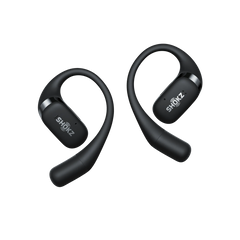
We're also the official headphone partner for this year's race — head to our Great North Run event page for exclusive prize draws, race-day gear, and stories from the Shokz running community.
Benefits of Open-Ear Headphones for Runners
- Stay aware of your surroundings: You can hear footsteps, shouted warnings and everything happening around you — something sealed earbuds often block out, both on race day and during training runs.
- Hear race announcements: Start-line instructions, wave calls and marshal directions stay clear, without needing to pause your music.
- Enjoy the crowd atmosphere: The roar on the Tyne Bridge and the energy along The Leas are some of the best parts of the day. Open-ear headphones let you stay connected to the atmosphere.
- Stay comfortable during long runs: Nothing sits inside your ear canal for hours, helping reduce pressure, soreness and the sweaty feeling that can come with traditional earbuds.
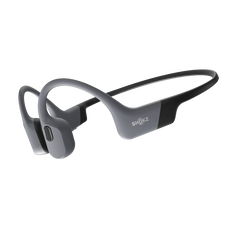
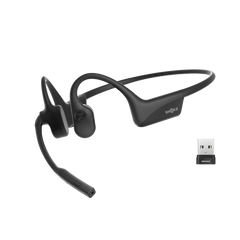
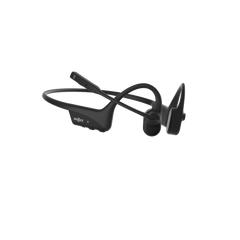
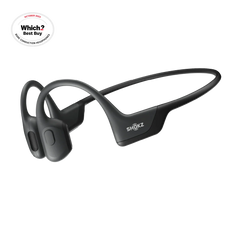
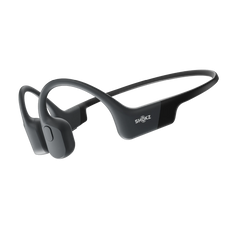
Shokz OpenRun Pro 2 is designed for runners who want great sound without losing awareness of their surroundings. Using open-ear bone conduction technology, it keeps your ears completely open so you can hear traffic, race announcements, and the energy around you while staying focused on your run.


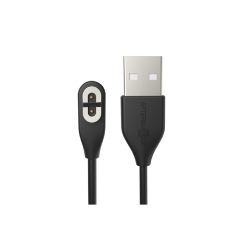
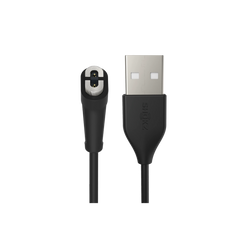
Its DualPitch™ dual-driver technology combines bone conduction with a dedicated air conduction speaker, delivering richer bass and a more powerful listening experience. The lightweight 30g wraparound design stays secure through every stride, while up to 12 hours of battery life covers long training sessions and race day. A quick five-minute charge also gives you around 2.5 hours of playback when you need a last-minute boost.
With an IP55 water-resistant rating to handle sweat and light rain, OpenRun Pro 2 is built for the demands of running — from everyday training miles to the excitement of race day.
Great North Run Tips for First-Time Runners
Before Race Day
- Prepare your race number: Check your race pack as soon as it arrives, complete any required details, and contact organisers early if anything is missing.
- Check the weather: Review the forecast during race week and decide your race-day kit in advance, not on the morning of the event.
- Plan your transport: Book travel early, check race-day Metro updates, and arrange a meeting point with supporters after the finish.
During the Race
- Start at your planned pace: The downhill opening miles and race-day atmosphere can make you go too fast. Stay controlled early and save energy for the final stages.
- Stay hydrated: Take small, regular sips at water stations and practise drinking while running during training.
- Keep an even effort: Be patient on climbs, controlled on descents, and focus on maintaining your rhythm through the tougher middle section of the course.
After the Finish
- Recover gradually: Keep moving after the finish line, collect your medal and belongings, and stretch gently while your muscles are warm.
- Refuel and rehydrate: Replace carbohydrates and electrolytes within the first hour, and continue drinking fluids throughout the day.
- Plan your journey home: Bring an extra layer, head to your meeting point, and allow extra time for Metro and shuttle bus queues.
Frequently Asked Questions
How long is the Great North Run?
The Great North Run distance is 13.1 miles, or 21.1 kilometres, the full half marathon. The route runs point to point from Newcastle city centre to the seafront at South Shields.
How difficult is the Great North Run route?
It is undulating rather than hilly, with around 130 metres of climbing in total. The main efforts are the rise through Gateshead in mile two and the climb between miles 11 and 12; after that it is downhill and flat to the line. Most first-timers find it a fair course when paced sensibly.
Can you wear headphones during the Great North Run?
Yes. The organisers allow music but ask that the volume stays low and that runners listen out for marshals and each other. Open-ear designs such as the Shokz OpenRun Pro 2 suit the event well because your ears stay open to announcements, crowds and everything around you. Shokz is the official headphone partner of the Great North Run — check out the event page for exclusive giveaways.
What time does the Great North Run start?
Based on recent editions, the elite races set off mid-morning, and the main waves start from around 10:50 amm, crossing the line over the following hour or so. Confirmed timings for 2026 will be in your final race instructions, so check those before planning your journey.
Where does the Great North Run finish?
The race finishes on The Leas, the grassy seafront stretch in South Shields near Gypsies Green. Runners drop down to the coast just after mile 12, then run a flat final mile along the seafront to the line.
Final Thoughts
Few big-city races look after a first-timer like the Great North Run. The course is honest, and the crowds pull you through the difficult miles. And since it’s been running for years, the organisers have race day down to a fine art. Your job is to sort transport early, race in kit you have already tested, and treat the first two miles with respect.
And if you run with music, keep your ears open while you do it. The Shokz OpenRun Pro 2 gives you your playlist without costing you the roar on the Tyne Bridge, the instructions at the start line, or the first sight of the North Sea at mile 12. Enjoy the day; there is nothing else quite like it.