



Prepping for the London Marathon 2026 is stressful enough without having to faff around with a rubbish kit. There’s nothing more annoying than being two hours into a rainy Sunday session and having your earbuds fall out because they can’t handle a bit of sweat. Even worse is that dreaded low-battery beep right when you’ve reached the 20-mile mark and desperately need a bit of Oasis or Stormzy to get you to the finish line.
This guide is a straightforward look at what actually works for marathon distance. We’re cutting through the marketing noise to show you which features are worth your time and which ones will just let you down on race day.
Part 1. What to Know Before Choosing Headphones for the 2026 London Marathon
Nailing your kit choice starts with understanding the race itself. A few cold hard facts about the day will shape your decision far more than any glossy product review ever could.
1. An Overview of the London Marathon and Key Race Info
Course Route:
The course hasn't really budged since 1981. You’ll be setting off from Greenwich Park and winding your way through 26.2 miles of London’s heart before crossing the line at The Mall.
Course Highlights:
It’s a proper sightseeing trip—you’ll rattle past the Cutty Sark, cross Tower Bridge (the atmosphere there is mental), and dodge the wind in Canary Wharf.
Estimated Timeline:
Most of the waves get going around 9:45 AM, but don't forget you'll be on your feet for ages. Most runners take about 4 to 6 hours to finish.
2. Are Headphones Allowed on the London Marathon Route?
The short answer is yes, headphones are perfectly fine for the mass event. There’s no official ban on personal audio and thousands of runners race with music every year.
What the organisers stress is situational awareness. You’re expected to hear marshal instructions, emergency announcements, and warnings from other runners on the London marathon route.
The rules don’t dictate what type of headphones you wear. The responsibility sits with the runner to choose equipment that doesn’t block out the race environment entirely.
3. Why Do Marathon Runners Choose Open-Ear Headphones
When it comes to marathon running gear, finding that balance between your music and your surroundings is a massive advantage. The early miles of the London Marathon are cramped and chaotic. Tight pens, sudden stops, and constant shoulder-bumping make this one of the worst environments for standard in-ears.
A small knock or sweat buildup can loosen the fit. Once you’re past mile 10, those slippery tips just won’t stay put. That annoyance alone is enough to ditch earbuds entirely on race day. This is why most runners tilt toward open-ear headphones.
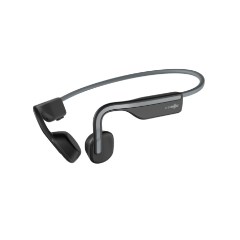
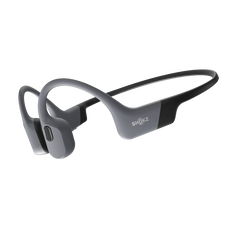
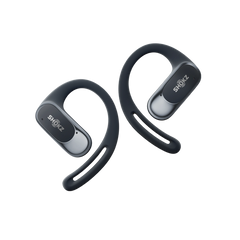
Open-ear headphones sit outside the ear and use bone conduction or directional tech to help you stay aware when running. You hear your playlist without missing the roar of the crowd or the footsteps of the runner behind you.
Part 2. What to Consider When Choosing London Marathon Headphones
Picking your kit for race day isn't just about sound quality. It’s about what won’t annoy you when you’re exhausted. Get this right, and you’ll barely notice they’re there.
1. Battery Life That Covers Your Full Race Morning
Between early travel, waiting in start pens, warm-up music, and the race itself, headphones can easily be in use for eight hours. A battery rated for short workouts won’t survive that stretch without stress.
Realistically, your headphones need to last eight hours without blinking. Anything under 10 hours could leave no margin for delays. Looking for something beyond that for a buffer against delays and the temptation to turn them on far earlier than planned.
2. Stability That Stays Secure Even at Race Pace
There’s nothing worse than headphones that won’t stay put. If you’re constantly reaching up to adjust them, you’re wasting energy. Wraparound designs with a solid frame are usually the best bet, they won’t budge even when you’re dodging other runners or picking up the pace. You want ear hooks that actually stay hooked.
3. Sweat and Rain Resistance Is a Must for UK Spring Weather
April in London is anyone's guess. It can be sunny one minute and tipping it down the next. Your kit needs to handle both. An IP55 rating is pretty much the standard you need for sweat and drizzly rain. Anything less and you’re asking for trouble halfway through.
Check the specs properly before you buy, don't wait until you're at mile 15 in a downpour to find out they aren't waterproof.
4. Ease of Use Even When You're Tired or Sweaty
When you hit mile 20, your brain basically turns to mush. You don’t want to be faffing around with tiny touch controls or complicated menus. Big, physical buttons are a lifesaver. You should be able to skip a track or turn up the volume without having to dig your phone out of your belt or stare at your reflection in a shop window.

Part 3. Commonly Overlooked Details When Choosing London Marathon Headphones
Beyond the obvious specs, subtle factors separate good race headphones from great ones. These details reveal themselves during long training runs.
1. Comfort During the 26.2 Miles
A quick test in a shop tells you nothing. Pressure points only show up after 90 minutes, and by mile 15, anything that pinches will be unbearable. Your headphones should feel nearly invisible. If they cause the slightest irritation during training, don't risk them on race day.
2. Weight Adds Up Over Distance
Every gram adds up over 26.2 miles. Heavy headphones cause neck fatigue and tension in your shoulders that you just don't need. Aim for a pair under 35 grams. Lighter designs fade into the background and let you focus on pacing and form instead of discomfort.
3. Personal Fit Matters More Than You Think
One size doesn’t fit everyone. Fit is about keeping everything exactly where it should be when you’re tired and moving forward on autopilot.
Runners with smaller heads often struggle with bounce or shifting, even when the design is solid. Brands that offer multiple frame sizes make life much easier. Measuring head circumference before buying saves returns and prevents London marathon route race-day surprises.
Part 4. Race-Test Your Headphones Before the 2026 London Marathon
Never debut new gear on race day. This rule applies to headphones just as much as trainers.
1. Use Your Long Runs as Headphone Test Days
Your 16-mile and 20-mile runs are the perfect time to replicate race conditions. Use them to keep an eye on battery drain, comfort, and stability, and jot down any issues in your training log. Small annoyances during practice will quickly turn into major problems during the actual competition.
2. Try Running with Your Full Marathon Setup
Wear your race-day singlet, shorts, and cap alongside your headphones. Some kit combinations just clash: hat brims can knock against wraparound frames, and sunglasses arms often compete for space. It’s much better to discover these conflicts during training than when you're standing in Greenwich Park.
3. Practice Adjusting Settings Without Stopping
Make sure you can skip a track without breaking your stride or needing a visual check. Build that muscle memory now. When you’re on autopilot on race day, you’ll need to rely on the habits you formed during your preparation.
Part 5. Tips for the London Marathon Route
Smart racing is all about combining the right gear with knowing the course. Understanding what’s coming up in the London Marathon 2026 will help you run a much smarter race.
1. Learn the Key Landmarks so You Always Know Where You Are
Tower Bridge comes up around mile 12, and the Canary Wharf loop covers miles 14 to 19. You’ll see Buckingham Palace just before the finish line. Knowing these spots helps break the 26.2 miles into smaller, manageable chunks. You can even plan your playlist segments to match these specific parts of the route.
2. Where to Find Water Stations and Energy Gels
Water stations are roughly every mile after the start, with Lucozade Sport available at set points along the way. It’s a good idea to lower your volume when you get close to these zones. Volunteers will be shouting out which tables have water and which have sports drinks, you don’t want to miss that info and waste time.
3. The Downhill Advantage: Making the Most of the First 3 Miles
The first three miles are mostly downhill. It’s very easy to go too fast here because your legs are fresh and gravity is helping. Use this bit to find your rhythm rather than trying to "bank" time. Your headphones are a great tool here to help you stick to a steady, sustainable pace right from the off.
Part 6. Recommended Sports Headphones for Your London Marathon Gear List
Not all headphones are up to the job on race day. These picks focus on what actually matters when you're 20 miles in.
1. Best Open-Ear Picks for Safety and Comfort
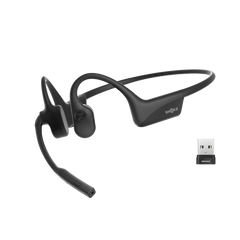
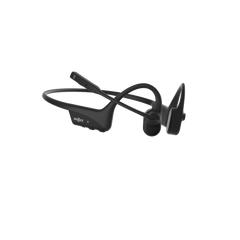
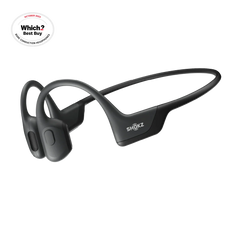
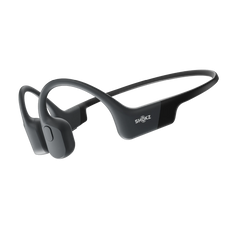
The Shokz OpenRun Pro 2 is designed for endurance runners who don't want to compromise. Its open-ear design ensures you can still hear marshal instructions while you run.
By using dual drivers (bone conduction plus air conduction), the sound stays crisp without you having to plug your ears. The nickel-titanium frame stays locked in place whether you’re dodging other runners or grabbing a water bottle. At just 30.3 grams, you’ll barely feel them by mile 10.
Here's how its features translate to real race-day benefits:
- 12-hour battery life: This covers your whole morning from the warm-up to the finish line, with plenty of juice left even if there are delays at the start pens.
- IP55 water resistance: Perfect for those unpredictable April showers and heavy sweat. They won't crackle or cut out when the UK weather turns.
- Standard and mini sizes: You can get a personalised fit that won't bounce around, no matter your head shape.
- Two noise-cancelling mics: Great for taking a quick call from family members who are tracking your progress on the course.
- Bluetooth 5.3 with multipoint pairing: You can switch between your phone and your running watch without having to stop and faff with settings.


2. Tips for Using Headphones on the London Marathon Route
Try to keep your volume below 60% so you stay aware of what’s happening. You’ll need your wits about you in noisy spots like the Cutty Sark and Tower Bridge. Always charge them fully the night before and check your playlist length against your target finish time, you don’t want the music to run out at mile 24!
Final Thought
Getting to that finish line on The Mall takes months of proper hard graft. Everything counts: your training, what you eat, and the kit you pick for the day. Headphones might seem like a tiny detail, but the wrong pair will drive you barmy over 26.2 miles.
The London Marathon 2026 is a massive shift, from the roar of the crowds to that unpredictable April weather. You need a kit that just works without you having to think about it, especially when things get tough in the final few miles. The Shokz OpenRun Pro 2 ticks all the boxes here, so you can just get on with your race knowing your tech isn't going to let you down.

Frequently Asked Questions About Marathon Running Gear
1. Are there any specific headphone rules for the 2026 London Marathon?
You’re fine with most types in the mass race, provided you can still hear the marshals. Open-ear headphones like the ones from Shokz are actually encouraged at the London Marathon because they fit right in with the safety rules about staying aware.
2. Will Headphones Affect My Pacing or Focus?
Music is brilliant for keeping your rhythm, and the Shokz OpenRun Pro 2 sorts out those usual worries about battery life or headphones slipping mid-run.
3. What Features Matter Most for Marathon Headphones?
Battery life is the big one, but you also need proper comfort, rain resistance for the UK weather, and that crucial awareness you get from an open-ear fit.
4. How Long Should My Headphones' Battery Last for a Marathon?
Plan for at least 10 hours of battery life. That accounts for pre-race waiting time as well as the run itself. Anything less leaves too little margin if the start is delayed or you turn them on earlier than expected.