




-
What Counts as "Premium" Headphones?
-
Are the Most Expensive Headphones Actually Better?
-
Best 5 Alternatives to Overpriced Headphones
-
Final Thoughts
-
Frequently Asked Questions
There are headphones out there that cost as much as a weekend trip abroad, and their marketing will have you believe you're missing out on some life-changing audio experience. But are the most expensive headphones genuinely better, or are you mostly paying for the name on the box?
The answer is, sometimes, yes, but far less often than the price suggests. Many features you'd once only find on a £500 pair are now standard on headphones costing a fraction of that. This guide breaks down how headphone pricing really works, where the value starts to drop off, and which alternatives are worth your money right now.
What Counts as "Premium" Headphones?
Before getting into value, it helps to know what each price bracket actually gets you.
Budget (£0–£100)
Good for casual listening, with basic Bluetooth and decent battery life. Audio quality has improved a great deal at this level, and you won't be short-changed for everyday use. Most pairs lack active noise cancellation, but plenty of solid options exist.
Mid-range (£100–£300)
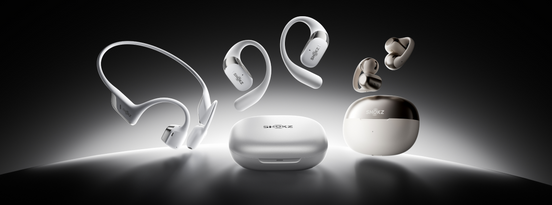
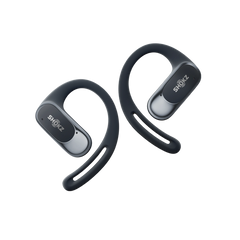
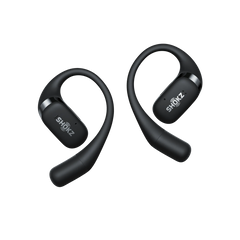
You start seeing ANC, multi-device pairing, premium drivers, and companion apps. Shokz open-ear clip-on earbuds like the OpenFit Pro are in this bracket, and they pack technology that most people associate with far more expensive products.
Premium (£300–£800)
Build quality, ANC performance, and sound refinements become more noticeable here. You're paying for better materials, more precise engineering, and a more polished overall experience.
Really expensive headphones (£800+)
These are primarily for audiophiles and professionals. We're talking hand-crafted headphones with audiophile-grade components. The performance difference is real at this level, but completely out of scope for most everyday listeners.

Are the Most Expensive Headphones Actually Better?
For most people, no, and there's a clear reason for that.
Premium features that you once exclusively found in the £400 to £600 bracket have worked their way down into mid-range headphones over the last few years. Real-time active noise cancellation, spatial audio, multipoint Bluetooth, AI-powered call clarity, you'll find all of these on products that cost well under £300 today.
Many expensive headphones charge what's often called a "brand tax." You're paying for the name, the packaging, the marketing spend, and the brand legacy, not purely for better sound. That's not a criticism, exactly. At the very top of the range, the engineering is genuinely impressive, and the experience reflects the price. But the jump in real-world listening quality between a £150 pair and a £450 pair is far smaller than the price gap implies.
Best 5 Alternatives to Overpriced Headphones
You don't need to spend a fortune on headphones to get a great listening experience. Here are five of the best options for anyone looking to side-step the most overpriced headphones on the market without compromising on quality.
Shokz OpenFit Pro
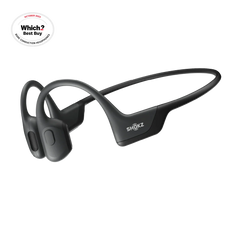
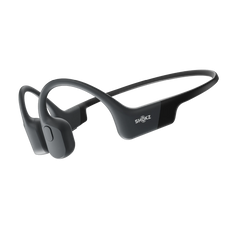
The Shokz OpenFit Pro are open-ear clip-on earbuds that combine flagship-level audio technology with a completely open design that keeps you aware of your surroundings at all times. For runners, commuters, and people who spend long hours with headphones on, that's a genuine advantage.
These are also the first Shokz open-ear clip-on earbuds to feature Noise Reduction. The new Shokz SuperBoost™ driver system uses synchronised dual diaphragms to bring out detail across the full frequency range, and the Dolby Atmos support with head tracking puts the sound quality on a different level to any previous Shokz model. The triple-mic system is equally impressive on calls.
Key features:
-
Shokz SuperBoost™ dual-diaphragm driver (11 x 20mm ultra-large) for rich bass and detailed highs
-
Open-Ear Noise Reduction, the first noise reduction technology in any Shokz headphone
-
Up to 50 hours total battery life (12 hours per charge, noise reduction off)
-
Triple-mic array with AI, reducing up to 99.4% of background noise on calls
-
Dolby Atmos with dynamic head tracking for spatial audio
-
IP55 sweat and water resistance
-
Nickel-titanium alloy ear hooks and Ultra-Soft Silicone™ 2.0 for all-day comfort
-
Qi-compatible wireless charging
-
Quick charge: 10 minutes = 4 hours of playback
-
Bluetooth 6.1 for a stable connection up to 10 metres


Sony WH-CH720N
The Sony WH-CH720N is one of the best-value over-ear headphones on the market right now. For under £200, you get active noise cancellation, multipoint Bluetooth, and Sony's DSEE audio upscaling, features that would normally push the price much higher.
Key features:
-
Dual Noise Sensor technology with Sony's Integrated Processor V1 for effective ANC
-
Up to 35 hours battery with ANC on; up to 50 hours without
-
Ultra-lightweight design at just 192g, among Sony's lightest wireless noise-cancelling headphones
-
Adaptive Sound Control that adjusts automatically to your environment
-
Bluetooth 5.2 with multipoint pairing for two devices simultaneously
-
Quick charge: 3 minutes = 1 hour of playback
-
DSEE audio upscaling for improved playback from compressed audio files
-
Physical button controls, available in black, white, and blue
Anker Soundcore Space Q45 Wireless
The Soundcore Space Q45 punches well above its price in the features department. This full-size over-ear headphone includes LDAC Hi-Res Audio support, something you'd typically expect to find on products costing considerably more.
Key features:
-
Adaptive 3-stage ANC with 5 adjustable levels for precise noise control
-
LDAC Hi-Res Audio Wireless support (alongside SBC and AAC)
-
40mm double-layer drivers made from silk and ceramic for detailed sound
-
Up to 50 hours battery with ANC on; up to 65 hours with ANC off
-
Bluetooth 5.3 with multipoint pairing
-
Rapid charge: 5 minutes = 4 hours of playback
-
Dual-mic setup with AI for clearer calls
-
Foldable design with a carry case included
Beats Powerbeats Pro 2
The Beats Powerbeats Pro 2 are built for staying locked in your ears no matter what you're doing. These in-ear headphones with secure-fit ear hooks went through over 1,500 hours of athlete testing before launch, and the result is one of the most stable-fitting pairs of earbuds on the market.
Key features:
-
Secure-fit nickel-titanium alloy ear hooks designed for intense physical activity
-
Built-in heart rate monitor for workout tracking
-
Powered by the Apple H2 chip for seamless performance on Apple and Android devices
-
Adaptive ANC and Transparency mode for flexible listening
-
Personalised Spatial Audio with dynamic head tracking
-
Up to 10 hours of continuous playback per earbud; 45 hours total with wireless charging case
-
IPX4 water and sweat resistance
-
Bluetooth 5.3 with multipoint pairing
-
Fast Fuel: 5 minutes = 1.5 hours of playback
-
Voice Isolation technology for clear calls in noisy environments
Apple AirPods Pro 3
Launched in September 2025, the Apple AirPods Pro 3 brought a significant upgrade in ANC performance over their predecessors and added a heart rate sensor for fitness tracking, all while keeping the same price point. They're among the most fully featured in-ear headphones at this price.
Key features:
-
Up to 2x more effective ANC compared with the AirPods Pro 2
-
Built-in heart rate sensor for workout tracking across 50+ exercise types
-
IP57 water and sweat resistance
-
H2 chip for fast processing and low-latency audio
-
Up to 8 hours with ANC on; up to 10 hours in Transparency mode
-
Personalised Spatial Audio with dynamic head tracking
-
Foam-infused ear tips in 5 sizes (including a new XXS option) for a secure fit
-
Live Translation via Apple Intelligence for real-time multilingual conversations
-
Hearing Aid feature and built-in Hearing Test
-
Wireless charging (Qi compatible)
Final Thoughts
Expensive headphones are not a rip-off across the board, but they're not for everyone either. If you're a serious audiophile or record and mix audio professionally, a premium pair makes sense, and the performance reflects the price. For most people, though, the mid-range market has never been stronger, and the five options above prove it.
The Shokz OpenFit Pro, in particular, stands out for anyone who wants a genuinely different listening experience, one that keeps you connected to the world around you without skimping on sound quality.

Frequently Asked Questions
Are expensive headphones always better?
No. The real-world listening gap between mid-range and premium headphones is much smaller than the price difference implies. Features like ANC, spatial audio, and multipoint Bluetooth, once exclusive to expensive headphones, are now standard on products priced under £300. Beyond a certain point, extra cost tends to reflect brand prestige and incremental build refinements rather than a dramatically better listening experience for most people.
What are the most expensive headphones in the world?
The most expensive headphones in the world include the Sennheiser Orpheus HE 1 system, which retails for around £50,000. Other ultra-premium options include the Focal Utopia (around £4,000) and the Audeze LCD-5 (around £3,800). These are designed for professional and enthusiast use, not everyday listening.
Is there a big sound difference between cheap and expensive headphones
The difference is noticeable at the lower end. Going from a £20 pair to a solid £80 to £100 pair brings a clear improvement in bass depth, detail, and balance. Beyond that, the jump from £150 to £400 is much less dramatic. At that level, improvements in soundstage and driver engineering are real, but you'll often need a trained ear to fully appreciate them in everyday settings like a commute or a run.