


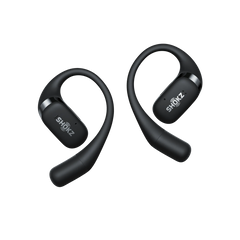


If you’re living with hearing sensitivity or ear conditions and struggle with traditional headphones, it might be time to consider open ear headphones. Whether they are plugged in ear or the over-ear models, traditional headphones can be uncomfortable or even painful for people living with hearing sensitivity or ear conditions.
In-ear headphones cause pressure in the ear canal and trap moisture that encourages bacterial growth, while over-ear ones clamp down on your head and jaw, causing heat buildup and physical discomfort.
Open ear wireless headphones sit outside the ear canal, reducing physical contact and allowing your ears to breathe. Could these be better for people with hearing sensitivity or ear conditions?
How Traditional Headphones Affect People with Hearing Sensitivity and Ear Conditions
When you have sensitive ears or an existing condition like hyperacusis or tinnitus, regular headphones can do more harm than good. Here’s what happens when you use them.
Increased Sensitivity (Hyperacusis Setbacks)
Hyperacusis is a condition where everyday sounds feel painfully loud. Around 8% to 15% of adults experience this condition, and it often develops after noise exposure or ear damage. Even at moderate volumes, the sealed design of in-ear or over-ear headphones can trigger setbacks that leave your ears feeling more sensitive for days afterwards.
Physical Pain and Ear Fatigue
In-ear headphones push into the ear canal, putting pressure on delicate tissues. Over-ear models clamp onto your head, pressing on the temporal bone and jaw. For people with conditions like temporomandibular joint (TMJ) disorders, this clamping force can cause headaches, jaw pain, and ear soreness.
Reduced Sound Tolerance (Hyperacusis Acceleration)
Using traditional headphones when you have hyperacusis can backfire on you. While it might seem logical to block out external noise with a tight seal, overprotecting your ears with sealed headphones or earplugs can actually increase your sensitivity to sound over time.
Your auditory system needs regular exposure to everyday noises to keep tolerance levels normal. When you isolate your ears completely, you're basically training them to become more reactive to sound.
Increased Ear Infections
Your ear canal is already a naturally warm, slightly moist place. Add a silicone tip that seals it off completely, throw in some sweat from your workout or commute, and you've basically created grounds for bacteria to grow.
The constant insertion and removal of earbuds can also irritate the ear canal lining, making it easy for infections to take hold. Every time you shove those tips in, you're potentially pushing bacteria deeper into the canal.

How Open Ear Headphones Address These Problems
Instead of sealing off your ears, open ear wireless headphones rest outside the ear canal or transmit sound through bone conduction. This design tackles many of the issues that traditional headphones create:
- No insertion into the ear canal: They don't go inside your ears, so there's no direct pressure on sensitive tissues and a reduced risk of pushing earwax deeper into the canal.
- Reduced physical pressure on sensitive areas: Open ear models sit gently against the outer ear or cheekbone, avoiding the clamping force that causes jaw pain and headaches.
- Improved airflow and reduced moisture buildup: Your ear canals stay open, allowing natural airflow that prevents the warm, damp conditions where bacteria multiply.
- Ability to listen at lower perceived volumes: Without the amplification that comes from a sealed ear canal, you can often listen at lower volumes while still hearing clearly.
- Less sensory overload for some users: The open design allows ambient sound to mix with your audio, which can feel less overwhelming if you have hyperacusis or sensory processing issues.
Bone Conduction vs Open-Air Open Ear Wireless Headphones: Which is Best for Ear Conditions
Both bone conduction and open-air designs keep your ear canals free, but they work quite differently.
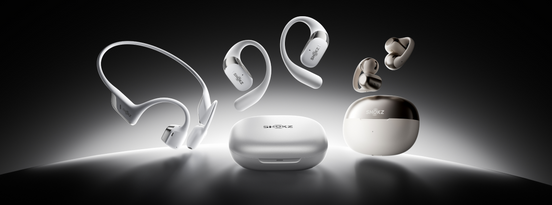
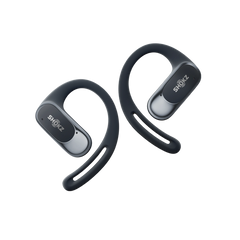
Open-air earbuds, on the other hand, sit just outside your ear canal and deliver sound through traditional drivers. The Shokz OpenFit Pro falls into this category. It features an 11 × 20mm ultra-large driver powered by Shokz SuperBoost™ technology, delivering detailed sound with minimal distortion. The OpenFit Pro uses an Open Ear Noise Reduction system, a triple-mic setup with an ear-adaptive algorithm that provides consistent noise reduction without sealing your ear canal. This means you can enjoy clear audio in noisy environments while maintaining awareness of your surroundings.


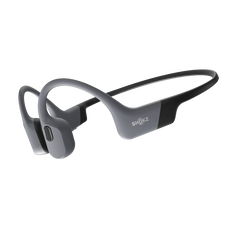
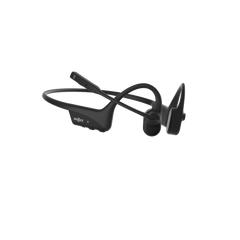
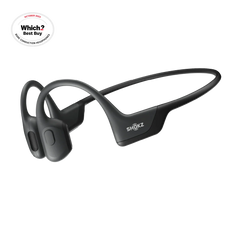
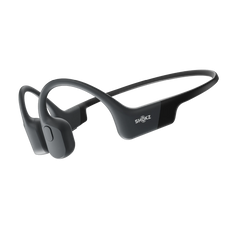
Bone conduction headphones, like the Shokz OpenRun Pro 2, on the other hand, use transducers that sit on your cheekbones. They send sound vibrations through your skull directly to your inner ear, bypassing the eardrum entirely. This makes them useful for people with certain types of hearing loss or those who need maximum situational awareness. Runners love them because you can hear traffic and other people while still enjoying your music.
Bone conduction works well if you need to keep your ears completely unobstructed or have specific types of hearing loss. Open-air models like the OpenFit Pro tend to offer better sound quality and more features like noise reduction, making them a better fit if you want a balance between awareness and audio performance.
Who Should Consider Open Ear Headphones, and Who Shouldn’t
Open ear headphones aren’t for everyone, but they can improve comfort for users with sensitive ears.
Ideal for:
- People with ear canal sensitivity: If inserting earbuds causes pain or triggers hyperacusis setbacks, open ear models cut out that direct contact.
- Users with recurring ear infections: By allowing airflow and avoiding moisture buildup, open ear headphones can reduce infection risk.
- Those recovering from ear-related procedures: After surgery or treatment, your ears need time to heal. Open ear designs let you listen without putting pressure on sensitive or healing tissues.
- Listeners who value comfort over immersive sound: If long-term wearability matters more than deep bass or complete isolation, open ear headphones deliver all-day comfort.
Not ideal for:
- Audiophiles seeking deep bass: Open ear designs can't match the low-frequency response of sealed in-ear or over-ear headphones. While models like the OpenFit Pro and OpenDots ONE come close with advanced drivers, there’s still a slight difference.
- Users in loud environments: Open ear headphones let ambient noise in by design. This is helpful for awareness, but problematic if you're working in a noisy office or commuting on loud public transport.
- People with severe hearing loss (without professional guidance): Bone conduction can help certain types of hearing loss, but you should consult an audiologist to determine if it's appropriate for your specific condition.
Are Open Ear Wireless Headphones Worth Trying?
If traditional headphones have left you frustrated or in pain, open ear models can be an alternative. They won't solve every problem, but for people with hyperacusis, recurring infections, TMJ issues, or general ear sensitivity, they address the root causes of discomfort that sealed designs create.
That said, open ear headphones work best when you understand their limitations. They're not built for noisy environments or bass-heavy listening. If your main issue is pressure, moisture buildup, or clamping force, they're worth trying. If you need complete isolation or studio-quality sound, you might be disappointed.
Before you invest, consider your specific needs. Do you need waterproofing for swimming? Go with the OpenSwim Pro. Want the best overall sound quality with noise reduction? The OpenFit Pro is your best option.
The right pair can make a real difference. Just make sure you're choosing based on your actual requirements, not just the latest features.

Frequently Asked Questions
Can open ear headphones cause hearing damage?
Yes, but only at excessive volumes. Open ear headphones follow the same safety guidelines as any audio device. Keep the volume at or below 60% of maximum and limit continuous listening to about 60 minutes before taking a break. Many Shokz models include app controls to help you monitor and limit volume levels.
Are open ear headphones safe for people with tinnitus?
Open ear headphones can feel more comfortable than sealed designs for people with tinnitus. They don't create the sealed environment that can amplify perceived tinnitus sounds. The open design also allows you to listen at lower volumes while still hearing your audio clearly. However, reactive tinnitus can still be triggered by external sounds, so start at low volumes and pay attention to how your symptoms respond. If you notice increased ringing, reduce the volume or take a break.
Can I use open ear headphones if I have frequent ear infections?
Yes, and they may actually help prevent future infections. Open ear headphones don't insert into the ear canal, so they eliminate the primary cause of headphone-related infections, which is trapped moisture and bacteria. Your ears can breathe naturally, reducing the warm, damp conditions that encourage bacterial growth.
Do open ear headphones leak sound?
They do let some sound escape, but modern designs like the OpenFit Pro use DirectPitch™ technology to minimise leakage. This technology uses phase cancellation to keep your audio directed toward your ears rather than broadcasting it to people nearby. In quiet environments, someone standing very close might hear faint audio, but it's rarely an issue during normal use.
How loud should open ear headphones be for safe listening?
Follow the 60/60 rule. That is, listen at no more than 60% of maximum volume for up to 60 minutes at a time. Then take a 5 to 10-minute break to let your ears rest.