




-
What Are Clip-On Ear Earbuds and How Do They Work?
-
Why Clip-On Ear Earbuds Are the Best Option for Tiny Ear Canals
-
What to Look for in Open-Ear Earbuds for Tiny Ear Canals
-
Final Thoughts
-
Frequently Asked Questions
If you've ever had a pair of earbuds fall out constantly, or had to swap tip sizes and it still didn’t feel quite right, there's a good chance your ear canals are on the smaller side.
Most standard earbud designs are one-size-fits-most, leaving people with smaller ear canals behind. The result is usually that the earbuds sit loosely, fall out when you move, or feel uncomfortable after just a short period of wear. For some people, forcing a tip into a narrow canal can cause discomfort that doesn't go away, no matter how much you adjust.
Read on to learn how to choose the right earphones for small ear canals.
What Are Clip-On Ear Earbuds and How Do They Work?
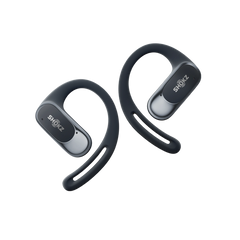
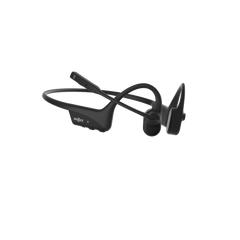
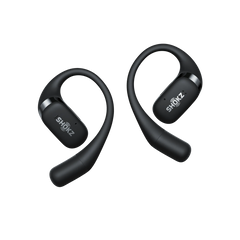
Open-ear earbuds are designed to rest outside the ear canal instead of sitting inside the ear canal. They are held in place by an ear hook or clip mechanism, so your ear canal stays entirely uncovered while you listen.
Sound enters the ear from outside rather than being pushed in through a sealed tip. This is what allows you to hear your music while still picking up what's going on around you, traffic, a colleague, or an announcement at the station.
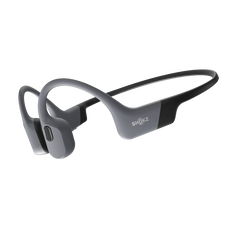
There are a few different types within this category. Some open-ear earbuds use a small driver positioned near the ear opening. Others use bone conduction technology, which sends vibrations through the cheekbones directly to the inner ear, bypassing the ear canal altogether. Both approaches keep the ear open, just through different methods.
Why Clip-On Ear Earbuds Are the Best Option for Tiny Ear Canals
Open-ear designs solve most of the core problems for people with tiny ear canals at once. Here's why they work so well:
No Insertion in Your Ear Canal
Open-ear earbuds don't go inside your ear. There's no tip to fit, no canal to fill, and no seal to maintain. Your ear canal size is no longer relevant. That's the entire problem solved by a single design.
Comfortable for Long-Term Use
In-ear earbuds press against the walls of the canal, and that pressure accumulates. An hour in, most people barely notice, but by hour three or four, the discomfort is hard to ignore. Open-ear designs remove that entirely, resting against the outer ear instead. You can wear them through a full workday or a long run without feeling the urge to take them off.
Stable Fit
Standard earbuds give you three tip sizes, and that’s it. Open-ear earbuds use ergonomic ear hooks that wrap around the outer ear and hold the device in place. A well-designed ear hook works across a much wider range of ear shapes, which is exactly what makes this format so accessible for people with small or narrow canals.

What to Look for in Open-Ear Earbuds for Tiny Ear Canals
Not every open-ear earbud is built the same way, and a few key details can make a real difference when you're actually using them.
Lightweight, Well-Shaped Ear Hooks
The ear hook keeps everything in place, so its design matters. Great earbuds for small ears use hooks made from flexible materials that adjust slightly to the shape of your ear, rather than rigid ones that sit awkwardly after a few minutes. Weight matters too; lighter earbuds are easier to forget you're wearing, which is the aim.
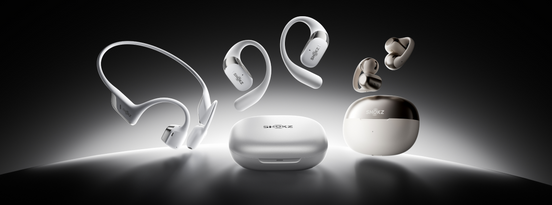
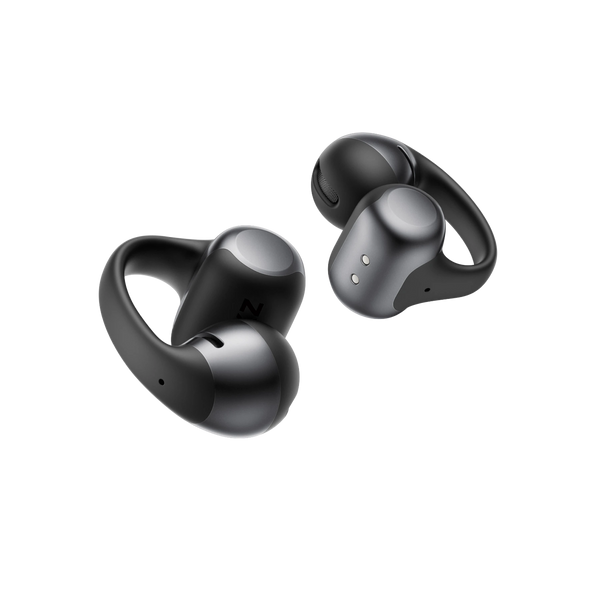
The Shokz OpenDots ONE uses a clip-on mechanism with Shokz JointArc™, a titanium alloy plate built into the ear hook that adapts to your ear shape for a secure but pressure-free fit. The soft silicone material makes you comfortable even during long listening sessions without digging in.


A Secure Fit for Active Use
If you plan to wear your earbuds during exercise, the fit needs to hold up as you move. Look for designs that wrap around the ear rather than simply balancing on it. Earbuds that shift around every time you pick up the pace won't work for a run or a gym session.
Battery Life and Charging Convenience
Consider the battery life and how the earbuds charge before you buy. A pair that needs charging every few hours is going to interrupt your day more than it should.
The OpenDots ONE gives you up to 10 hours of playback per charge, with up to 40 hours combined with the charging case. Both fast wired charging and wireless charging are supported, so topping up fits around your routine rather than interrupting it. For most people, that means going through the full working week without thinking about battery.
Water and Sweat Resistance
If you're using your earbuds during workouts or on wet commutes, you want something rated for sweat and light rain at a minimum. Shokz builds its open-ear products for everyday active use, so moisture isn't a concern. The OpenDots ONE is designed to go where you go.
Final Thoughts
For anyone who has spent years trying and failing to find earbuds that stay in place and feel comfortable, consider switching to open-ear clip-on earbud designs. There's no tip sizing to figure out, no pressure building in the ear canal, and no mid-run fidgeting to stop them falling out.
The best earbuds for small ear canals aren't necessarily the ones with the smallest tips. They're the ones that stop depending on ear canal size altogether. Open-ear clip-on earbuds, such as the Shokz OpenDots ONE, are worth serious consideration if you've never been comfortable using standard earbuds.

Frequently Asked Questions
Are open-ear earbuds better than in-ear for small ears?
For most people with smaller ear canals, yes. In-ear earbuds rely on a tight fit in the ear canal, which is difficult to achieve if yours are narrow or unusually shaped. Open-ear designs sit entirely outside the canal, so the fit doesn't rely on it. You get a consistent, comfortable result regardless of ear anatomy.
Do open-ear earbuds have good sound quality?
Noticeably better than they used to be. You won't get the same bass-heavy, isolated sound of a sealed-in-ear, but the technology has come a long way, especially for high-quality options use like the Shokz OpenDots ONE. It uses Bassphere™ technology and Dolby Audio to deliver a rounded listening experience. For everyday use, commuting, working, and exercising, the quality is well above what you might expect.
Are bone conduction headphones safe and comfortable?
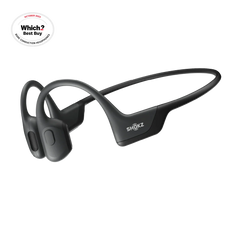
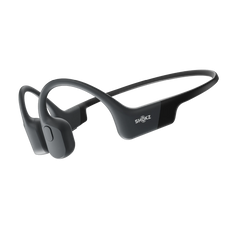
Yes. Bone conduction technology has been used in hearing aids and specialist audio equipment for years before it made its way into consumer earbuds. For everyday listening, it's safe and generally very comfortable, particularly for people who find anything inside the ear canal uncomfortable. Shokz's bone conduction range, including the OpenRun Pro 2, is built specifically for long, active wear.
Can I use open-ear earbuds for calls and meetings?
Yes, most modern open-ear earbuds include built-in microphones well-suited for calls. If calls are a significant part of your day, the Shokz OpenFit 2+ is worth looking at. It features four AI-powered noise-cancelling microphones that keep your voice clear even in noisier surroundings.
What's the downside of open-ear earbuds?
The main trade-off is audio isolation. Because the ear canal is open, background noise comes in, and at higher volumes, some sound can leak out to people nearby. They're not ideal for very loud environments if you need deep focus. For day-to-day use, though, commuting, working from home, and outdoor exercise, those trade-offs are minor and easy to live with.