





The Great North Run is one of the biggest days in the UK running calendar, and getting to the start line is only half the job. After months of early mornings and long training runs, the last thing you want is a forgotten gel or the wrong pair of socks causing problems on the morning.
With around 60,000 runners heading from Newcastle to South Shields on Sunday 13 September 2026, race morning moves fast. A clear half marathon checklist helps you stay organised. You know what to wear, what to carry, and what to leave at home.
This guide is your checklist for marathon race day. It covers kit and nutrition to recovery and the gear most runners forget.
- Why Race Day Preparation Matters
- What to Wear for Great North Run
- What to Bring to Great North Run
- The One Piece of Gear Many Runners Overlook
- Why More Great North Run Runners Are Choosing Open-Ear Headphones
- Why Shokz OpenRun Pro 2 Is Built for Great North Run
- Great North Run Race Morning Timeline
- Frequently Asked Questions
- Final Thoughts
Why Race Day Preparation Matters
Race day is not the time to be making decisions. The runners who enjoy the Great North Run most are usually the ones who sorted the small stuff days earlier, so nothing is left to chance on the morning itself.
Small Mistakes Can Ruin a Great Race
Most pre-race nerves come from the things you cannot control, like the weather or how your legs will feel at mile 10. Good preparation means taking everything you can control off that list, so your mind is free to focus on the run.
The classic race day mistakes are small but costly. Wearing brand new trainers, forgetting your race number, packing the wrong layers for the forecast, or reaching the start line to find your headphones are flat. None of these end a race on its own, but together they chip away at your focus before the gun even goes.
You will feel more ready and less panicked when you've sorted your kit the night before the race. You will already know what you are wearing, what is in your bag, and what time you need to leave.
Great North Run Has Unique Challenges
The Great North Run is a different scale of event to a quiet local 10K, and a few things about it are worth planning for specifically.
- The scale of the event: With around 60,000 runners, the Great North Run is one of the world’s largest half marathons. Expect busy start areas, long queues, and extra travel time throughout the day.
- Start-line waiting: Depending on your wave, you may spend time waiting on the A167 before crossing the start line. Bring a warm layer that you can remove once the race begins.
- Changeable weather: September in Newcastle can bring sunshine, drizzle, or wind in the same morning. Average temperatures are around 15–17°C, but it can feel cooler while you are waiting.
- Coastal winds: The final miles towards South Shields are exposed to the sea breeze, which can feel challenging when fatigue sets in.

What to Wear for Great North Run
Your race day outfit should feel familiar. Everything you wear, from your trainers to your socks, should have been tested during training so there are no surprises over 13.1 miles.
Running Shoes: Never Wear New Shoes on Race Day
Your trainers are the most important piece of kit you own, and race day is the worst time to try a brand-new pair. Fresh foam and stiff uppers can cause blisters and hot spots over a half marathon, even if they felt comfortable in the shop.
Race in the shoes you have already used for your long runs — the pair your feet know well. If you buy new trainers for the event, test them on several shorter runs first, including one longer session, so you know exactly how they feel when fatigue sets in.
The same applies to socks, insoles, and lacing. Make sure every part of your footwear setup has been tested before Great North Run day.
Choosing the Right Running Clothing
Choose clothing you can comfortably run in for a couple of hours, then keep the rest simple.
- Running tops: A lightweight, moisture-wicking top helps move sweat away from your skin and dries quickly. Avoid cotton, which absorbs moisture and can feel heavy.
- Running shorts or tights: Wear the pair you have trained in. If they have never caused discomfort on long runs, they are a safe choice for race day.
- Running socks: Technical running socks help reduce the risk of blisters compared with everyday cotton socks. Choose a pair that fits well and has been tested before.
- Lightweight layers: If the morning feels cool, wear a breathable layer you can easily remove. Many runners use an old jumper or disposable layer while waiting in the start pens before discarding it for charity collection.
Preparing for UK September Weather
September weather in Newcastle can be mild but unpredictable. Expect temperatures around 15–17°C, with cooler conditions in the morning and stronger breezes closer to the coast.
Dress for running, not standing still. You will warm up quickly once you start moving, so a lightweight layer is usually better than anything bulky. A packable windproof layer can also help during the exposed coastal section.

What to Bring to Great North Run
Beyond your race outfit, a small kit bag of essentials completes your half marathon checklist. Your baggage travels from the Newcastle start to the South Shields finish, so pack items you will need after the race rather than during it.
Essential Race Day Items
- Race number (bib) and safety pins: Attach your bib the night before to avoid last-minute stress.
- Timing chip: Check whether your timing chip is included in your bib or needs separate attachment.
- Photo ID: Useful for registration queries and travel if needed.
- Phone: Bring a fully charged phone for photos, tracking, and meeting supporters afterwards.
- Payment card and cash: Handy for food, drinks, or unexpected travel costs.
- Travel ticket: Prepare your Metro or train ticket before race morning.
Nutrition Essentials
- Energy gels: Carry only gels you have tested during training. Avoid trying new products on race day.
- Electrolytes: Consider electrolyte tablets if you need extra salts, especially in warmer conditions or if you sweat heavily.
- Hydration plan: Use the course drink stations strategically and drink according to your needs rather than overhydrating.
- Breakfast: Eat a familiar meal two to three hours before the start, such as porridge or toast.
Recovery Essentials
- Recovery snack: Bring something easy to eat after finishing, such as a banana, flapjack, or protein drink.
- Dry clothes: Pack a warm top, dry socks, and a jacket. You can cool down quickly once you stop at the coast.
- Recovery footwear: Comfortable sliders or flip-flops can make a big difference after 13.1 miles.
The One Piece of Gear Many Runners Overlook
Most runners focus on trainers, GPS watches, and nutrition, but headphones are another important part of race-day kit that is often overlooked.
Consider the full race-day experience. Your headphones may be with you while waiting at the start, warming up, running all 13.1 miles, and travelling home afterwards — adding up to several hours of use.
The right pair can affect your comfort, awareness, and how much of the famous Great North Run atmosphere you experience. Add a reliable pair of running headphones to your checklist rather than leaving your race-day audio to chance.
Why More Great North Run Runners Are Choosing Open-Ear Headphones
Open-ear headphones have changed things for road racers. Instead of sealing your ears shut, they leave your ear canal open, which turns out to matter a lot on a course like this one.

Stay Aware in a 60,000+ Runner Event.
In a field of 60,000, you need to stay aware. Traditional in-ear headphones seal your ear canal and block the sounds around you, which is the last thing you want when you are shoulder to shoulder with other runners, listening for marshals, or moving through a busy drink station.
Open-ear headphones for sport sit just in front of your ears and leave the canal completely clear. You hear your music and everything else at once: the footsteps beside you, a marshal’s instruction, the runner about to overtake on your shoulder. That awareness is needed on a crowded road course. It is also why headphones are permitted at the Great North Run, as long as you keep the volume sensible and stay tuned in to what is happening around you.
Enjoy Your Playlist Without Missing the Atmosphere
The Great North Run is famous for its crowds. Bands on the roadside, cheering families, and the roar as you cross the Tyne Bridge are a huge part of the day, and sealing yourself off from all of it with noise-isolating earbuds would be a shame.
Open-ear designs let you have both. Your playlist keeps you company through the quieter stretches, while the support of the crowd still comes through when needed. You get your music and the moment, which is exactly what a day like this is about.
Why Shokz OpenRun Pro 2 Is Built for Great North Run
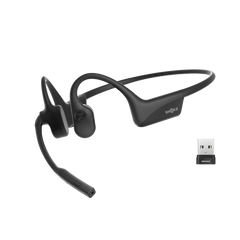
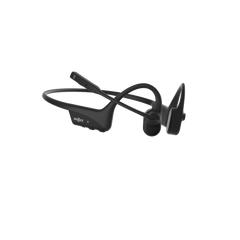
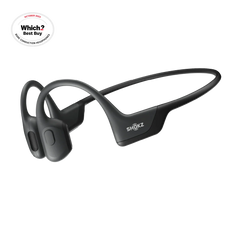
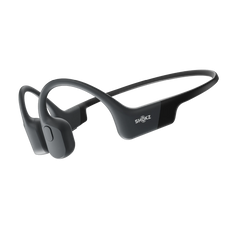
If you are looking for a pair to add to your kit, the Shokz Shokz OpenRun Pro 2 is made for exactly this kind of event. It is a set of bone conduction sports headphones designed around awareness, comfort, and staying put mile after mile.


Open-Ear Awareness for Safer Running
The OpenRun Pro 2 uses bone conduction, sending sound through your cheekbones while leaving your ears fully open. You get your music and full awareness of the runners, marshals, and traffic around you, which is exactly what you want on an open road course shared with tens of thousands of people.
Premium Sound for Long Training Runs
Bone conduction used to mean thin, tinny sound, but the Shokz OpenRun Pro 2 closes most of that gap. It uses DualPitch™ technology, pairing a bone conduction unit for the mids and highs with a dedicated air conduction speaker for deeper, more controlled bass.
That gives you clearer vocals and richer low end than older single-driver bone conduction headphones, which makes it far easier to live with across long weekend training runs as well as on race day itself.
Secure Fit That Won’t Bounce
A wraparound titanium frame hooks over your ears and sits snugly against your head, so it stays put whether you are cruising early on or pushing the pace downhill towards the coast. There are no buds to work loose and no wires to catch on your kit. Once it is on, you can forget it is there for the full 13.1 miles.
Ready for British Weather
With an IP55 rating for sweat and water resistance, the OpenRun Pro 2 shrugs off both a hard training sweat and the kind of drizzle a Newcastle September likes to throw at you. Whether the day is warm and dry or grey and damp, your headphones are not the thing that lets you down.
Battery That Lasts Beyond Race Day
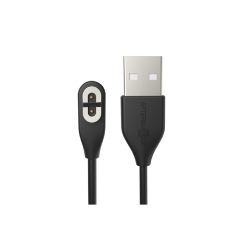
The OpenRun Pro 2 gives up to 12 hours of playback on a single charge, comfortably more than enough for the wait, the race, and the trip home with plenty in reserve. If you forget to charge it the night before, a five-minute quick charge gives you around 2.5 hours of playback, enough to cover the whole event.
Great North Run Race Morning Timeline
Here is a straightforward run-through, from the night before to the moment you cross the start line.
The Night Before
- Prepare your race kit: Pin your bib, attach your timing chip, and lay out your clothes and trainers so everything is ready in the morning.
- Charge your devices: Fully charge your GPS watch and OpenRun Pro 2, and prepare your race playlist in advance.
- Check the weather: Review the forecast and prepare the right layers for race morning conditions.
Two Hours Before the Start
- Eat a familiar breakfast: Choose something you have tested before, and allow enough time for digestion before running.
- Hydrate sensibly: Sip water or an electrolyte drink, but avoid drinking too much right before the start.
- Travel to the start area: Leave plenty of time for crowds and transport delays. The Metro is usually the easiest option, but expect busy services.
One Hour Before the Start
- Warm up gently: A short jog and some light mobility exercises are enough. Save your energy for the miles ahead.
- Drop your bag: Leave your baggage in good time and remember it will be transported to South Shields. Keep anything needed during the race with you.
- Complete your final gear check: Confirm your bib, timing chip, gels, watch, and headphones are all ready before entering the start pen.
At the Start Line
- Set your playlist: Connect your headphones before the race begins so you are not adjusting settings in the pen.
- Start your GPS watch: Turn it on early to allow time for satellite connection before the start.
- Keep nutrition accessible: Store your gels somewhere easy to reach so you can fuel without slowing down.
Keep your throwaway layer on until the last minute, then relax and enjoy the walk to the line.

Frequently Asked Questions
What should I bring to the Great North Run?
Bring your race number and timing chip, weather-appropriate running kit, and trainers you have already broken in. Add the energy gels you have trained with, a phone, ID, a payment card, and a charged pair of headphones. Pack a dry change of clothes and a recovery snack in your baggage bag for the finish.
What are the most important marathon essentials?
The non-negotiable marathon essentials are your race number, timing chip, tested trainers, and a nutrition plan you have practised. Everything else supports those basics. Comfortable clothing and the right headphones make the day more enjoyable, but running in untested shoes or skipping your fuel is what tends to derail people.
Are open-ear headphones good for half marathons?
Yes. Open-ear headphones keep your ear canal clear, so you can hear marshals, other runners, and traffic while still enjoying your music, which is ideal on a busy course like the Great North Run. They also tend to stay comfortable over long distances because nothing is pushed into your ear to cause pressure.
Can I wear OpenRun Pro 2 during the Great North Run?
Yes. The Great North Run allows headphones as long as you keep the volume reasonable and stay aware of your surroundings, and bone conduction models like the OpenRun Pro 2 are ideal for that because they leave your ears open. Its secure wraparound fit and IP55 rating handle the distance and the British weather comfortably.
Why do runners prefer open-ear headphones?
Runners tend to like open-ear headphones for awareness and comfort. Leaving the ear canal open means you stay tuned in to your surroundings, which feels safer on roads and in crowds, and there is no in-ear pressure building up over a long run.
Is OpenRun Pro 2 good for marathon training?
Yes. It offers up to 12 hours of battery, which covers long weekend runs with plenty to spare. The wraparound fit stays put mile after mile, and the IP55 rating handles sweat and rain. The open-ear awareness also makes it well suited to the road miles that most marathon and half marathon training involves.
Final Thoughts
A strong Great North Run starts long before the gun. Most of what goes wrong on the day traces back to something simple that was missed the night before, which is exactly why a checklist is worth the ten minutes it takes to work through.
Sort your kit, test nothing new, plan your nutrition, and give a thought to the gear you will wear longest. Comfortable, aware, well-charged headphones like the Shokz OpenRun Pro 2 belong on that list alongside your trainers and your gels.
Do the boring preparation well, and you free yourself up to enjoy the best parts of the day, from the Tyne Bridge to the crowds, and the long run down to the coast. Everything else is just a matter of ticking the boxes.