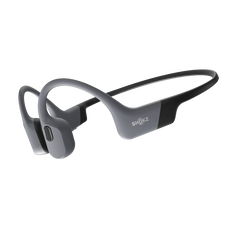


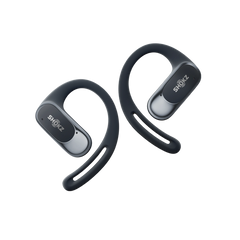
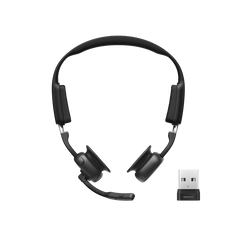
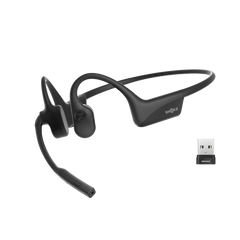
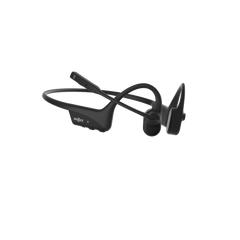

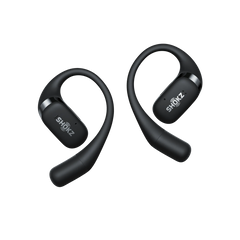


Wearing earbuds is a bit of a nightmare when your clip earbuds have to fight for space with your specs. Most designs completely ignore the fact that you've already got hardware perched behind your ears, leading to those lovely pressure points that start throbbing after twenty minutes.
Clip on earbuds are meant to sort this out by staying away from your ear canals and temples altogether. They sit right where nothing else is competing for room, so they don’t clash with your frames. But obviously, you don't want to trade comfort for rubbish sound. So, what should you actually be looking for in the best clip on earbuds?
In this guide, we’re going to look at the practical side of picking clip on earbud headphones that actually work with your prescription lenses or sunnies. No one should have to choose between seeing clearly and enjoying a decent podcast. Let’s get into the details of what actually works.
Part 1. Why Regular Headphones Fail Glasses Wearers
The space behind your ears is a bit like a crowded London flat—there’s just no room left once your specs have moved in. Something has to give.
Standard in-ear buds are a right pain because they rely on a perfect seal. But the moment you nudge your frames, the silicone tips shift, the bass vanishes, and you’re left with sound leaking everywhere. It’s a constant battle of either the buds falling out or your glasses being pushed at a weird angle, leaving you with a dull ache by lunchtime.
Over-ear cans are even worse for this. They trap the arms of your glasses against your skull with so much clamping force it feels like a vice. Whether it's plastic or metal frames, they eventually dig in, and if you need to take your glasses off for a second to wipe them, it becomes this awkward, tangled mess of hardware and cables.
Even a brisk walk becomes a faff. Every time you move, your frames rub against the headphones, making a creaking sound that ruins whatever you're listening to. It’s just one long stream of frustration that makes you want to pack the whole lot in.

Part 2. What Makes Clip-On Earbuds Different from Regular Earbuds
The whole idea behind clip on earbuds is that they stop fighting for the same bit of skin. Instead of shoving something into your ear or clamping a massive cushion over it, these things just nip onto the parts your glasses don't even touch. It’s a simple fix that lets both bits of kit live together in peace.
1. How Clip-On Designs Work
The genius of clip earbuds is that they don’t try to wedge themselves into your ear canal. Instead, they use a flexible little hook to grab onto the outer edge of your ear. The speaker just hovers right outside the opening, beaming the sound in without needing that tight, annoying seal.
The attachment point is the real winner here. Most decent designs clip onto the middle or top of your ear, which is miles away from where your glasses arms are perched. This separation means nothing is bumping into each other. Whether you’re out for a brisk walk or nodding along to a podcast, both stay exactly where they should be without you having to fiddle with them every five minutes.
Because they aren’t plugging your ears, they use air conduction to get the audio to you. You still get clear sound, but you aren’t deaf to the world around you. That’s basically the whole point of open-ear listening: you can enjoy audio while still hearing traffic or someone saying “sorry” on the pavement, which is a lot safer than being totally blocked off.
2. Benefits for Glasses Users
The best thing about clip on earbud headphones is that they steer completely clear of your temples. This kills off the main conflict between your audio gear and your frames. Your specs can just sit undisturbed while the earbuds do their thing further forward. It makes the morning routine a lot less of a faff—you just pop them on independently without having to do that "glasses over or under" dance.
It’s also a massive help with sweat and oils. Anyone who’s been for a jog in the drizzle knows how slippery silicone tips get when they're trapped in your ear. It usually ends with your glasses sliding down your nose and your buds falling out. These open designs let the air circulate, so everything stays dry and stays put, even when you're working up a bit of a lather.
Part 3. Key Features to Look for in Clip-On Earbuds
Not every clip-on handles glasses equally well. Certain features separate comfortable all-day wear from hardware that still manages to irritate.
1. Flexible or Adjustable Ear Hooks
Rigid plastic is a bit of a gamble—it might fit you perfectly, or it might be a total nightmare. Look for hooks made from titanium alloy or decent silicone instead; they’ve actually got some "give" to them. The best ones use memory wire that eventually moulds itself to the shape of your ear, so they feel bespoke after a few days.
A good way to test them is the "head shake." Give your head a proper wobble—if they just slide a tiny bit, you're fine, but if they feel like they’re about to fly off across the room, the grip isn't up to much.
2. Lightweight Design
You really want to keep the weight under 10 grams per side if you can. It’s not just about the total mass, though; it’s about how that weight is balanced. If all the weight is at the front, the buds will swing like a pendulum every time you turn your head, which gets annoying fast. You want the bulk to sit closer to your head so they feel "planted."
Pay attention to where the battery is hidden, too. The clever designs split the battery between the two buds rather than hanging it all off a clunky neckband. Just imagine wearing the things for a four-hour stretch—if they feel heavy the moment you put them on, they’ll be agony by lunch.
3. Secure but Soft Fit
You’re looking for that "Goldilocks" grip—firm enough to stay put while you’re walking the dog, but gentle enough that they aren't pinching your ears red. Silicone coating on the bits that actually touch your skin is a must. Hard plastic might look sleek, but it’ll start digging in after an hour, no matter how light it claims to be.
You’ll know you’ve found the sweet spot when you can move around freely without them shifting, but you aren't having to pry them off your head at the end of the day. If taking them off feels like a relief, they’re too tight. If they’re wobbling while you’re just nipping to the shops, they’re too loose.
Part 4. Matching Earbuds to Your Glasses Style
Frame design influences which clip earbuds work best. Different styles present unique challenges certain architectures handle better.
1. Thick Acetate Frames
Chunky, acetate frames are great for style, but they’re absolute space-hogs around your ears. If you’ve got thick arms on your specs, you need clip earbuds with a really slim, compact hook. Anything too wide or bulky is just going to clash with your frames, and that’s a recipe for a headache by midday.
Weight is the big one here. Since your glasses are already a bit heavy, you don’t want to be piling even more pressure onto your ears. Stick to the ultra-light models—anything under 7 grams is the goal. You want the earbud to sit flush against your ear, so it’s not constantly jostling for position with your glasses.
2. Thin Wire Frames
If you wear thin wire frames, you’ve got it much easier. There’s plenty of room to play with, so you’ve got more freedom to pick the best clip on earbuds based on sound quality rather than just worrying if they’ll fit. Almost any design will sit quite happily alongside thin metal arms.
That said, don't get too complacent. You still want a bit of a gap between where the bud clips on and where your glasses sit. It’s worth looking for a pair with a bit of "give" in the hook so you can tweak the position. That way, if you’re heading out for a brisk walk, nothing is rubbing or clicking together while you move.
3. Varifocals and Reading Glasses
If you’re constantly taking your glasses on and off to read a menu or check your phone, you need earbuds that are properly anchored. There’s nothing more annoying than your earbud flying off just because you’ve whipped your reading glasses off too fast.
Go for a pair with a slightly firmer grip—something that won’t budge when you’re messing about with your frames. It’s also a good shout to pick a design that sits a bit lower on the ear. If the clip is too high, it’ll get caught every single time you adjust your specs. You want something that stays put so you aren't spending half your day repositioning your kit.
Part 5. Quick Tips to Maximise Comfort
Finding the best clip-on earbuds is only half the battle. If you want to wear them all day without wanting to rip them off by 3 PM, you’ve got to get the "habits" right. It’s the little things that save you from constant irritation.
Always, always put your glasses on first. You want your specs to be in their natural home before you start adding more hardware. If you try to slide your glasses on after the buds are already there, you'll end up fumbling around, knocking everything out of place and probably smudging your lenses in the process.
When it comes to the hooks, be gentle. Don't just yank them into shape; make small, gradual tweaks instead. Give the material a bit of a flex, then do a quick head wobble to see if they stay put. If they’re nipping your skin, open the angle up a touch. If they feel like they’re about to make a run for it, tighten the grip slightly.
Keep your kit clean, too. Skin oils are a nightmare for grip—they turn both your glasses and your earbuds into a slippery mess. Give them a quick wipe down once a week with a bit of gentle cleaner. It stops that annoying "sliding down your nose" feeling and actually makes the gear last longer.
Finally, give your ears a breather. No matter how comfy your best clip-on earbuds are, your skin needs to see the light of day occasionally. Every few hours, pop everything off for five minutes. It stops pressure from building up and keeps things from getting sore, especially if you're pulling a long shift at the desk or out on a proper hike.
Part 6. Recommended Best Clip-On Earbuds for Glasses Wearers
If you wear glasses with earbuds every day, the biggest question is not just whether the sound is good. It is whether your earbuds can sit comfortably without pushing against your frames, shifting when you adjust your glasses, or adding pressure around the ears. That is where a clip-on open-ear design makes a real difference.
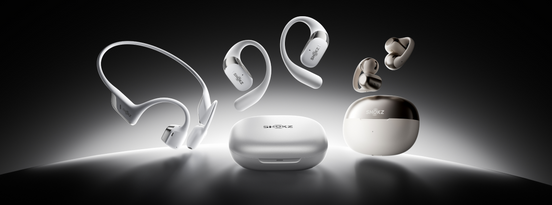
Shokz OpenDots 2 is designed as a flagship open-ear clip-on earbud. Instead of sealing the ear canal or wrapping around the same area as your glasses arms, it clips onto the ear and keeps the ear open. For glasses wearers, this matters because your frames can stay in their usual position while the earbuds sit separately on the ear, reducing the feeling of too much hardware competing for the same space.


- Comfort is also a key reason to consider OpenDots 2 when looking for the best earbuds for glasses wearers. Each earbud weighs 6.4g ± 0.2g, and the soft, contoured silicone is designed to support the ear while keeping the earbud thin and lightweight. The flexible JointArc™ design adapts naturally to a wide range of ear shapes and sizes, helping the earbuds stay stable without relying on a tight in-ear seal. That makes them a practical option for long listening sessions, especially if you switch between glasses, sunglasses, or reading glasses during the day.
- The open-ear design also helps with situational awareness. When you are commuting, walking outside, or working in an office, you can listen to music, podcasts, or calls while still staying more aware of what is happening around you. This is especially useful for glasses wearers who want earbuds that feel less enclosed and less intrusive than traditional in-ear or over-ear designs.
- OpenDots 2 also focuses on sound quality without asking you to block your ears. It uses Shokz Bassphere™ 2.0, with dual drivers working together, and upgraded Dolby Audio for a richer, more spacious listening experience. This gives you a stronger audio experience while keeping the open-ear comfort that makes clip-on earbuds appealing for people who wear glasses.
- For daily use, battery life is another practical advantage. OpenDots 2 offers up to 10 hours of music playback on a single charge and up to 40 hours with the charging case. A 5-minute quick charge provides up to 2 hours of music playback, and the case supports Qi-certified wireless charging. The earbuds are also rated IP57 water-resistant, while the charging case is rated IP54, making them suitable for everyday sweat, splashes, and changing UK weather.
OpenDots 2 is not just a list of upgraded features. For people choosing glasses with earbuds, its value is in how those features work together: a lightweight clip-on fit, open-ear comfort, stable wear, clear calls with 3 mics, precise dual controls, and enough battery life for a full day of listening. If regular earbuds feel awkward with your frames, OpenDots 2 gives you a more glasses-friendly way to listen without giving up everyday audio performance.
Final Thoughts
At the end of the day, wearing glasses shouldn’t be a reason to settle for rubbish audio or a headache by 3 PM. Clip-on earbuds basically fix that age-old battle between your frames and your headphones by just... using the space that was already there. As long as you keep an eye out for flexible hooks, a lightweight build, and a grip that isn't going to pinch your ears red, you’ll be fine. It’s all about finding that kit that lets your specs and your music live together without the constant faff.
The Shokz OpenDots 2 is a proper example of what happens when someone actually bothers to design for people like us. It stops the daily struggle of constantly nudging your glasses back into place or messing with your earbuds. Whether you’re on a packed commute, at your desk, or out for a run, it just works. You can finally stop worrying about the hardware in your head and just get on with your day—which is exactly how it should be.
Frequently Asked Questions
Do clip earbuds work with thick frame glasses?
They definitely can, but you’ve got to be smart about where you place them. The trick is to find the best clip-on earbuds with a slimmer profile that can sit a bit further forward on your ear. That way, they aren't constantly bumping into the thick acetate arms of your specs. You basically want to avoid anything that tries to stack too much hardware right where your glasses hinge.
Can I wear them all day without pain?
Comfort depends on both weight and fit. If clip-on earbuds feel too tight, they can start to pinch after a while, so a lightweight, flexible design matters. Shokz OpenDots 2 weighs 6.4g ± 0.2g per earbud and uses contoured silicone with a flexible JointArc™ design to help it sit securely and comfortably across different ear shapes. Make sure the clip rests naturally on your ear rather than squeezing too hard; if you feel pressure building, adjust the position slightly before wearing them for longer stretches.
Will they leak sound in a quiet office?
Open-ear designs aren't going to be as silent as earplugs, but the tech is miles better than it used to be. Most decent ones use directional audio to beam the sound straight into your ear canal. If you’re at a sensible volume, someone sitting a metre away probably won't have a clue what you're listening to.
What should I do if one ear feels tighter than the other?
Most people’s ears aren't perfectly symmetrical, so it’s a common one. If one side feels a bit tight, just give the hook a gentle bend outwards to ease things off. If the material isn't adjustable, give them a few days to "bed in" and conform to your shape. If they’re still digging in after a week, it’s probably just not the right fit for your anatomy.
Are Shokz OpenDots 2 good for wearing with glasses?
Yes, OpenDots 2 can be a strong option if you want glasses with earbuds that do not compete for the same space behind your ears. Its open-ear clip-on design sits on the ear rather than sealing the ear canal or pressing over your frames. The lightweight build, contoured silicone, and flexible JointArc™ design also help it stay comfortable and stable for different ear shapes and sizes.