




-
How Do Earbuds Work and Affect Your Ears?
-
How to Use Earbuds Safely for Everyday Hearing Protection
-
Why Open-Ear Earbuds Are Better for Ear Health
-
Simple Hygiene Habits to Prevent Infection
-
Conclusion
-
Frequently Asked Questions
You'd be hard-pressed to find someone in the UK without a pair of earbuds these days. They are life-savers for calls and music on the go. But using them too loudly or too often is a real problem for your ears later on. We all need to know exactly how earbuds work and why safe listening matters so much.
Here's the key: This guide is straightforward, giving you the quick, practical tips you need to listen safely every day and protect your long-term hearing.
Part 1. How Do Earbuds Work and Affect Your Ears?
To listen safely, you need to understand one thing: how do earbuds work? They fire sound directly into your ear canal. This gives you clear audio, even when the volume is low. But here’s the problem: that closeness means your eardrum gets blasted by highly focused sound waves. Turn up the volume, and you risk real damage. Knowing this is step one for choosing safe listening habits.
Tiny Speakers Close to Your Eardrum
Earbuds use a small driver right next to your eardrum. It’s great for audio detail, but it dramatically amplifies sound intensity. This is fantastic for low volume, but awful if you keep cranking the sound up for hours. The strain on your hearing shoots up fast.
The Impact of Loud Sound and Long Listening Time
Loud volume for long periods is the main risk. This causes issues like ringing (tinnitus), temporary loss, or permanent damage. Constantly boosting the volume to block noise on the Tube just makes it worse. Stick to safe limits. Most new earbuds now include features to help control sound exposure.
Signs Your Ears Need a Break
Listen to your body. Discomfort, ringing, muffled hearing, or fatigue means stop immediately. Take short breaks every hour, turn the sound down, or try open-ear designs. Catching these warning signs early is crucial for preventing long-term damage.

Part 2. How to Use Earbuds Safely for Everyday Hearing Protection
Safe listening is much more than just hitting the volume button. Protecting your hearing every day also depends on things like how you wear them, the settings on your phone, and being aware of your surroundings.
Getting the Right Fit
If the fit is poor, you'll naturally turn the volume up, which should be avoided. A secure fit gives you better sound quality and means you don’t need to boost the volume. Take time to try different tip sizes and adjust the angle. A good fit keeps them secure when you’re moving, avoiding irritation in your ear canal.
The "60/60 Rule": Volume and Time Limits
This rule is a lifesaver: listen at no more than 60% of maximum volume for a maximum of 60 minutes at a time. Taking a break every hour lets your auditory system recover. This simple habit cuts down on fatigue and the risk of long-term damage.
How to Enable "Earbuds Safety" Settings on Your Phone
Your phone can help protect you. Most modern smartphones have safety features that alert you when volume is too high or automatically limit the maximum sound output. Make sure you switch these settings on. Some phones even log your listening habits, which is a great way to track your total exposure over time.
Using Earbuds in Noisy Places
When you're dealing with noisy places like a busy high street or a loud office, you have two good options. Either use Active Noise Cancellation (ANC) earbuds to intelligently filter out background noise, or choose open-ear options to hear your audio clearly while maintaining situational awareness. Both options let you hear comfortably without reaching for the volume button.
Part 3. Why Open-Ear Earbuds Are Better for Ear Health
People are loving open-ear designs more and more, and for good reason. They are spot-on for safety, comfort, and keeping audio clear. If you commute daily, work in a busy office, or spend time outdoors in the UK, these are a top choice.
What Are Open-Ear Earbuds?
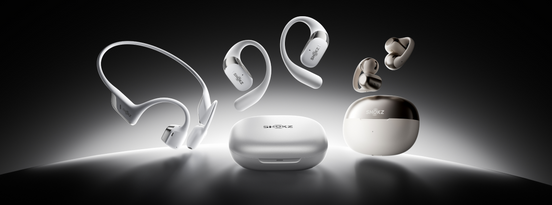
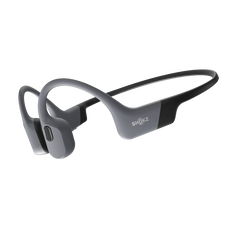
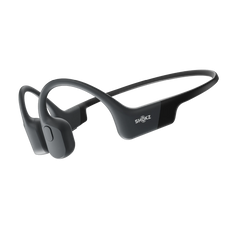
It's simple: they don't plug up your ear canal. They beam sound through bone conduction or little external speakers. The massive benefit? You get your audio while keeping 100% awareness of your surroundings. Plus, they stop pressure from building up and let your ears breathe. Much better than those bulky traditional models. If you want to dive deeper into what open-ear earbuds are, check out Everything You Need to Know About Open-Ear Headphones.
The Health and Safety Benefits
This is the best part. Open-ear models completely stop that inner-ear pressure problem. They seriously reduce your risk of long-term hearing issues because you don't need to blast the volume. They are perfect for anyone who needs to hear traffic, those Tube announcements, or their workmates while enjoying music. It's the best way to combine safety with excellent sound for all-day use.
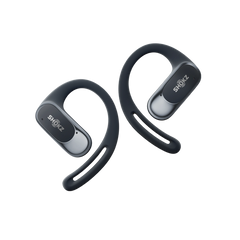
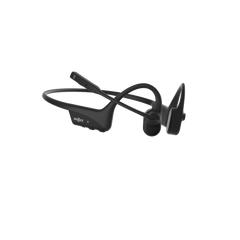
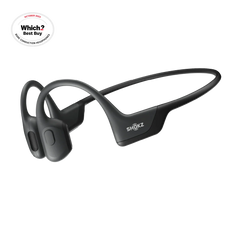
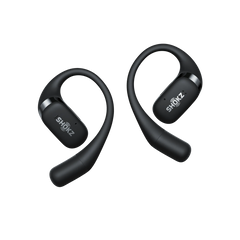
Shokz OpenFit Pro
If you're looking for the ideal all-day earbud for the UK, the OpenFit Pro is a game-changer. It perfectly balances safe, open-ear listening with genuinely high-quality audio. This is the smartest choice for anyone who commutes, works, or trains outdoors.


Key Features:
- Open-Ear Design for Ear Health: Keeps ears ventilated and reduces pressure on the eardrum. It helps prevent long-term hearing strain during extended use.
- Lightweight and Comfortable Fit: Ergonomic design ensures comfort whether commuting, cycling, or moving outdoors.
- AI-Powered Call Clarity: Four beamforming mics filter background noise with AI. Ensures clear calls in noisy stations or offices.
- Physical Controls for Safe Operation: Simple buttons let you adjust volume, tracks, and calls without touching your phone. Supports safer, more mindful listening on the move.
- Long Battery Life: Up to 12 hours of listening on a single charge, 50 hours total with the charging case, up to 6 hours with noise reduction active, and a 10-minute quick charge gives 4 hours of playback.
Part 4. Simple Hygiene Habits to Prevent Infection
Regular cleaning and maintenance of earbuds are essential for ear health. Earwax and bacteria can accumulate on tips, potentially causing infections if neglected.
How to Clean Your Earbuds Properly
Use a soft, dry cloth or a cotton swab to clean the silicone tips and the outer surfaces. Crucially: never use liquids on non-waterproof earbuds. Cleaning them just once a week is usually enough to stop that buildup and keep your listening hygienic.
When to Replace Your Ear Tips
You should swap out your silicone tips when they start looking worn, change colour, or stop sealing properly. Good earbuds, like the Shokz OpenFit Pro, offer replaceable tips, which are great for comfort, sound quality, and hygiene. Regular replacement is a simple way to prevent irritation and guarantee you always get the best sound.
Conclusion
Learning how to use earbuds safely really comes down to three things: understanding how do earbuds work, monitoring the volume and time limits, and choosing a design that suits your life. Open-ear models, like the Shokz OpenFit Pro, are a brilliant option here. They perfectly combine safety, comfort, and clear audio, making them a very strong choice for UK users. With the right fit, proper hygiene, and responsible listening habits, you can easily protect your ears while enjoying all your music, calls, and podcasts every single day.
Frequently Asked Questions
1. What Is the Most Comfortable Earbud for Small Ears?
The best choice is simple: always look for the open-ear designs. You see, they don't press into your canal at all. This makes featherlight models, like the Shokz OpenFit Pro, the absolute best option for all-day comfort, no matter how small your ears are.
2. How Long Is It Safe to Use Earbuds Each Day?
The easiest guide to follow is the 60/60 Rule: aim for no more than 60% of the maximum volume, and listen for just 60 minutes at a time. It’s important to take regular breaks after each session to let your auditory system recover.
3. Can Sleeping with Earbuds Damage My Ears?
Yes, they can definitely cause harm. It’s the pressure! In-ear buds create painful pressure when you lie on them, so you should switch to the open-ear type instead. They sit outside the canal and that makes them much safer for resting.