





Stuck in a bit of a rut with your marathon training regimen? You’re putting in the miles week after week, yet race day is looming and your long run times just aren't shifting. The issue usually isn't your grit or your total weekly mileage. It’s that most marathon exercise plans treat every long run the same way, missing the subtle tweaks that separate those who just finish from those who really fly.
In this guide, we’re breaking down the "level up" approach to a 16 week marathon training plan. You’ll learn how to flip standard long runs into strategic sessions that build genuine race-day speed. Beyond the running, we’ll dive into nutrition, recovery, injury prevention, and the best earbuds for running to make those endless miles bearable. By the time you're done reading, you’ll have a full-scale system to get you ready to go.
Part 1. Why Your Current Marathon Training Regimen Isn't Working
If you’ve hit a bit of a plateau, it’s usually because your marathon training regimen has become too predictable. It’s a common trap to fall into a comfortable rhythm that stops actually pushing your body to adapt.
Trotting out the exact same long run does next to nothing for your fatigue resistance. You end up with a vague sense of pace, and your legs never actually learn how to kick on when things get tough late in the race.
Another massive blunder is blindly following a generic marathon exercise plan without tweaking it for your own life—ignoring your work stress, how fast you actually recover, or those old injuries that tend to flare up when the mileage climbs.
A sharper approach keeps the long run as the anchor of your week but gives every single session a proper job to do.
Part 2. The "Level Up" Strategy: 3 Advanced Long Run Workouts
Transforming your long runs requires a specific purpose behind every mile. These three workout types inject the necessary variety while building race-specific fitness.
1. The Fast Finish Long Run
Begin at a comfortable aerobic pace for the bulk of your mileage. Over the final 3–5 miles, gradually increase your speed to goal marathon pace (GMP) or even slightly faster. This specifically teaches your body how to sustain effort when glycogen depletes and fatigue begins to accumulate.
Fast finish runs effectively simulate the sensation of passing struggling competitors late in a race. Mentally, they build that vital confidence that you can maintain your form. Physiologically, they train your muscles to recruit fresh fibres after hours of work.
2. The Surge Long Run
This involves inserting short, controlled speed bursts throughout a longer effort. For instance, you might run 14 miles at an easy pace but include six 90-second surges at tempo pace scattered across the middle 10 miles. Always recover back to your easy pace between these surges.
Surge sessions prepare you for actual race-day variables, such as bridging gaps to other runners, covering moves, or staying with pacing groups. They also significantly improve your ability to recover at an aerobic pace after hard efforts.
3. The Progressive Long Run
Divide your run into thirds, making each segment slightly faster than the last. The first third stays at an easy pace, the middle third moves to a steady aerobic effort, and the final third involves approaching or hitting marathon pace. This structure mirrors an intelligent racing strategy and forces disciplined pacing from the very start.
Progressive runs teach you restraint when you're fresh and aggression when you're tired. They build mental toughness by requiring focus across different effort zones. It’s ideal to schedule these during your peak training weeks when fitness peaks and fatigue management becomes vital.

Part 3. Your 16 Week Marathon Training Plan Step-by-Step Guide
This marathon training plan is built to move you systematically from those early base miles right through to race-day sharpness. Each phase has a very specific job to do, so resist the urge to faff around with the order. Trust the progression and, more importantly, trust the process.
1. Weeks 1-4: Base Building and Aerobic Foundation
It's all about easy aerobic miles here. Your long runs should climb from 10 miles to 14 miles, kept at a pace where you can still have a proper chat. Midweek stuff stays short, 4 to 6 miles is plenty, but you need to stay consistent across your four running days. No heroics, no tempo efforts. Just get the miles in the bank.
This bit is vital for building mitochondrial density and getting your capillaries sorted. It’s about letting your cardiovascular system and your joints toughen up gradually. If you try to rush the intensity now, you're just asking for an injury or a "shallow" kind of fitness that'll disappear when the real pressure starts.
- Week 1: Long run 10 miles, total volume 25 miles.
- Week 2: Long run 11 miles, total volume 27 miles.
- Week 3: Long run 13 miles, total volume 30 miles.
- Week 4 (Recovery week): Long run 14 miles, total volume 26 miles.
2. Weeks 5-10: Introducing Intensity
Now we start stretching the long runs out to 18 miles and bringing in some structure. You’ll want to alternate between fast finish runs and surge sessions every other weekend. Midweek, it’s time to add a tempo run (about 20–30 minutes at a "comfortably hard" effort) and an interval session like 6×800m or 5×1000m at your 5K pace.
- Week 5 (Fast Finish): Last 3 miles at GMP.
- Week 6: Standard long run, add midweek tempo.
- Week 7 (Surge Session): 16 miles with 5×90 seconds hard.
- Week 8 (Recovery Week): Long run 14 miles easy.
- Week 9 (Fast Finish): Last 4 miles at GMP.
- Week 10: Progressive long run introduction, 18 miles divided into thirds.
This phase is where you sharpen your lactate threshold and VO2 max. You're teaching your body to shift metabolic waste while maintaining a decent clip. Just remember that recovery is now as important as the graft itself. Take that weekly rest day, ideally after your toughest session.
3. Weeks 11-14: Peak Training Block
This is the "hurt locker" phase with the highest training stress. Long runs hit the 20–22 mile mark, and you’ve still got to keep those midweek quality sessions going.
- Week 11: Progressive long run 20 miles.
- Week 12 (Fast Finish): 19 miles, last 5 miles at GMP.
- Week 13 (Surge Session): Peak mileage week, 22 miles with 8×90 seconds.
- Week 14 (Recovery Week): Long run 16 miles easy.
You’re going to feel proper tired during these weeks. Fatigue is part of the plan, so make sleep your top priority and get your nutrition spot on. The goal isn't to feel "fresh" right now; it's about safely overloading your system. Have faith that the taper will let all that hard work actually show up on race day.
4. Weeks 15-16: The Taper and Recovery
We’re dropping the mileage by about 40 per cent, but keeping just enough intensity so you don't feel sluggish.
- Week 15: Long run 12 miles with last 3 at GMP, one short tempo midweek.
- Week 16 (Recovery Week): Two easy 4-mile runs early on, total rest 2 days before the race, and a quick 20-minute shakeout jog the day before.
Tapering is a head game. Your legs will start feeling bouncy and you’ll want to go for a blast. Don't. The work is already banked. Extra miles now will only tire you out without adding any extra fitness. Use the time to sleep, eat well, and mentally rehearse your race.
Show up to the start line fresh, fit, and ready to go.
Part 4. Nutrition and Hydration: Fuelling Your Marathon Training
What you eat is basically the fuel for the engine. If you don’t get the nutrition sorted, you’re not just going to struggle through the miles, you’ll find it a proper graft to bounce back between your sessions.
1. What to Eat Before, During, and After Long Runs
When you’re preparing to head out, you want to grab about 250 calories of carbs. A bowl of porridge with a banana is a legendary choice. The main thing is to steer clear of anything fatty or packed with protein, or it’ll sit like a lead weight in your gut.
For those runs that push past the 75-minute mark, you’ve got to keep the tank topped up. Aim for about 50 grams of carbs every single hour. Whether you fancy gels or chews, you’ve got to practice this during your marathon training runs.
Once you’re back home, try to get 20g of protein and some fresh carbs within half an hour. Chocolate milk is a bit of a classic "hack" here, but a chicken sandwich or a protein shake with fruit does the job too.
2. Staying Hydrated During Marathon Training
Being even a tiny bit dehydrated can absolutely wreck your run. Losing as little as 2 per cent of your body weight through sweat is enough to make everything feel twice as hard, and it won't do your recovery any favours either.
Most of the time, you can just drink when you’re thirsty and keep an eye on your urine. If it’s not looking clear, you’re likely not drinking enough. On long run days, make sure you're sipping water in the hour before you set off. Once you’ve been out for over an hour, try for about 200ml every 20 minutes or so. If you’re pushing past the 90-minute point, it’s worth switching to electrolytes to replace the salts you’re sweating out.

Part 5. Injury Prevention and Recovery Strategies for Marathon Training
Managing the load and actually listening to your body is what keeps a training block from turning into a total washout.
1. Common Marathon Injuries and How to Avoid Them
Things like runner’s knee or Achilles trouble usually start because your glutes and hips aren't doing their fair share. You’ve got to get some single-leg work into your week—Bulgarian split squats or step-ups are perfect for this. And if you’ve sat at a desk all day, make sure you're stretching those hip flexors out daily.
Keep an eye on your trainers, too. Once you’ve done 500 kilometres, the cushioning is usually shot. Swapping between two pairs is a smart move as it gives the foam a chance to bounce back. Most of all, don’t ignore the warning signs. If a pain is getting worse while you're out, stop. It’s much better to miss a few days now than be stuck on the sofa for a month.
2. Recovery Tips to Keep You Strong
Sleep is comfortably the best recovery tool you’ve got. Try and get nine hours if you can; it’s the only way to let your hormones and brain actually reset.
A bit of active recovery helps, too. A steady 20-minute jog the day after a hard session helps clear the legs without adding more stress. Foam rolling or a massage can also help shift that muscle tension. Spend two minutes on the main areas, but stay well away from your joints. The main thing? Keep your easy days easy. Don't be tempted to push the pace; these runs are only there to get the blood moving.
Part 6. Essential Gear to Support Your Marathon Exercise Plan
Having the right kit won’t run the miles for you, but it’ll certainly stop them from being a misery. Investing in a few key items now will pay massive dividends once you’re deep into those peak training weeks.
1. Running Shoes and Socks That Prevent Pain and Blisters
Don’t just buy what looks good online; get yourself to a specialist running shop for a proper gait analysis. They’ll look at your strike pattern and arch height to make sure you’re in the right trainers. It’s a smart move to rotate between two pairs, too. It gives the foam time to bounce back and keeps your legs from getting too used to one specific loading pattern.
Keep an eye on the odometer and swap your shoes every 500 miles or so. Once the cushioning goes, you’re looking at a fast track to shin splints or knee pain. Also, ditch the cotton socks. Get some proper technical ones made from merino wool or synthetics to wick away sweat; they’re the only real way to dodge nasty blisters.
2. Hydration and Fuel Gear for Long Runs and Race Day
A handheld bottle is fine for a quick loop, but once you’re pushing past 90 minutes, a hydration vest is a much better shout for distributing the weight. Use your long runs to test your setup, you want to make sure you can grab a gel or a chew without fumbling around and losing your rhythm mid-race.
3. Running Earbuds for Long Runs, Comfort, and Awareness
The right playlist can turn a tedious 20-miler into something manageable, but standard buds are often more trouble than they’re worth, falling out the moment you sweat or blocking out the sound of traffic.
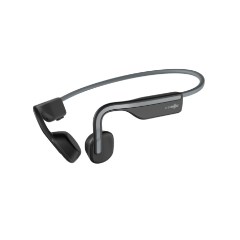
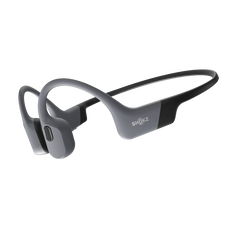
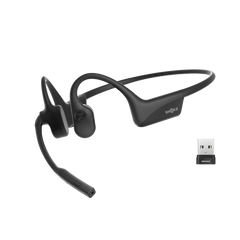
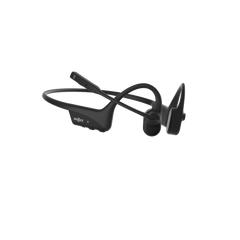
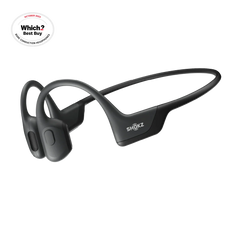
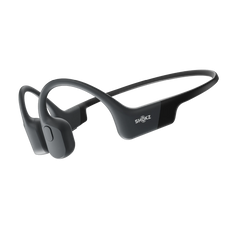
This is where open-ear tech really shines, and the Shokz OpenRun Pro 2 is arguably the best earbuds for running on the market right now. If you want the deeper reasoning behind it, here’s why marathon runners trust bone conduction wireless headphones. Because they don’t plug your ears, you get crisp sound while staying totally aware of cyclists, cars, or other runners coming up behind you.
The titanium frame stays locked in place through wind and rain, and at just 30.3 grams, you’ll honestly forget you’re wearing them. With a 12-hour battery life, they’ll last the full distance even on your slowest days. Here’s why they’re such a solid bit of kit for a marathoner:
- IP55 Water Resistance: Built to handle the unpredictable British weather and heavy sweat without any crackling.
- Dual Noise-Reducing Mics: Perfect if you need to take a quick call or check in with home without stopping.
- Bluetooth 5.3 & Multipoint Pairing: Connects to both your phone and your running watch at the same time.
- Two Frame Sizes: Comes in standard and mini, so you get a snug fit without any annoying bounce.
- Physical Buttons: Easy to use with sweaty hands, so you can skip tracks or change the volume without breaking your stride.


Practice with your race-day playlist during your long efforts. Pick mellow tracks for the start, uptempo beats for the middle grind, and your absolute favourite anthems for that final push. Just keep the volume sensible so you can still hear what’s happening around you.
Conclusion
A successful marathon training plan is about much more than just ticking off miles. It’s the structured sessions that build your speed, the fuel that keeps you moving, and the discipline to rest when your body’s had enough. This 16-week framework is your roadmap from those first base miles right through to a sharp, refreshed taper.
Your kit matters just as much when you're out there for hours. The Shokz OpenRun Pro 2 is a proper game-changer for long runs, giving you the battery life and open-ear awareness you need to stay safe and motivated. Get the prep right, grab the right gear, and you’ll arrive at the start line ready to show exactly what you’re capable of.
Frequently Asked Questions About Marathon Exercise Plan
1. Is it possible to train for a marathon in 16 weeks?
It depends on your starting point. If you’re already doing about 20 or 30 miles a week, then 16 weeks is plenty. Most people who’ve just finished a half marathon training plan find it’s the perfect amount of time to step up. But honestly, if you're starting from the sofa, 16 weeks is going to be a massive ask. Don't skip the base building—your knees won't thank you for it.
2. What date is the London Marathon in 2026?
The date you need to mark is Sunday, 26 April 2026. It’s actually timed perfectly for this plan, as you’ll be kicking off your marathon training regimen right at the start of January. You’ll have to endure the dark, freezing winter miles, but you’ll be hitting your peak fitness just as the spring weather arrives. Just count back 16 weeks from the big day and you're sorted.
3. What is the 10-10-10 rule for marathon?
It’s a mental trick to stop you from blowing up early. You split the race into three parts:
- The first 10 miles (The Head): Stay disciplined. Don't let the London crowds trick you into starting too fast.
- The middle 10 miles (The Training): This is where you trust the miles you've already banked. Keep it steady.
- The final 10k (The Heart): This is where it gets tough. Now’s the time to dig deep and use every bit of grit you’ve got left.
4. How do I calculate my Goal Marathon Pace (GMP)?
The most reliable method is using a recent half-marathon finish time as a benchmark. Multiply that time by 2.1 to find a realistic marathon potential. For example, a 1:45 half-marathon (105 minutes) suggests a 3:40 marathon (220 minutes). This factor accounts for the inevitable aerobic decay over the final 10 miles. For a more granular breakdown, a pace calculator can provide specific splits per mile.
5. Should I listen to music during the hard segments?
Music is a proper lifesaver on those long, lonely slogs, but some runners find it a bit distracting when they're trying to time their breathing. This is why the Shokz OpenRun Pro 2 is such a win. Because they don't plug your ears, you can have your tunes going but still hear your coach shouting or a car coming. You get the motivation without losing your situational awareness.