





Standing in front of a wall of headphones or scrolling through yet another "best headphones" list can leave you more confused than when you started. Do you go for the plush, noise-blocking comfort of over-ear cups, or the light, breezy freedom of open-ear headphones? Besides being a style choice for some, it genuinely changes how you hear the world, how your ears feel after eight hours of wear. It even affects how safe you are on your evening run.
If you're Googling open-ear vs over-ear headphones and trying to make sense of it all, you're in the right place. Let's discuss what each design actually does, where they shine, and which one deserves a spot in your everyday kit.
What Are Open-Ear and Over-Ear Headphones?
Before comparing specs, it helps to dive into what's actually going on with your ears in each case.
Over-Ear Headphones
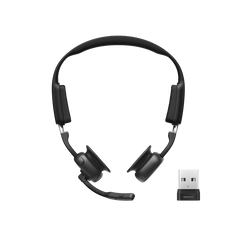
Over-ear headphones use large cushioned cups that fully enclose your ear and seal it off from the outside world. Sound travels through the air inside the cup and straight into your ear canal, which is why they tend to deliver deep, room-filling bass and strong passive noise isolation. Great for a quiet flight or a focused studio session, less great for hearing a car indicator or a colleague calling your name.
Open-Ear Headphones
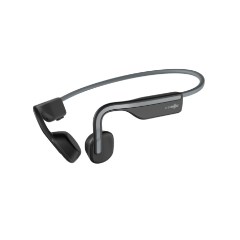
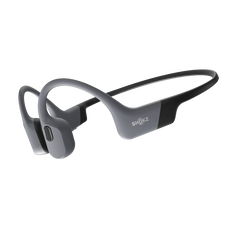
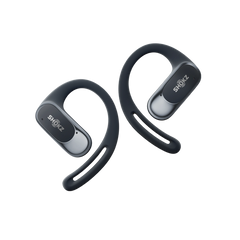
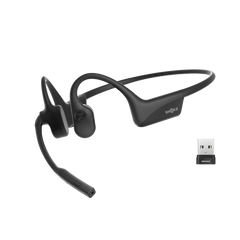
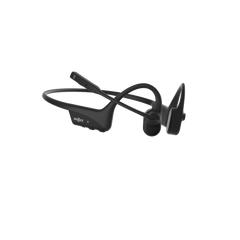
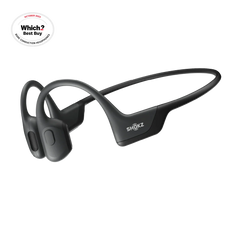
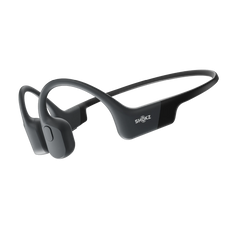
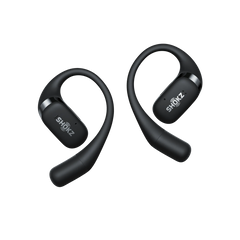
Open-ear headphones take the opposite approach. Instead of sealing your ear canal, they sit just outside or beside it, and leave your ears completely uncovered. Some open-ear models, like Shokz's OpenRun Pro 2, use bone conduction technology. It means they send sound through gentle vibrations along your cheekbones rather than through the air. Others, like the OpenFit 2+ and OpenDots ONE, use an air conduction open-ear design, and they direct sound into the ear canal from just outside it without ever blocking it.
Open-Ear vs Over-Ear: A Head-to-Head Feature Comparison
Here's how the two designs stack up on the things that actually matter day to day.
Comfort and Long-Term Wear
Over-ear cups can feel cosy at first, but the padding pressing against your head and ears often turns into a genuine ache after a couple of hours, especially in warm weather or if you wear glasses. Open-ear headphones sit lightly against or around the ear rather than on it, so there's no clamping pressure. Many people find they simply forget they're wearing them.
Situational Awareness
This is where open-ear headphones really pull ahead. Because your ear canal stays completely open, you can hear approaching cyclists, announcements at the station, or a child asking for help, all while your audio keeps playing. Over-ear headphones, particularly with active noise cancellation switched on, can cut you off from important sounds around you.

Sound Quality and Isolation
Over-ear headphones generally win on pure isolation and bass depth, thanks to the sealed cup trapping sound close to your ear. Open-ear headphones have made considerable strides here, too. Air conduction models like OpenFit 2+ use dual drivers and Dolby Audio to deliver surprisingly rich, detailed sound, while bone conduction models like OpenRun Pro 2 focus on clarity for calls, podcasts, and workout playlists rather than club-level bass.
Sweat, Water, and Workout Durability
Over-ear headphones aren't designed with sweat or rain in mind, and the padded cups can trap heat and moisture during exercise. Open-ear sports headphones are usually built for exactly this scenario, with sweat and splash resistance rated for intense training.
Portability
Over-ear headphones fold or don't fold, but either way they take up real space in a bag. Open-ear earbuds and clip-ons are compact, lightweight, and easy to pocket or clip onto a strap.
Calls and Everyday Use
Because open-ear designs don't seal your ear, you naturally hear your own voice better, which tends to make calls feel more relaxed and less shouty. Combined with noise-cancelling microphones, open-ear headphones have become a genuinely solid choice for hybrid workers.
| Feature | Open-Ear Headphones | Over-Ear Headphones |
|---|---|---|
| Comfort for long wear | Lightweight, no clamping pressure | Can feel warm or heavy after a few hours |
| Situational awareness | Excellent, ears stay uncovered | Limited, especially with ANC on |
| Bass and isolation | Good and improving, not class-leading | Deep bass, strong passive isolation |
| Sweat and water resistance | Built for workouts and rain | Not designed for sweat or splashes |
| Portability | Compact, easy to pocket or clip on | Bulkier, takes up bag space |
| Best for | Running, commuting, hybrid work, all-day wear | Flights, studio work, fully blocking out noise |
Which Design Best Matches Your Daily Routine and Lifestyle?
The right choice really comes down to how and where you spend your day. Here's a quick breakdown by lifestyle:
- Runners, cyclists, and outdoor exercisers: If you train on trails, roads, or pavements, situational awareness is essential for safety. Open-ear headphones let you hear traffic and other people while still enjoying your playlist.
- Commuters: Walking to work, cycling, or navigating a busy station platform all require you to stay alert to your surroundings while commuting. Lightweight open-ear earbuds mean you can hear announcements and approaching traffic without constantly pulling one earbud out.
- Hybrid and office workers: Back-to-back calls, walking between meeting rooms, and the occasional colleague popping by your desk all call for headphones you can wear comfortably for hours without losing touch with the room.
- Everyday self-care and downtime: Long wear comfort matters just as much when you're relaxing at home, doing chores, or unwinding with a podcast before bed.
- Studio work, flights, or fully immersive listening: If your main goal is blocking out the world entirely, whether that's a noisy office, a long-haul flight, or focused studio work, over-ear headphones with active noise cancellation are still hard to beat.

Discover the Shokz Open-Ear Range: Which Model Fits Your Needs?
Not all open-ear headphones are built the same, and Shokz offers a few different takes depending on how you like to listen.
OpenRun Pro 2, our flagship bone conduction sports headphones, are built for runners and gym-goers who want a secure, sweat-proof fit and up to 12 hours of playback. The nickel-titanium frame wraps securely around your head, so they stay put through intervals, sprints, and everything in between, while your ears stay completely free to hear the world around you.


OpenDots 2 takes a different approach with a clip-on design that sits neatly on your ear rather than inside it. With Shokz JointArc™ for a snug, secure fit and up to 40 hours of combined playtime, it's a great pick if you want something discreet enough for everyday wear, with detail-rich sound and Dolby Audio on top.


OpenFit 2+ is our premium open-ear true wireless earbud, built for anyone who wants richer, fuller sound without giving up awareness. With Shokz DualBoost and Dolby Audio, redesigned ear hooks for comfort, and up to 48 hours of playback with the charging case, it's a strong all-rounder for commuting, work, and everyday listening.


Open-Ear or Over-Ear
There's no single "best" design here, only the one that best fits how you actually live and move. If you spend your days blocking out the world on flights or in the studio, over-ear headphones still do that job brilliantly. But if you're running, commuting, working hybrid hours, or simply want to wear your headphones all day without your ears complaining, open-ear is well worth a proper look.
If that sounds like you, browse the Shokz open-ear range and find the model that matches how you train, work, and unwind.
Common Questions About Open-Ear and Over-Ear Headphones
Is open-ear or over-ear better for running?
For most runners, open-ear headphones are the safer, more comfortable choice. They stay secure during movement, don't trap heat and sweat the way padded cups can, and let you hear traffic, other runners, and your surroundings the whole time.
Do open-ear headphones sound as good as over-ear headphones?
It depends on what you're after. Over-ear headphones still tend to offer deeper bass and stronger isolation. Modern open-ear designs, especially air conduction models like OpenFit 2+ with features like Dolby Audio, have closed the gap significantly and deliver genuinely rich, clear sound for everyday listening.
Are open-ear headphones safe to wear while cycling or walking outside?
Yes, that's one of their biggest advantages. Because your ear canal stays uncovered, you can hear approaching vehicles, cyclists, or people around you while still listening to your audio, which makes open-ear headphones a popular choice for anyone exercising or commuting outdoors.
Can I wear open-ear headphones all day comfortably?
Generally, yes. Without cups pressing against your head or tips sealed inside your ear canal, open-ear headphones tend to feel lighter over long stretches, which is why many people choose them for work calls, chores, and downtime as well as workouts.