




Searching for the best sound quality headphones? Does your current pair sound thin or muddy on that one track you love so much? What the specs and labels tell you often falls apart during real use.
This guide explains which technical features actually affect audio performance, how design choices impact listening, and what to look for when choosing headphones for best sound quality that deliver the clear, balanced audio you actually want to hear. It’s about cutting through the fluff to find the best headphones for sound quality that won’t ever leave your music sounding like a flat mess.
Part 1. What Determines the Sound Quality of Headphones
Technical components work together to create what you hear. These elements separate best quality sounding headphones from false marketing promises.
1. Driver Type and Tuning Quality
Drivers are essentially the engines converting electrical signals into sound waves. You’ve got dynamic drivers using moving coils, whilst balanced armatures rely on tiny reeds. They have different jobs: dynamics usually do the heavy lifting for bass, whereas armatures are much sharper at the high end.
A solid 10mm driver will beat a shoddy 15mm unit any day of the week. Proper calibration across the frequency range is what actually matters. Cheap kit just boosts the bass artificially, which leaves the mids and highs sounding like a muddy mess. Real quality tuning keeps vocals crisp and ensures the bass is punchy without any of that nasty bloat.
2. Bluetooth Codec Support and Sound Clarity
Wireless tech involves compressing audio to get it through the air. SBC gets the job done, but it’s basic. If you want to keep the details, you need codecs like aptX or LDAC. Just remember, both your phone and your headphones have to support the same tech for it to actually work.
LDAC can shift nearly three times the data that SBC handles. You really notice the difference in complex tracks where different instruments need their own space. Standard codecs tend to smudge these layers together, but high-bitrate transmission keeps the soundstage tidy.
3. Frequency Response, Impedance, and Sensitivity
Human ears only cover 20Hz to 20,000Hz. Any brand claiming a range wider than that is usually just padding the spec sheet for show. Getting a balanced sound within that human range is far more important.
Impedance is just electrical resistance. Most phones or tablets are fine with headphones between 16 and 32 ohms. Sensitivity tells you how much volume you get for your power. High sensitivity models get loud fast, but they can pick up background hiss if you’re using a rubbish amplifier.

Part 2. How Headphone Design Impacts Sound and Experience
Physical construction affects audio quality and comfort during extended listening.
1. Open-Ear vs Closed-Ear: Balancing Awareness and Audio
Closed designs seal the ear canal to block external noise and stop leakage. Bass response always improves with a proper seal, though the trade-off is reduced awareness, making them less ideal for outdoor use. Open-ear designs sit outside the canal, letting ambient sound mix with your music. This gives runners and commuters a safety boost. While bass depth differs from sealed units, modern tech is quickly narrowing that gap.
2. Earbud Fit and Seal for Optimal Bass and Clarity
In-ear performance lives or dies by the seal. Without it, your bass simply vanishes. Most users make the mistake of sticking with the pre-installed tips and never experiment further. A proper seal should feel like a gentle suction.
If the bass feels weak or vocals sound distant, you’ve likely got the wrong tip size. Foam tips often seal better than silicone for tricky ear canals, though they do need replacing more often.
3. Materials and Build Quality Affecting Acoustics
Metal housings provide the rigidity needed to kill off unwanted vibrations. Plastic is cheaper but can colour the sound if the casing flexes too much. Premium kit uses materials specifically chosen to minimise this acoustic interference.
Angled drivers are also a smart move, as they direct sound naturally into the ear canal. Poor positioning just forces sound to bounce around the outer ear, which ruins the clarity.
Part 3. Technology That Enhances Sound Quality and Listening Safety
Modern features add functionality whilst maintaining audio integrity.
1. Open Ear Design to Hear Music and Surroundings
Current open-ear tech delivers clear audio whilst preserving environmental sounds, which is a massive win for active users needing to hear traffic. Rather than sealing the ear canal, these designs project sound via bone conduction or directional speakers sitting near the ear.
Bass performance obviously differs from sealed designs, but clarity remains exceptionally strong in the mid-range where most musical detail actually lives.
2. Noise Filtering AI Whilst Preserving Sound Integrity
Background din often forces users to crank up the volume to dangerous levels. AI noise filtering tackles this differently than traditional cancellation by using selective algorithms to target specific frequencies where noise concentrates. This keeps the music quality intact. Whilst full ANC can sometimes mess with audio through phase interference, intelligent filtering focuses purely on the rubbish sounds you don't want to hear.
3. High-Speed Chips for Stable, Clear Audio
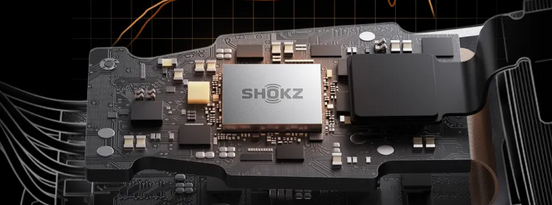
Advanced chips handle the heavy lifting of decoding complex codecs and managing wireless signals without annoying dropouts. Cheap processors often struggle with interference, leading to stutters in crowded city centres.
Low latency is also a big deal for video and gaming. Modern chipsets cut down the lag that plagues standard Bluetooth, ensuring your audio actually stays in sync with what’s happening on screen.

Part 4. Key Features to Look For in High-Quality Headphones
Practical considerations extend beyond pure sound performance.
1. Battery Life, Comfort, and Daily Usability
Extended listening sessions demand comfort that doesn't drop off after an hour. Pressure points are a real nuisance, which is why weight distribution is so vital. Lightweight designs are the best shout for reducing fatigue.
Your battery life should also comfortably outlast your longest journey. Headphones dying mid-commute is a proper nightmare, and while quick charging is a handy backup, having enough raw capacity avoids the problem entirely.
2. EQ and Audio Settings for Personalised Sound
Everyone hears things slightly differently, so adjustable equalisation is a must to compensate for those personal gaps. Most apps offer preset modes as a quick fix, but manual adjustment gives you much finer control.
The cleverest systems tweak the entire curve to keep a natural balance whilst letting you boost specific ranges without making the whole track sound wonky.
3. Accessories That Improve Fit and Reduce Interference
Foam tips generally offer a tighter seal than silicone, though they do lose their bounce over time and need replacing. Some kits also include stabiliser fins to keep things secure if you’re moving about.
A proper case is another essential to stop your gear getting bashed around in a bag. Crushed headphones rarely sound the same once they’ve been bodged back together.
Part 5. Best Headphones for Sound Quality and Safety: Quick Recommendations
The following options are our hand-picked models that put all the aforementioned technologies into real-world performance. They balance audio performance with practical features that target daily usability, to give you the best listening experience possible.
1. Best Open-Ear for Running and Commuting
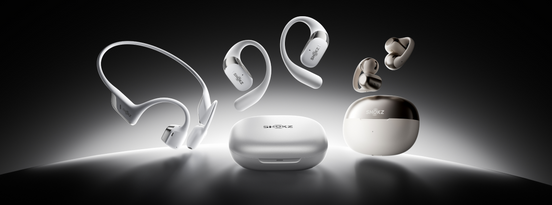
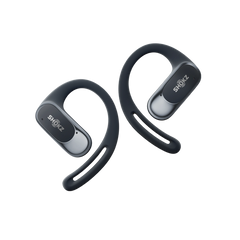
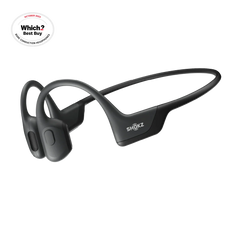
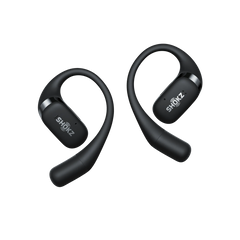
When it involves the best headphones for sound quality, the Shokz OpenFit Pro is a bit of a standout. It blends impressive audio with a clever open-ear setup using their in-house DirectPitch technology. This is a brilliant shout for runners who need to keep an eye on traffic or commuters navigating a busy station whilst enjoying their playlists.
Key features for real-world use:
- DirectPitch Technology: Uses dual 10mm dynamic drivers positioned near the ear canal to create a surprisingly full sound for an open design.
- Shokz SuperBoost™: Delivers smooth highs and deep lows, ensuring the rich details in your tracks have nowhere to hide.
- Optimised for Dolby Atmos: Employs head tracking and spatial audio to make your music feel much more alive and immersive.
- Active Open-Ear Noise Reduction: Lets you enjoy your tunes in bustling streets without losing that vital awareness of your surroundings.
- Shokz Ultra-Soft Silicone™ 2.0: The nickel-titanium ear hooks provide a sort of "invisible" comfort whilst staying rock-solid on your ears.
- 50 Hours of Total Playback: You get 12 hours from a single charge and a massive 50 hours with the case, easily covering a few days of heavy use.


At 12.3 grams per bud, you barely notice them. The sound signature prioritises clarity across vocal ranges but still manages to keep a decent bit of bass punch. Treble detail is particularly clean on acoustic tracks, and busier productions maintain better instrument separation than almost any other open-ear kit on the market.
The balanced tuning avoids those harsh, piercing upper frequencies, and call quality is a winner thanks to dual-mic noise reduction that keeps your voice clear even in a bit of wind.
2. Best In-Ear for Balanced Sound and Awareness
The Jabra Elite 10 Gen 2 is a solid choice that combines in-ear isolation with clever, adjustable awareness. Their semi-open design is a smart touch as it lets you tune exactly how much ambient noise filters in.
You get Spatial Sound processing and top-tier ANC, alongside multipoint connectivity that handles three devices at once. The HearThrough mode is particularly handy for keeping an ear out without constantly faffing with your earbuds.
3. Best for Workouts Where Bass Is a Must
The Beats Powerbeats Pro 2 targets anyone wanting a proper low-end punch during a heavy session. Those secure over-ear hooks are built for aggressive movement whilst the drivers deliver a very bass-forward sound.
It offers reinforced bass response and sweat resistance that’s perfect for the gym, though audiophiles looking for a perfectly neutral sound might find it a bit much and should probably look elsewhere.
Part 6. Easy Tips to Improve Your Listening Experience Today
Small adjustments deliver noticeable improvements without you needing to splash out on new gear.
1. Use EQ to Boost Bass and Clarity
Start with a preset that roughly matches your taste, then move on to subtle tweaks. The golden rule is to avoid extreme boosts; pushing the sliders too far just introduces nasty distortion. You want gentle curves that sound natural rather than sharp spikes that make your music feel artificial.
2. Adjust Tips or Placement for Better Fit and Sound Seal
Don’t just sit there when testing your fit; get moving. Real fit issues only reveal themselves when you're active. A correct tip size should maintain its seal even when you’re talking or turning your head.
If the bass drops out the moment you move your jaw, you haven't found the right match yet.
3. Reduce Wind or Background Noise with Accessories and Settings
In-ear users often rely too much on ANC when they should be focusing on the physical seal first. For open-ear fans, foam windscreens are a proper lifesaver in a breeze. Often, transparency modes actually provide a cleaner outdoor experience than full cancellation, as they don't mess with the audio's natural airy feel.
4. Upgrade Your Source: Switching to Lossless or High-Bitrate Streaming
There’s no point owning a top-tier kit if you’re feeding it low-quality files. Premium streaming tiers offer a massive step up from free versions, and decent headphones will immediately expose the limitations of a low-bitrate stream.
Lossless is where you really hear the original recording’s detail, especially in complex orchestral pieces where every instrument needs its own space.
5. Regular Cleaning: How Earwax and Dust Degrade Driver Performance
Earwax isn't just a hygiene issue; it literally blocks the sound and harbours bacteria. A quick weekly scrub keeps the quality from dipping. Pop the tips off and clear the debris from the mesh screens, but keep liquids well away from the actual drivers.
Don't forget the charging pins either, as a bit of dust there is the main cause of those annoying connection hiccups.
Final Thoughts
Landing the best sound quality headphones isn't about chasing the biggest numbers on a spec sheet. It’s about how driver quality, codec support, and a proper fit actually handle your daily playlist.
Open-ear designs like the Shokz OpenFit Pro are the best shout for anyone needing to stay aware of their surroundings, while sealed options remain the king of pure immersion. At the end of the day, matching your headphones to your actual lifestyle will always beat out a fancy marketing label.
Frequently Asked Questions About Best Sound Quality Headphones
1. What Makes Headphones Have Good Sound Quality?
Balanced frequency response is key. Quality drivers handle bass, mids, and treble without one part drowning out the others. Proper tuning avoids harsh peaks or muddy lows, while solid build quality prevents unwanted resonance during operation.
2. Does Higher Hz Mean Better Audio Quality?
Not really. A range beyond 20Hz-20kHz doesn't improve what you actually hear. You want a balanced graph within this range. Headphones that handle 20Hz-20kHz well will beat any pair claiming 5Hz-40kHz with an uneven response.
3. How Does Open-Ear Design Affect Sound?
It lets ambient noise mix with your music for better safety. Bass feels different since there’s no ear canal seal. Brands like Shokz tune their headphones for best sound quality, delivering rich audio while keeping you aware of your surroundings.
4. How to Maintain Sound Quality Over Time?
Clean tips weekly to stop wax blocking the sound. Use a protective case and keep charging contacts clean. Replace foam tips once they stay compressed, and avoid max volume to prevent driver damage.
5. Does Transparency Mode Affect Audio Performance?
High-quality versions cause almost no loss in sound. This feature simply mixes mic input with your music. However, cheaper modes sometimes add a background hiss or mess with the balance. The Shokz OpenFit Pro uses an open-ear design to provide natural awareness without needing to process sound through microphones, avoiding these quality issues entirely.