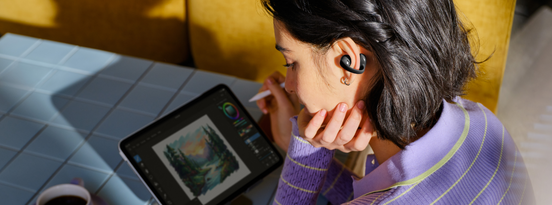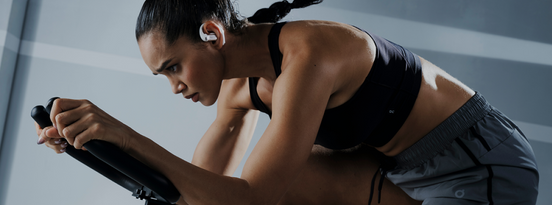






If you wear glasses, you probably know how it feels when headphones fight for the same real estate on your head. Arms pressing into your temples, ears aching after an hour, or earbuds that just won't sit right. It's precisely why so many of us search for headphones for glasses wearers rather than just picking whatever looks good.
This guide walks through why the two don't always get along, how different headphone and earbud designs compare, and what's worth considering if you're after headphones that don't hurt with glasses.
Why Headphones and Glasses Don't Always Get Along
The core issue comes down to space. Both glasses and most headphones rely on the same narrow strip of real estate around your ears and temples to stay in place. Glasses arms rest on top of your ears and press gently against your temples. Over-ear headphones clamp down on that exact same area from the outside. Stack the two together, and you end up with extra pressure exactly where you don't want it.
In-ear earbuds have a different problem. The bulk of the earbud itself, or the arm of an ear hook style, can end up competing for space with your glasses arm right at the point where it meets your ear. This sometimes makes both feel a bit crowded and unstable.
None of this means glasses wearers are stuck with uncomfortable options, but rather that the design matters more than it does for people without glasses in the equation.

Comparing Headphone Designs for Glasses Wearers
Here's how the main headphone and earbud styles stack up specifically when glasses are part of the picture.
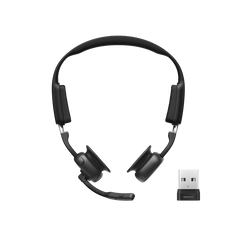
Over-ear headphones are usually the toughest combination for glasses wearers. The padded cups need a tight seal against your head to isolate sound properly, and that seal has to press directly over your glasses arms to do it. Even well-padded cups tend to create a noticeable pressure point after extended wear.
In-ear earbuds avoid clamping pressure but can still feel crowded, since the earbud body and your glasses arm are both trying to sit near the same spot at the top of your ear.
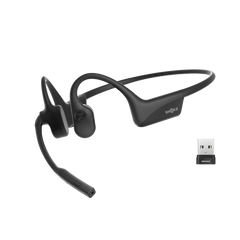
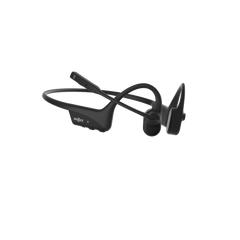
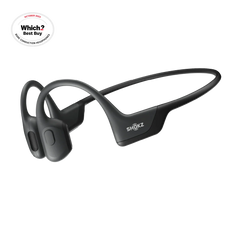
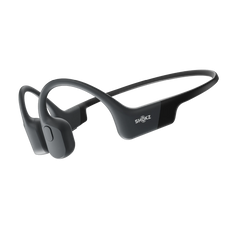
Ear hook, clip-on, and bone conduction designs all take a similar approach in a broader sense: none of them relies on squeezing your head or stacking bulk directly where your glasses already sit, which is why glasses wearers tend to report a noticeably easier experience with these styles.
What to Consider When Choosing Headphones as a Glasses Wearer
None of the factors rules any single design in or out completely, but they do make it much easier to predict which style is likely to work for you. So, there are a few practical things that are worth thinking through before you buy, regardless of which design you're leaning towards:
- How thick your glasses arms are, since chunkier frames need more clearance than slim, lightweight ones.
- Whether you wear glasses all day or only sometimes, which affects how much comfort trade-off is worth accepting.
- Your typical activities, since sports glasses paired with workouts add movement into the mix on top of everyday pressure.
- How the headphones are removed and put back on, since fiddly designs are more likely to knock your glasses out of place.
- Whether the fit is adjustable, since a design that lets you fine-tune positioning is easier to get comfortable around glasses arms.
Where Ear Hook and Open-Ear Designs Have the Advantage
For a lot of glasses wearers, ear hook and open-ear earbuds end up being the most comfortable long-term option. It comes down to how they're built rather than any single standout feature.
Because ear hook earbuds route around your ear rather than clamping onto it, they naturally leave more room for a glasses arm to sit underneath without either one fighting for space. There's no seal to maintain and no padded cup pressing down, so the pressure that builds up with over-ear headphones simply isn't part of the equation.
In a broader sense, open-ear designs also mean nothing is pushed into your ear canal. So even if your glasses arm and earbud do briefly overlap near the top of the ear, there's no discomfort building up inside the canal itself. For anyone who wears glasses for most of the day, whether for reading, screens, or general vision correction, this combination tends to make a noticeable difference by the afternoon compared to more traditional designs.
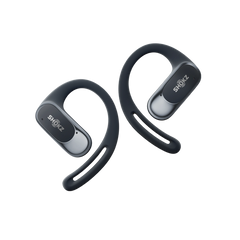
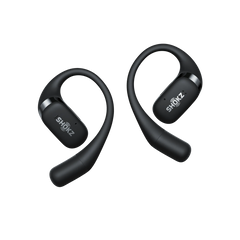
Shokz OpenFit Pro and OpenFit 2+ – Best Earbuds for Glasses Wearers
If you're after earbuds with glasses compatibility built in from the start, Shokz's OpenFit range is designed around exactly this kind of open-ear, ear hook approach.
OpenFit Pro uses Shokz Ultra-Soft Silicone™ 2.0 alongside nickel-titanium ear hooks for a secure, low-pressure fit that routes around the ear rather than clamping onto it. This leaves genuine room for glasses arms to sit comfortably underneath. Paired with Shokz SuperBoost™ and Dolby Atmos for detailed, immersive sound quality and up to 50 hours of total playback, it's built for all-day wear without the ache that over-ear designs can bring on.


OpenFit 2+ takes a similar approach with golden curve ear hooks shaped to fit snugly without wobbling, shifting, or pressing where your glasses already sit. With Shokz DualBoost and Dolby Audio for rich, detailed sound and up to 48 hours of combined playback with the charging case, it's a strong everyday choice whether you're wearing prescription glasses at your desk or sports glasses out on a run.
Both models avoid the clamping pressure of over-ear cups and the crowding that in-ear earbuds can create. And that's exactly why they tend to work well for glasses wearers looking for a more comfortable, secure fit.
Making Glasses and Headphones Work
There's no single style of headphone that works perfectly for every glasses wearer, but ear hook and open-ear designs consistently come out ahead when comfort and long-term wear are the priority. If pressure, crowding, or an aching afternoon has been putting you off wearing headphones with your glasses, it might just be the design that's been working against you rather than glasses themselves.
Curious whether OpenFit Pro or OpenFit 2+ is the better fit for you? Explore the full open-ear range or check out some more buying guides.
Frequently Asked Questions About Headphones for Glasses Wearers
What are the best headphones for glasses wearers?
Ear hook and open-ear earbuds tend to be the most comfortable option, since they route around the ear rather than clamping onto it or competing for space with a glasses arm the way over-ear headphones and some in-ear designs can.
Why do over-ear headphones hurt when wearing glasses?
Over-ear cups need a tight seal against your head to isolate sound, and that seal presses directly over your glasses arms, creating a pressure point on your temples that tends to worsen the longer you wear them.
Are ear hook earbuds good for glasses wearers?
Ear hook earbuds for glasses are generally good, yes. Ear hook designs sit around the ear rather than on top of it, which naturally leaves more room for a glasses arm to fit underneath without the crowding or pressure that other designs can create.
Can I wear earbuds comfortably with sports glasses while running?
Ear hook or clip-on earbuds tend to work best here, since they don't rely on a sealed in-ear fit that can be disrupted by the movement of running. They also leave enough space for sports glasses arms without added pressure.