






Trail Running
Jisub Kim
The one who endures the most.

Get to know Jisub
- Nationality
- Republic of Korea
- Discipline
- Trail Running
- Hometown
- Gangwon State
- Date of Birth
- 13 July, 1988
- With Shokz since
- 2024

Biography
Jisub Kim is a trail runner who maintains his rhythm across long distances and unpredictable terrain. His approach to running—staying aware of his surroundings while keeping a steady pace—naturally aligns with the Open-Ear concept of Shokz.
Key Highlights
- 2026 Hong Kong 100 — 33km 6th Place
- 2024 The North Face 100 Thailand — 50km Champion
- 2024 Malaysia Ultra Trail by UTMB® — 25km Champion

Hear It From Them


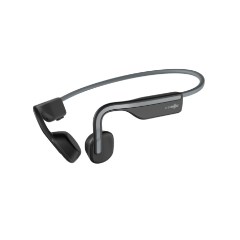
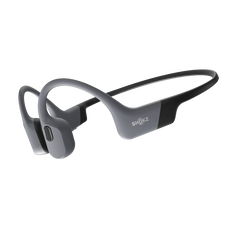
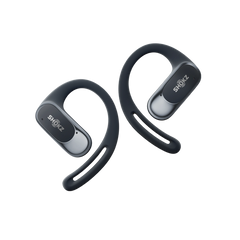
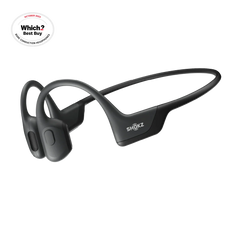
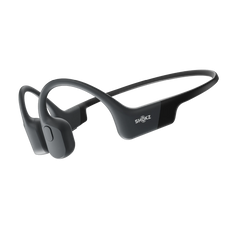
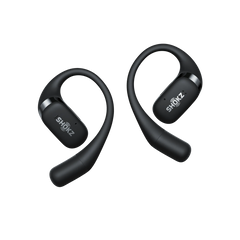
- DualPitch for superior sound
- Open-ear design for personal safety
- Secure fit for worry-free listening
- 12 hours of playtime for prolonged listening


Related Stories
See all stories


All Athletes

Eilish McColgan
 United Kingdom

Hellen Obiri
 Kenya
Kenya

Dakotah Popehn
 USA
USA

Conner Mantz
USA

Andy Buchanan
 Australia

Tom Evans
United Kingdom

Mathieu Blanchard
 France

Blandine L’Hirondel
France

Arthur Joyeux-Bouillon
France

Marianne Hogan
 Canada

Sara Alonso
 Spain
Spain

Andreu Simon
Spain

Lucy Batholomew
Australia

Caitlin Fielder
 New Zealand

Hannes Namberger
 Germany

Shen Jiasheng
 China
China

Ruy Ueda
 Japan
Japan

Yoshizumi Yuri
Japan

Jisub Kim
 South Korea

Jan Frodeno
Germany

Laura Philipp
Germany

Nicole van der Kaay
New Zealand

Wang Jiachao
China

Clément Secchi
France

James Kelly
Australia


